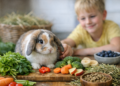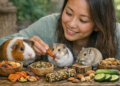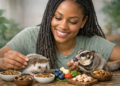

Best Treats for Guinea Pigs and Hamsters: Safe Fruit and Vegetable Chews
Choosing the right treats for your guinea pigs and hamsters is important for their health and happiness. Dried fruits and fresh veggies can be tasty and nutritious, but it’s essential to know which ones are safe. This article will help pet parents find the best treats for their furry friends.
Why This Topic Matters for Pet Parents
Guinea pigs and hamsters have unique dietary needs. Understanding which treats are safe can:
- Enhance your pet’s health.
- Prevent digestive issues.
- Encourage natural foraging behavior.
With the right treats, you can create a balanced diet that keeps your pets happy and healthy.
Key Insights
- Fresh fruits and vegetables provide essential vitamins.
- Too many treats can lead to obesity.
- Some fruits and vegetables can be harmful.
- Introduce new treats gradually.
- Observe your pet for any adverse reactions.
Expert Tips
Veterinarians recommend the following when treating your guinea pigs and hamsters:
- Limit Sugary Treats: Stick to low-sugar fruits like berries.
- Select Safe Vegetables: Introduce safe and fresh options like bell peppers and leafy greens.
- Fresh is Best: Always pick fresh treats over processed ones.
- Monitor Portion Sizes: Treats should be only a small part of their diet.
- Hydration: Always provide fresh water alongside treats.
Best Products or Treat Types
Here are some of the best types of treats for guinea pigs and hamsters:
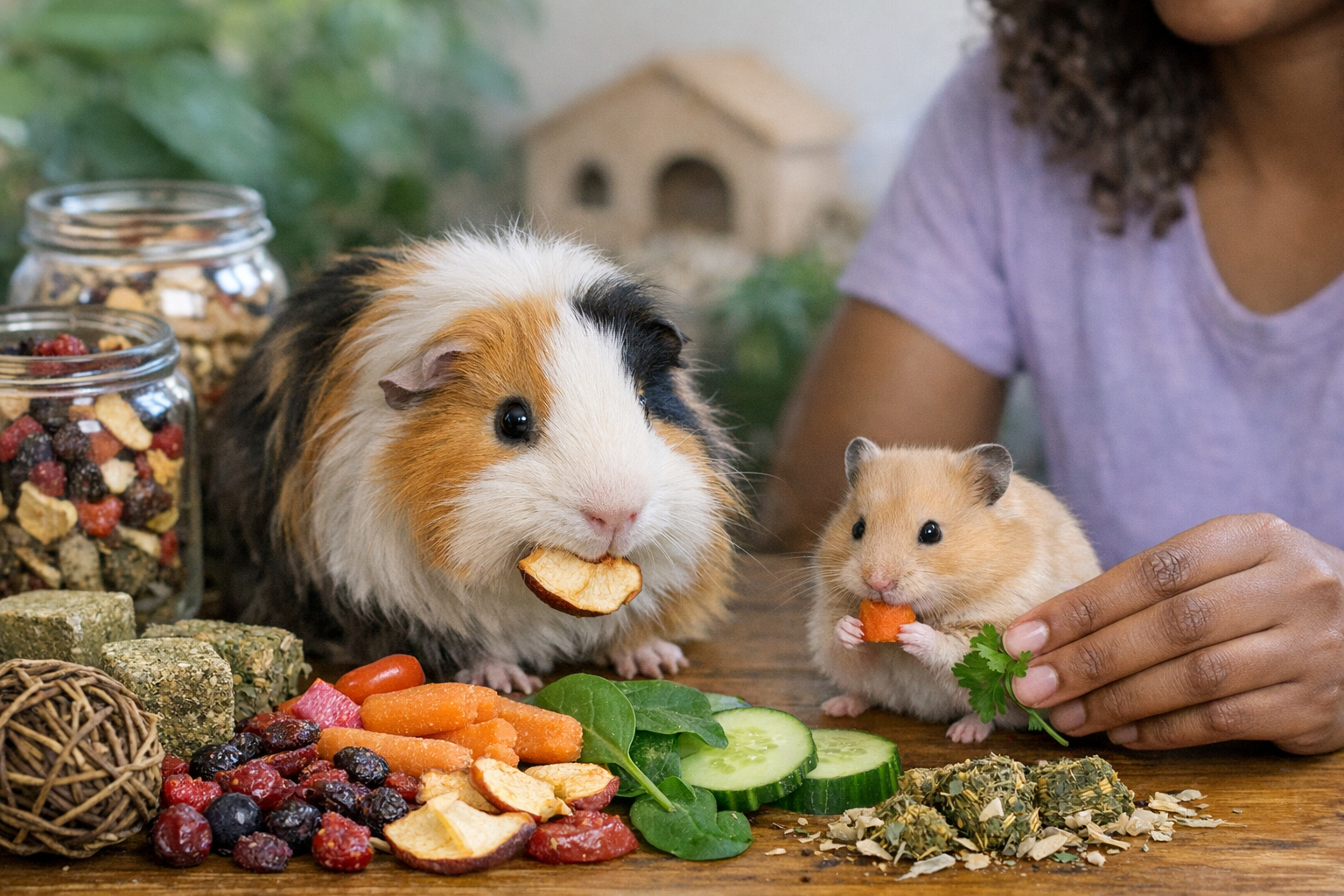
- Dried Fruits: Look for dried apples, blueberries, and cranberries. Make sure they have no added sugars or preservatives.
- Fresh Vegetables: Carrots, cucumber, and leafy greens like spinach can be great options.
- Treats that combine hay with fruit or vegetables help with digestion.
- Herb Treats: Natural herbs like basil, parsley, and thyme are safe and nutritious.
- Commercial Chews: Special chew sticks or toys that include fruits and vegetables can provide entertainment while being healthy.
Common Mistakes to Avoid
- Giving too many treats: Stick to a small amount to prevent obesity and health issues.
- Feeding unsafe foods: Avoid high-fat, high-sugar, or potentially toxic items like avocados and onions.
- Not washing fresh produce: Always wash fruits and veggies to remove pesticides or contaminants.
- Ignoring signs of allergies: If your pet shows signs like diarrhea or itching, stop giving that treat immediately.
- Assuming all pet food is safe: Check the ingredient list, even for treats labeled for small animals.
FAQs
1. Can I give my guinea pig or hamster human food?
Some human foods are safe, but always research to ensure they don’t pose any risk. Stick mainly to fruits and vegetables.
2. How often can I give treats?
Treats should make up only about 10% of your pet’s daily diet. A small piece a few times a week is usually safe.
3. What fruits should I avoid?
Avoid citrus fruits, avocados, and any fruit with pits, as these can be harmful.
4. What’s the best way to store treats?
Store dried treats in an airtight container in a cool, dry place. Fresh produce should be kept in the refrigerator.
5. How do I know if my pet likes a new treat?
Introduce one new treat at a time and observe if your pet enjoys it and doesn’t show any adverse reactions.
Conclusion
Choosing the best treats for your guinea pigs and hamsters is essential for their health and well-being. Focus on safe options like fresh fruits, veggies, and specially designed chews. Remember to introduce new treats gradually and monitor your pets for any negative reactions. By selecting the right treats, you can keep your furry friends happy, healthy, and engaged.