
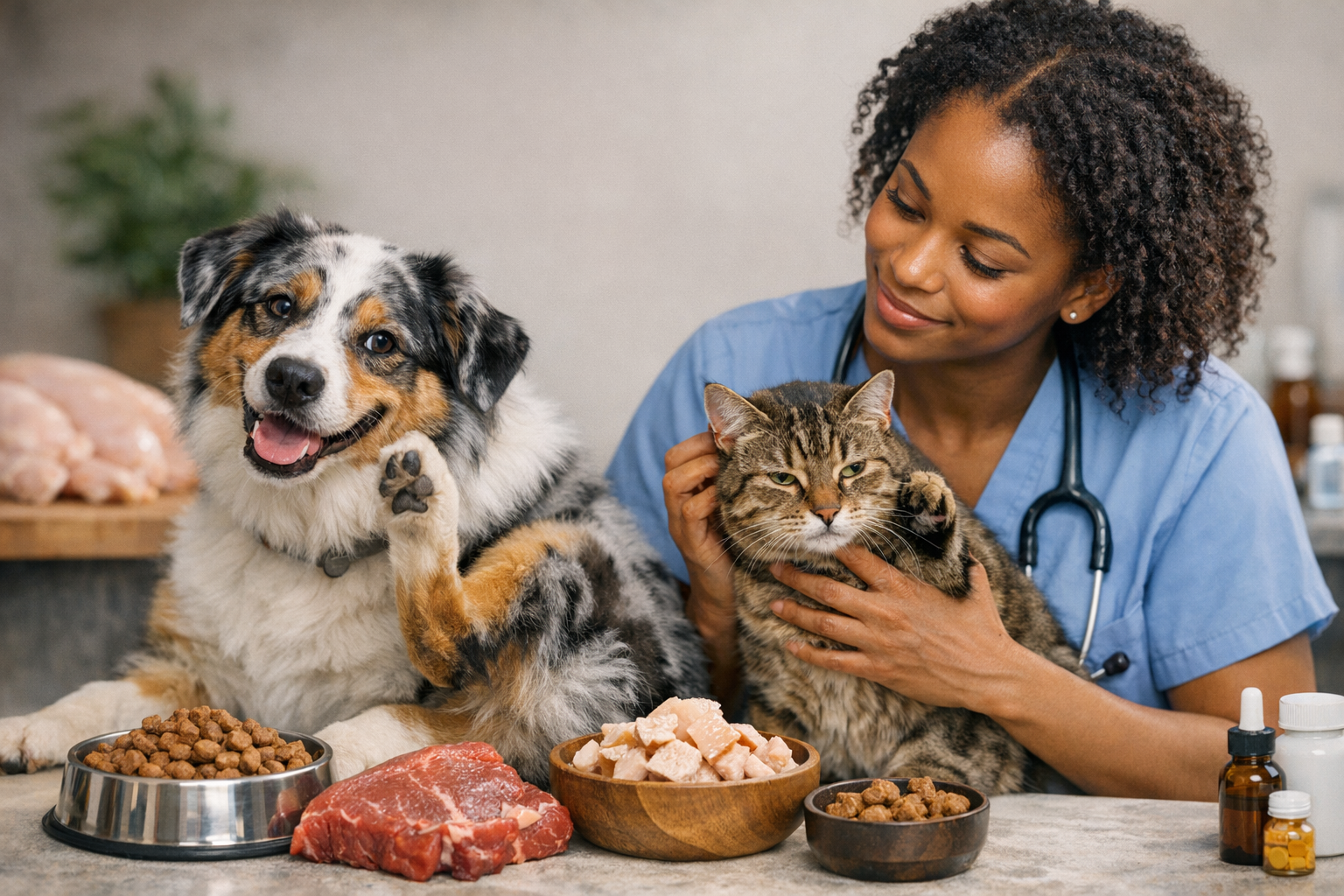
Recognizing Food Intolerances vs. True Allergies in Pets
Understanding the difference between food intolerances and true allergies in pets is essential for keeping them healthy. Misidentifying one for the other can lead to inappropriate treatment and prolonged discomfort. This guide will help pet parents recognize signs and choose the right dietary solutions.
Why This Topic Matters for Pet Parents
Food intolerances and allergies can cause significant discomfort for pets. Knowing the difference helps in providing the right care. This understanding is crucial for:
- Preventing unnecessary suffering.
- Choosing effective treatments.
- Improving overall pet health and wellbeing.
Key Insights
Here are some important points about food intolerances and true allergies:
- Food Intolerance: A digestive system issue that occurs when pets can’t properly digest specific foods.
- True Allergies: An immune response to certain proteins, causing skin or systemic reactions.
- Symptoms Vary: Intolerance usually results in gastrointestinal issues, while allergies can lead to skin problems or respiratory issues.
- Common Triggers: Common food items causing problems include beef, dairy, wheat, and chicken.
Expert Tips
Here are some veterinarian-style recommendations to help manage food intolerances and allergies:
- Introduce New Foods Gradually: Change your pet’s diet slowly to monitor reactions.
- Keep a Food Diary: Track what your pet eats and any symptoms to spot patterns.
- Try Elimination Diets: Remove suspected allergens from the diet for a few weeks and reintroduce them one by one.
- Consult Your Veterinarian: Always seek professional advice for diagnosis and treatment.
Best Products or Treat Types
When selecting food or treats for pets with food sensitivities, consider these options:
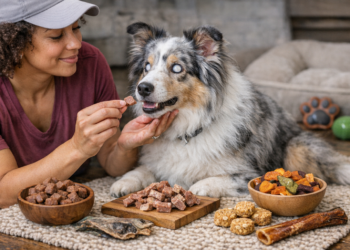
- Single-Protein Treats: Choose treats made from a single protein source to minimize exposure to allergens.
- Grain-Free Options: Opt for products without grains if your pet is sensitive to wheat or corn.
- Limited Ingredient Diets: Select foods containing fewer ingredients to simplify your pet’s nutrition.
- Hypoallergenic Formulas: Look for specially formulated foods designed for pets with allergies.
Common Mistakes to Avoid
Here are several mistakes pet parents often make:
- Ignoring Symptoms: Dismissing signs like itching, vomiting, or diarrhea can lead to worsening conditions.
- Self-Diagnosing: Relying on internet sources rather than consulting a veterinarian can be harmful.
- Sudden Diet Changes: Changing food too quickly can upset their stomachs and exacerbate symptoms.
- Overlooking Treats: Treats can also cause reactions; ensure they are safe and suitable.
FAQs
Here are some frequently asked questions about food intolerances and allergies in pets:
- What are common signs of food intolerances in pets? Symptoms may include gas, bloating, diarrhea, and vomiting.
- How can I differentiate between a food intolerance and an allergy? Food intolerances generally cause digestive issues, while allergies lead to skin reactions or respiratory problems.
- Can pets outgrow food allergies? Some pets may outgrow certain allergies, but many allergies are lifelong and require ongoing management.
- Is there a specific diet I should follow for my allergic pet? A veterinarian can recommend a tailored diet based on the specific allergies of your pet.
- How long does it take to see improvement after changing the diet? It may take several weeks to see improvements after eliminating a food allergy from your pet’s diet.
Conclusion
Understanding the distinction between food intolerances and true allergies in pets is crucial for their health and happiness. By recognizing symptoms, consulting a veterinarian, and choosing appropriate diets, pet parents can ensure their furry friends live comfortably and thrive. Make sure to watch for any signs of discomfort and seek help if needed to keep your pet in their best shape.