

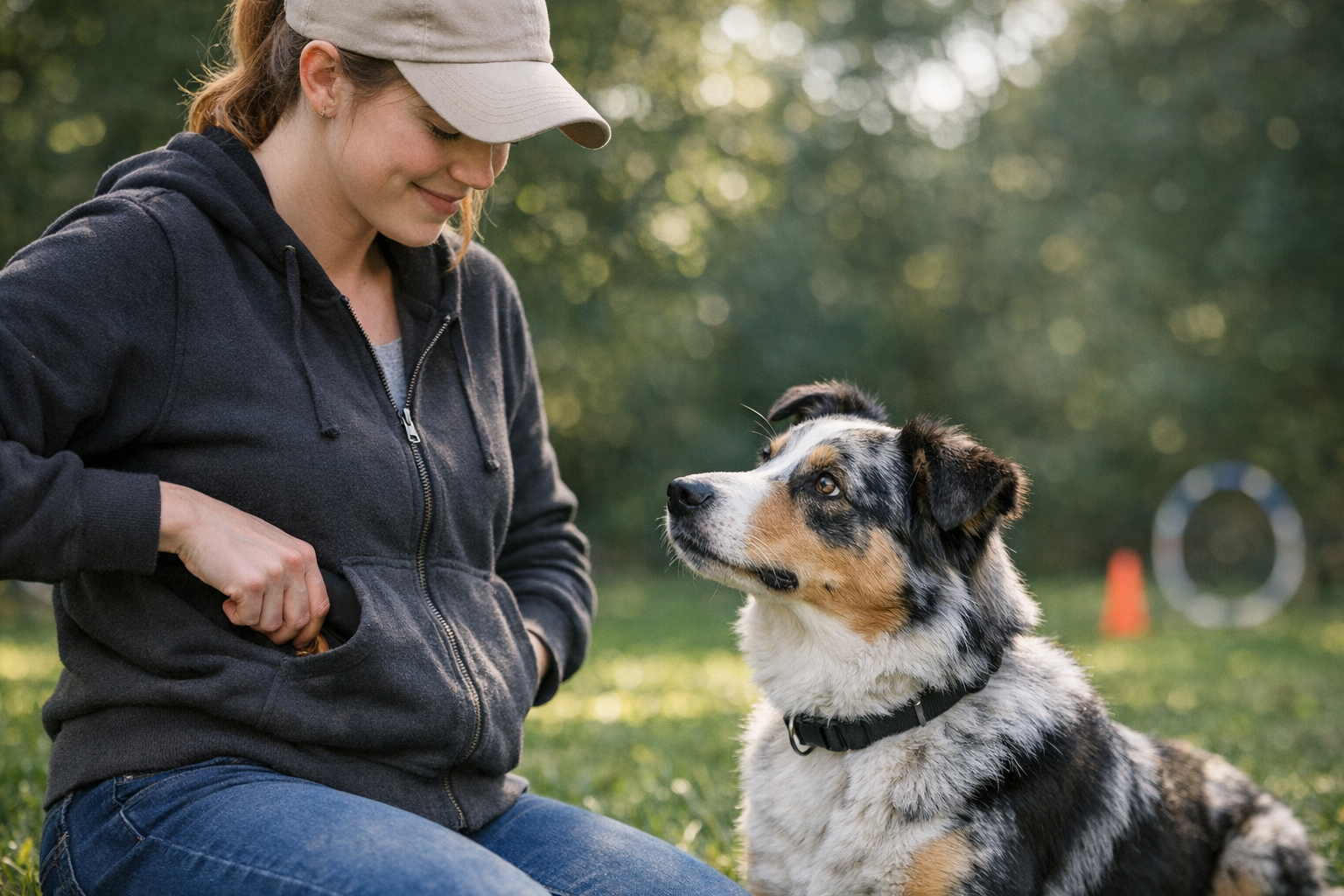
Mastering the Art of the ‘Invisible’ Treat Pocket (For Discreet Training)
Training your pet can be a fun and rewarding experience. One effective method is using an ‘invisible’ treat pocket to reward your pet discreetly. This technique keeps your training sessions smooth and helps your pet learn without distractions.
Why This Topic Matters for Pet Parents
Understanding the ‘invisible’ treat pocket is essential for pet parents who want effective training. It helps you:
- Reinforce good behavior without drawing attention to the treats.
- Maintain focus during training sessions.
- Reduce the chances of your pet begging or becoming overly excited about treats.
Key Insights
Here are some key insights to help you master the ‘invisible’ treat pocket:
- Use high-value treats that your pet loves.
- Practice your training sessions in a quiet environment.
- Gradually increase distractions as your pet learns.
- Keep movements slow and deliberate when reaching for treats.
- Make sure your pet understands the command before rewarding.
Expert Tips
Veterinarians and pet trainers provide valuable insights into making training effective:
- Start Early: Begin training your pet as early as possible. Puppies and kittens are especially eager to learn.
- Be Consistent: Use the same commands and rewards to prevent confusion.
- Emotional Connection: Train in a calm and positive environment to strengthen your bond with your pet.
- Short Sessions: Keep training sessions short (5-10 minutes) to maintain your pet’s attention.
- Monitor Health: Check that treats are healthy and appropriate for your pet’s age and size.
Best Products or Treat Types
Choosing the right products or treat types can enhance your training experience:
- Soft, Chewy Treats: Easy to grab and quickly consumed.
- Small, Low-Calorie Treats: Perfect for frequent rewarding without overfeeding.
- Treats with Strong Scents: Highly appealing and can grab your pet’s attention.
- Freeze-Dried Options: Lightweight and can easily fit in your pocket.
- Homemade Treats: Control the ingredients and tailor them to your pet’s preferences.
Common Mistakes to Avoid
To make the most of your training sessions while using the ‘invisible’ treat pocket, steer clear of these common mistakes:
- Overusing Treats: Too many treats can lead to weight gain and health issues.
- Inconsistency in Commands: Changing commands can confuse your pet and derail training.
- Distracting Surroundings: Training in noisy or busy areas can hinder focus and learning.
- Not Rewarding Timing: Delay in rewarding a good behavior can confuse your pet on what they did right.
- Ignoring Health Restrictions: Always consider your pet’s dietary needs and allergies when selecting treats.
FAQs
- What is an ‘invisible’ treat pocket?
An ‘invisible’ treat pocket refers to the discreet way of rewarding your pet with treats while keeping the focus on training rather than the treat itself. - How can I prevent my pet from begging for treats during training?
Use high-value treats sparingly for rewards and never give treats outside of training sessions. - Can I use fruits or vegetables as treats?
Yes! Many pets enjoy small pieces of fruits or vegetables, but ensure they are safe and suitable for your specific pet. - How often should I train my pet?
Short, daily sessions are most effective. Aim for 5-10 minutes a day instead of longer, less frequent sessions. - Are there treats I should avoid?
Avoid treats that are high in sugar, artificial flavors, and those that contain allergens for your pet.
Conclusion
Mastering the art of the ‘invisible’ treat pocket can transform your pet training experience. With the right techniques, insights, and products, you can create a focused and effective training environment. Remember to keep sessions positive and tailored to your pet’s needs. Happy training!