

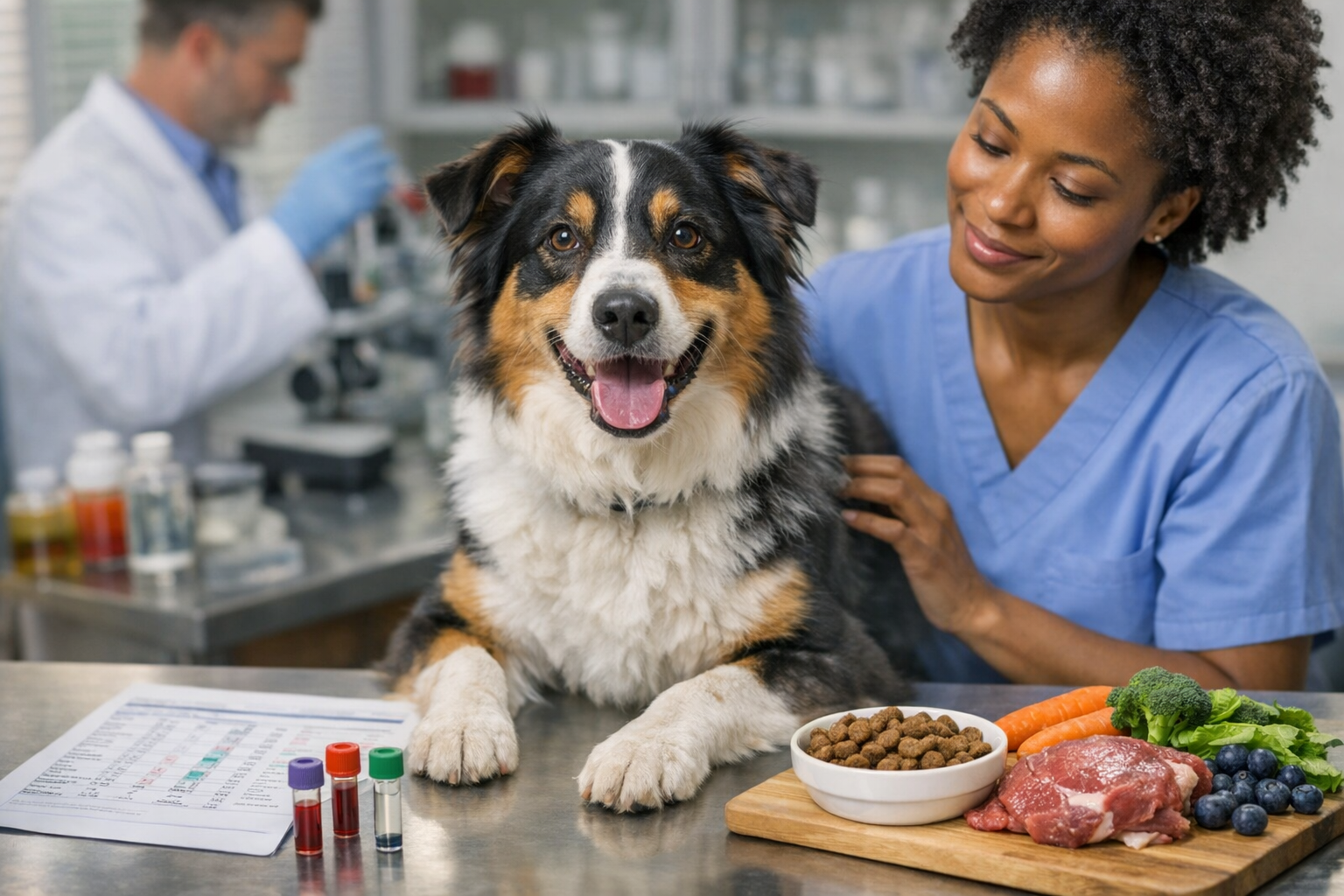
Understanding Your Dog’s Blood Work: How Diet and Treats Can Influence Results
Understanding your dog’s blood work is important for keeping them healthy. The food and treats you feed your furry friend can play a big role in their blood test results. This article will help you learn about those influences and what you can do as a pet owner to keep your dog healthy.
Why This Topic Matters for Pet Parents
As a pet parent, you want the best for your dog. Blood work is a vital tool that veterinarians use to assess your dog’s health. Understanding how diet and treats can impact these results helps you make informed decisions about your dog’s nutrition.
Key Insights
- Blood Work Basics: Blood tests can check organ function, hormone levels, and detect illness.
- Diet’s Role: What you feed your dog can directly influence results, showing nutrients or toxins in their system.
- Common Tests: CBC (Complete Blood Count), chemistry panels, and wellness screenings are common types of blood tests for dogs.
- Timing Matters: Fasting before tests can ensure more accurate results, especially for nutrient levels.
- Monitoring Changes: Regular blood work helps detect health issues early before they become serious problems.
Expert Tips
Here are some veterinarian-style recommendations to help you understand your dog’s blood work better:
- Consult Your Vet: Always discuss blood work results with your vet to understand what they mean.
- Keep a Food Diary: Record everything your dog eats. This can help identify any dietary influences on test results.
- Quality Matters: Choose high-quality dog food free from fillers and artificial ingredients.
- Rotate Diets: If your dog’s health permits, consider rotating proteins and food types for balanced nutrition.
- Monitor Caloric Intake: Overfeeding can lead to obesity, affecting blood work results. Ensure you follow the recommended feeding guidelines.
Best Products or Treat Types
Choosing the right diet and treats can benefit your dog’s overall health and ensure accurate blood work results. Here are some excellent options:
- High-Quality Kibble: Look for brands that list real meat as the first ingredient.
- Grain-Free Options: If your dog is sensitive to grains, consider grain-free formulations.
- Natural Raw Diet: A raw diet can provide essential nutrients, but consult your vet for the right balance.
- Limited Ingredient Treats: Good for dogs with allergies, these treats contain fewer fillers.
- Healthy Fruits and Vegetables: Carrots, blueberries, and apples can make great healthy snacks.
Common Mistakes to Avoid
Here are some common pitfalls pet owners make that can harm their dog’s health and potentially affect blood work results:
- Ignoring Ingredients: Don’t overlook what’s in your dog’s diet. Low-quality ingredients can affect health.
- Skipping Regular Check-Ups: Regular vet visits for blood work are crucial for early health detection.
- Overtreating: Too many treats can lead to obesity and skew blood test results.
- Poor Timing for Tests: Avoid feeding your dog before blood tests unless directed by a veterinarian.
- Neglecting Changes: Pay attention to changes in your dog’s eating habits and health. This can be vital for interpreting test results.
FAQs
- What do vet blood tests typically check for? Blood tests can evaluate organ function, detect infections, and assess overall health.
- How often should my dog have blood work done? It depends on age and health but generally once a year for healthy dogs and more frequently for those with health issues.
- Can a poor diet immediately affect blood work? Yes, feeding your dog an unhealthy diet can lead to unhealthy blood work results.
- What are signs my dog might need blood work? Symptoms like increased thirst, lethargy, or sudden changes in appetite can signal the need for a check-up.
- Are there specific treats that can improve blood work results? Treats that contain high-quality meats and are low in fillers can support overall health.
Conclusion
Understanding your dog’s blood work and the effects of diet and treats is essential for their overall health. By choosing the right foods and monitoring your dog’s nutrition, you can help ensure accurate test results and a healthier life for your furry friend. Regular check-ups with your veterinarian are important to catch any health issues early. By following these guidelines, you can be a responsible and informed pet parent.