

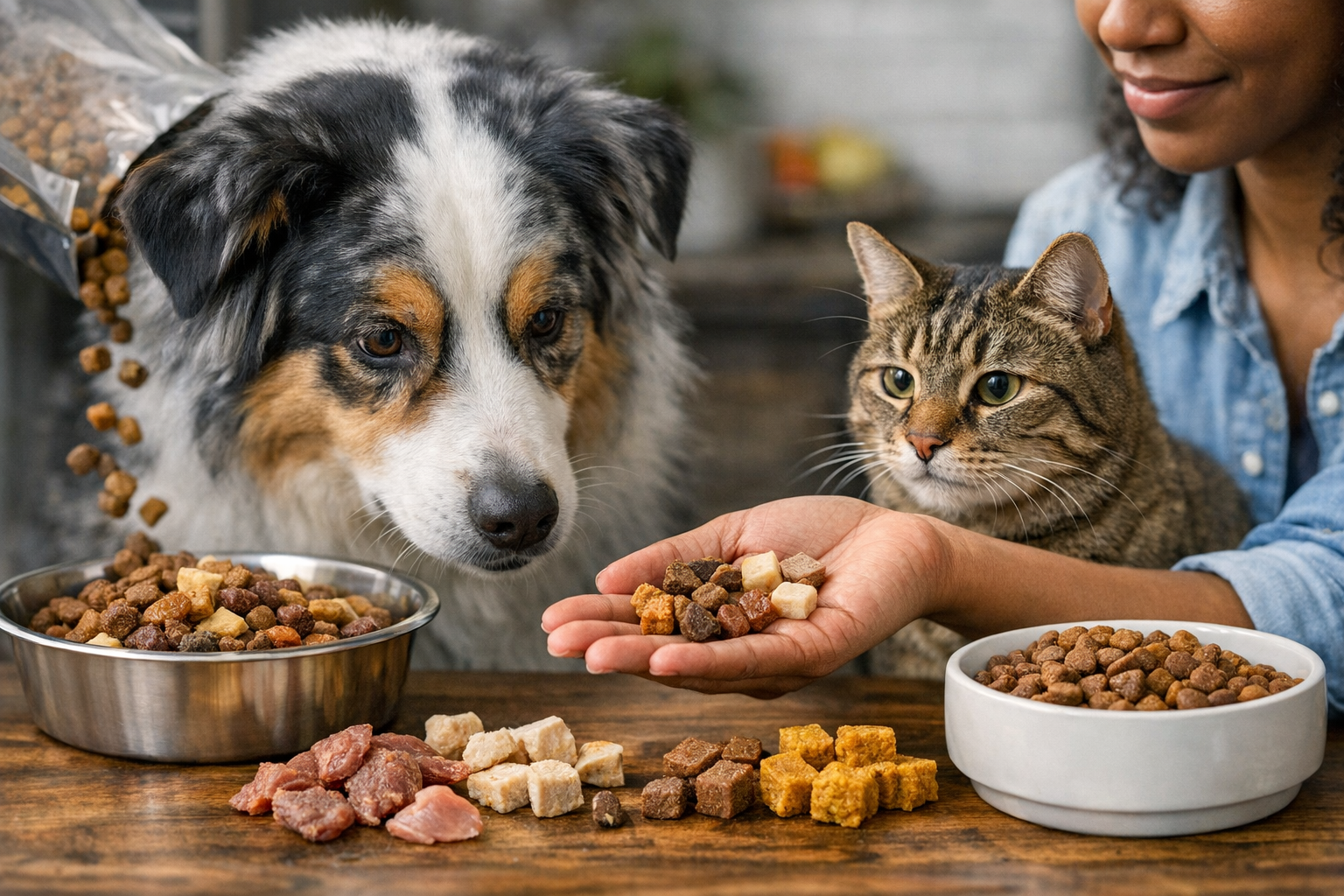
How to Transition Your Pet to a New Diet (Using High-Value Treats)
Transitioning your pet to a new diet can be a smooth process when done correctly. High-value treats can help your furry friend adjust to their new food while keeping them excited about mealtime. In this article, we’ll explore why this topic matters, key insights to consider, expert tips, the best types of treats, common mistakes, and frequently asked questions.
Why This Topic Matters for Pet Parents
Changing your pet’s diet is important for many reasons. Whether due to health needs, preferences, or dietary improvements, knowing how to transition properly can prevent digestive distress and ensure your pet stays happy. A smooth transition can:
- Lower the risk of upset stomach and diarrhea.
- Make your pet more receptive to eating healthy food.
- Enhance overall health and well-being.
Key Insights
- Gradual transitions are key; sudden changes can upset stomachs.
- Use high-value treats during the transition to motivate your pet.
- Observe your pet for any signs of allergies or intolerance.
- Consult your veterinarian if unsure about dietary changes.
- Patience is essential; each pet is unique in their adjustment process.
Expert Tips
Here are some tips from veterinarians and pet nutrition experts to ensure a successful transition:
- Slow Introduction: Start by mixing a small amount of the new food with your pet’s current food. Gradually increase the new food ratio over 7-10 days.
- Monitor Health: Keep an eye on your pet’s stool and behavior. Any significant changes warrant a call to the vet.
- Encourage Eating: If your pet seems reluctant, offers high-value treats alongside the new food.
- Hydration Matters: Ensure your pet has access to fresh water throughout the transition.
- Positive Reinforcement: Reward your pet with affection or treats when they choose to eat the new food.
Best Products or Treat Types
When looking for treats to aid in the transition, consider these types:
- Soft, Chewy Treats: These are easy to eat and generally more appealing.
- High-Protein Treats: Options like freeze-dried meats can excite your pet’s taste buds.
- Flavor-Enhanced Kibble: Some brands infuse kibble with flavors that attract pets more than standard dry food.
- Homemade Treats: Simple recipes using peanut butter or pumpkin can be nutritious and tasty.
- Functional Treats: Choose treats that offer health benefits, like dental chews or those rich in omega fatty acids.
Common Mistakes to Avoid
Transitioning your pet’s diet is tricky. Here are mistakes to watch out for:
- Fast Changes: Avoid switching food types abruptly.
- Ignoring Allergies: Always check for ingredients that might cause an allergic reaction.
- Forgetting the Treats: Failing to reward with high-value treats can discourage your pet from trying the new food.
- Neglecting the Vet: Skipping vet consultations can lead to unsuitable choices for your pet’s health.
- Overwhelming Amounts: Providing too much new food too quickly can lead to gastrointestinal problems.
FAQs
Q1: How long should the transition take?
A1: Ideally, the transition should take 7 to 10 days, gradually increasing the new food each day while decreasing the old food.
Q2: What if my pet refuses the new food?
A2: Try mixing in high-value treats with the new food or using them as a reward to encourage eating.
Q3: Can I switch my pet’s food if they have allergies?
A3: Yes, but consult your veterinarian first to choose an appropriate diet that won’t trigger allergies.
Q4: What signs should I look for during the transition?
A4: Look for changes in behavior, appetite, stool consistency, or signs of distress.
Q5: Are there any specific ingredients I should avoid?
A5: Yes, common allergens include wheat, soy, corn, and artificial additives. Always choose natural ingredients.
Conclusion
Transitioning your pet to a new diet can be simple and effective with the right approach. By gradually introducing the new food and using high-value treats, you can make the process enjoyable for your pet. Always pay attention to their reactions and consult with your veterinarian if you have any concerns. Remember, a healthy diet is a key to your pet’s overall happiness and well-being!