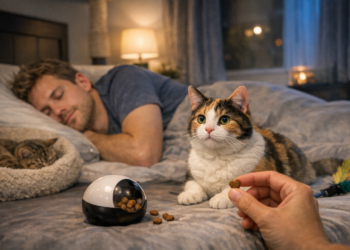


The ‘Find Your Bed’ Game: Training a Reliable Mat Stay
Teaching your pet to go to their mat and stay there is an important training exercise that enhances behavior and strengthens the bond between you and your furry friend. This article will walk you through the reasons why this training is beneficial, key insights to make it effective, expert tips, and common mistakes to avoid.
Why This Topic Matters for Pet Parents
The ‘Find Your Bed’ game is more than just a fun activity; it teaches your pet self-control and gives them a safe space. Here’s why it matters:
- It helps manage your pet’s behavior in busy situations.
- It creates a designated spot for your pet, promoting a sense of security.
- It improves your pet’s focus and listening skills.
Key Insights
Understanding the basics of the ‘Find Your Bed’ game will make training easier and more effective. Here are some key insights:
- Start with a comfortable mat or bed that your pet likes.
- The mat should be placed in a calm, distraction-free area at first.
- Use positive reinforcement, like treats or praise, to reward your pet for staying on the mat.
- Keep training sessions short and fun; aim for around 5-10 minutes.
- Gradually increase the distance and duration of the stay command.
Expert Tips
Veterinarian-approved tips can ensure your training sessions are successful. Consider the following recommendations:
- Choose a mat that is easy to clean for hygiene reasons.
- Make the mat appealing by adding cozy blankets or your pet’s favorite toys.
- Practice in different rooms and gradually introduce distractions.
- Be patient and consistent; all pets learn at their own pace.
- Monitor your pet’s stress levels and take breaks if they seem overwhelmed.
Best Products or Treat Types
When selecting treats or products to use in training, consider these options that pet owners often find helpful:
- Soft, small treats that are easy to chew.
- Training rewards that have strong aromas to grab your pet’s attention.
- Durable mats made from non-toxic materials for safety.
- Clickers or other training tools to mark desired behaviors.
Common Mistakes to Avoid
Training can be tricky, and avoiding these common pitfalls can save you time and frustration:
- Starting out in a chaotic environment; always begin in a quiet space.
- Using punishment instead of positive reinforcement, which can harm your bond.
- Expecting too much too soon; allow your pet time to learn at their own speed.
- Not practicing regularly; consistency is key for retention.
FAQs
Here are answers to some common questions about the ‘Find Your Bed’ game:
1. How do I introduce the mat to my pet?
Start by placing the mat in a quiet area. Encourage your pet to explore it and reward them when they show interest.
2. What if my pet won’t go to the mat?
Try using treats to lure them onto the mat. If they still resist, ensure the mat is appealing and try again later.
3. How long should I practice each session?
Keep training sessions to about 5-10 minutes to maintain your pet’s attention and enthusiasm.
4. Can I train my older pet with this method?
Absolutely! Pets of all ages can learn. Just be patient and adjust the training pace to their needs.
5. What should I do if my pet gets up from the mat?
Gently guide them back with a command such as “stay,” and reward them when they comply. Patience is vital.
6. How often should I practice the ‘Find Your Bed’ game?
Practice daily for the best results, but feel free to give breaks to prevent burnout.
Conclusion
Training your pet to master the ‘Find Your Bed’ game is a rewarding experience that not only improves behavior but also enhances your relationship. With patience, consistency, and the right approach, you can teach your furry companion a valuable skill they will use for years to come. Happy training!