

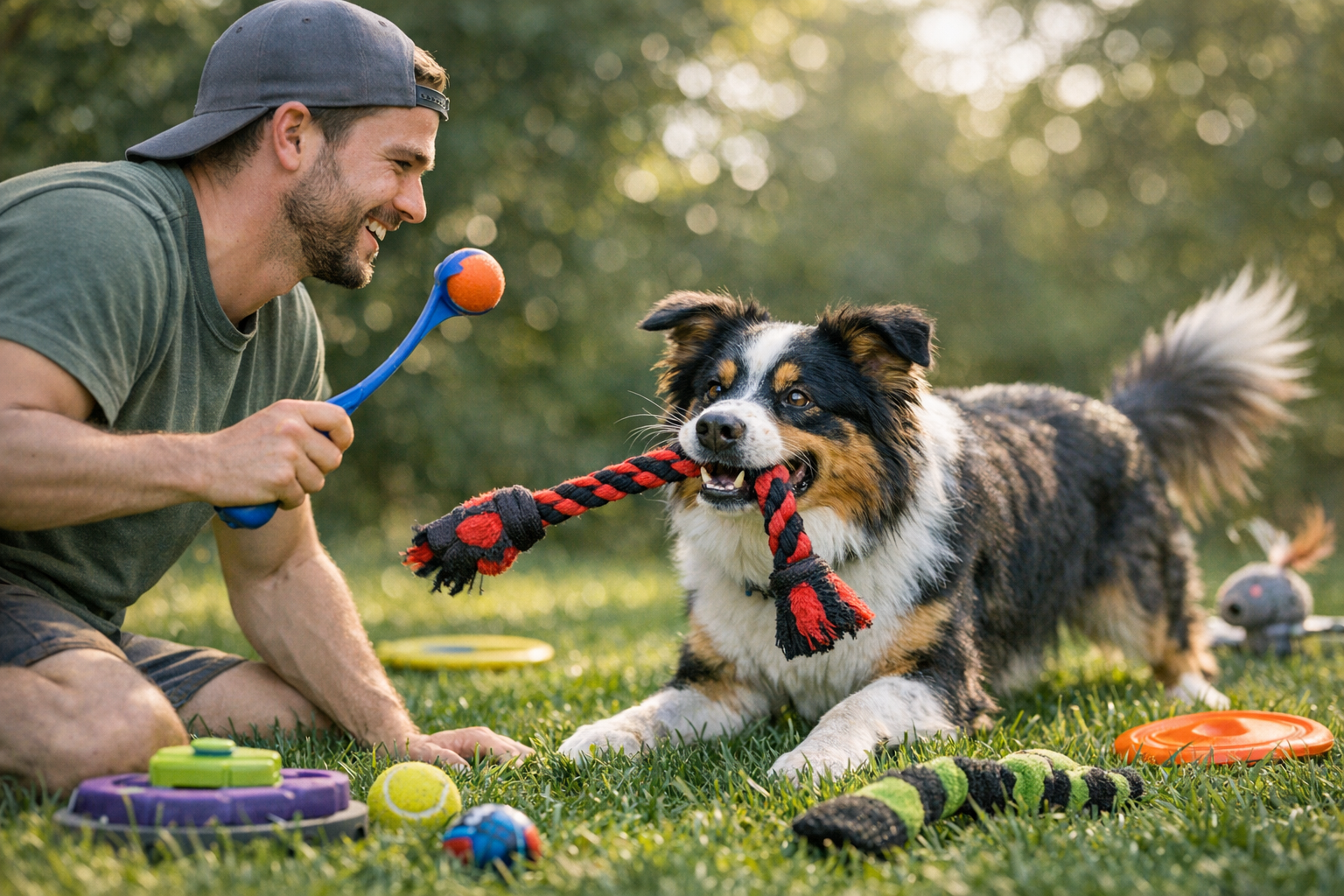
How to Use Toys Instead of Treats for Reward: The Play Break
Many pet parents rely heavily on treats to reward their pets, but using toys can be just as effective—and more interactive. This article will explore the benefits of incorporating toys into your pet’s training routine, share expert tips, and highlight common mistakes to avoid.
Why This Topic Matters for Pet Parents
Using toys as rewards instead of treats can enhance your pet’s training experience. It promotes healthy play, reduces calorie intake, and strengthens the bond between you and your pet. Understanding this technique can lead to happier, healthier pets who are eager to learn and play.
Key Insights
- Toys encourage physical activity, helping to keep your pet fit.
- Using toys can prevent weight gain associated with frequent treat consumption.
- Engaging your pet with toys can improve behavioral training and reduce anxiety.
- Variety in rewards can keep your pet more interested and motivated.
- Interactive play can strengthen the bond between you and your pet.
Expert Tips
Here are some veterinarian-style recommendations on using toys effectively:
1. **Choose the Right Toy:** Select toys that fit your pet’s size and play style. Interactive toys or puzzle toys can engage your pet’s mind and body.
2. **Incorporate Play into Training:** Use toys during training sessions. Reward your pet with a fun play session immediately after they follow a command.
3. **Mix Up the Toys:** Rotate different toys to keep your pet engaged. This variety can make the play more exciting and maintain their interest.
4. **Supervise Playtime:** Always watch your pet while they play with toys, to ensure they are safe and not chewing pieces that could pose a choking hazard.
5. **Be Consistent:** Just like with treats, establish a consistent reward system with toys. This helps your pet understand that good behavior leads to playtime.
Best Products or Treat Types
While we won’t list brands, here are some types of toys and products to consider:
– **Interactive Puzzle Toys:** Great for mental stimulation. They require pets to solve a problem to get a reward.
– **Fetch Toys:** Balls or flying discs that can be thrown for your pet to retrieve. This encourages exercise and burns energy.
– **Tug Toys:** Strong, sturdy toys for tug-of-war play. This strengthens your bond and encourages healthy play.
– **Chew Toys:** Durable rubber or nylon toys that satisfy your pet’s need to chew while being rewarding.
– **Laser Pointers or Motion-activated Toys:** These create excitement and encourage physical activity in playful pets.
Common Mistakes to Avoid
Here are a few common errors to watch for when using toys as rewards:
1. **Overstimulating Your Pet:** Make sure to balance excitement; too much stimulation can lead to overexcitement and anxiety.
2. **Neglecting Safety:** Always check toys for wear and tear. A broken toy can pose a choking hazard.
3. **Not Mixing it Up:** Using the same toy repeatedly can lead to boredom. Keep it fresh with a variety of toys.
4. **Inconsistent Use:** Be consistent with your rewards. Inconsistency can confuse your pet about when they should behave.
5. **Ignoring Your Pet’s Preferences:** Not all pets enjoy all toys. Pay attention to what your pet loves and tailor your toy choices to their preferences.
FAQs
- Can I use toys instead of treats for all types of training? Yes! Toys can be effective for most training types, especially for physical activities.
- What if my pet isn’t interested in toys? Try different types of toys or activities, as pets can have varied preferences.
- How do I transition my pet from treats to toys? Gradually integrate toys into your training routine while slowly reducing treats.
- How often should I use toys for rewards? Use toys as rewards frequently to keep your pet engaged and motivated during training sessions.
- Is it okay to use toys and treats together? Absolutely, using both can be highly effective; just ensure treats are given in moderation.
Conclusion
Using toys instead of treats for rewards can significantly benefit your pet’s training and overall happiness. It enhances engagement, promotes healthy habits, and strengthens the bond you share. By being mindful of your pet’s preferences and mixing up your approach, you can create a fun and rewarding training routine that both you and your pet will enjoy. Start incorporating toys today for a more playful and interactive experience!