
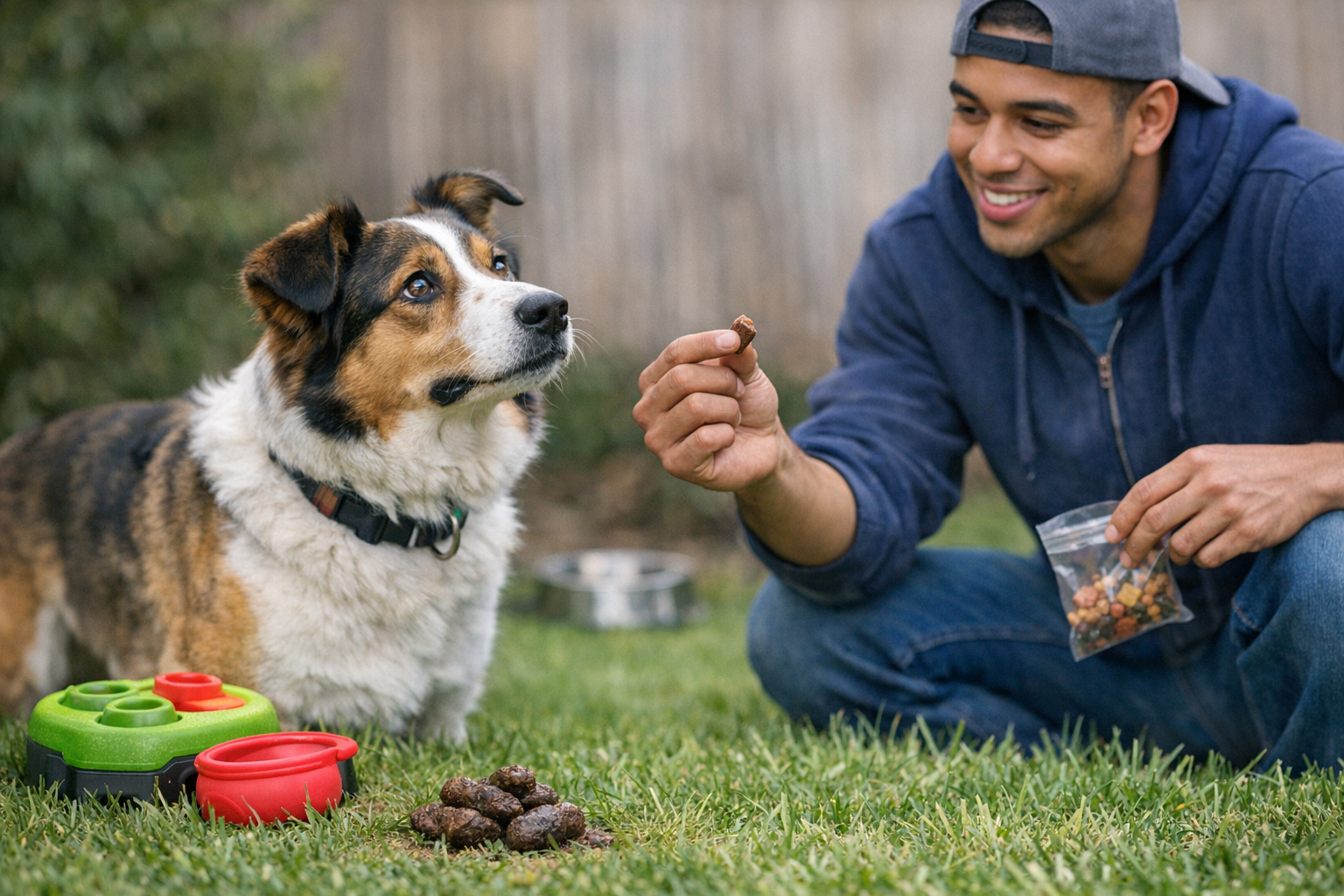
Using Treats to Teach a Dog to Stop Eating Feces (Coprophagia)
Coprophagia, or the habit of dogs eating feces, can be frustrating for pet owners. Using treats can be a safe and effective way to discourage this behavior. This guide offers insights, expert tips, and useful products to help you address this issue in a kind and supportive manner.
Why This Topic Matters for Pet Parents
Understanding why dogs eat feces is important for their health and your peace of mind. Coprophagia can be more than just a gross habit; it can lead to health concerns and behavioral issues. As responsible pet owners, it’s vital to find solutions that not only correct this behavior but also promote a healthy mindset.
Key Insights
- Coprophagia can stem from behavioral or health-related reasons.
- Using treats can help redirect your dog’s focus and encourage positive behaviors.
- Behavior modification takes time and patience; consistency is key.
- Some dogs may be more prone to this behavior, particularly those in stressful environments.
Expert Tips
Here are some veterinarian-style recommendations to help you use treats effectively:
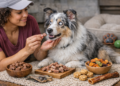
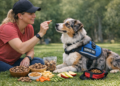
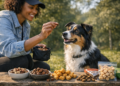
- Positive Reinforcement: Offer treats immediately when your dog ignores feces or responds to commands.
- Consistency: Always use the same commands and rewards. This helps your dog learn quickly.
- Timing: Be quick with your treats. This reinforces good behavior right away.
- Limit Access: Pick up feces promptly in your yard to reduce the urge to eat it.
- Exercise: Ensure your dog gets plenty of physical activity to reduce boredom and anxiety.
Best Products or Treat Types
When choosing treats, consider the following types that can help in training:
- High-Value Treats: Use soft, meat-based treats that your dog loves.
- Training Treats: Small, low-calorie treats that can be given frequently.
- Flavor-Enhanced Treats: Look for treats that contain tastes that discourage coprophagia, like bitter agents.
- Interactive Treats: Puzzle toys filled with treats can engage your dog’s mind and keep them distracted.
Common Mistakes to Avoid
Here are some common mistakes pet owners make when addressing coprophagia:
- Punishing the Dog: Punishment can create fear and anxiety, worsening the problem.
- Inconsistency: Inconsistent training can confuse your dog and prolong the behavior.
- Ignoring Underlying Issues: Not addressing potential medical or nutritional causes can lead to persistent behavior.
- Failing to Engage: Not providing enough mental and physical stimulation can lead to boredom and undesirable habits.
- Overfeeding: A poorly balanced diet can increase hunger or lead to strange eating habits.
FAQs
- What causes coprophagia in dogs?
There are many causes, including nutritional deficiencies, stress, anxiety, or boredom. - Is coprophagia harmful to my dog’s health?
Yes, eating feces can lead to parasites, digestive issues, and exposure to harmful bacteria. - How long should I continue using treats?
Continue using treats until your dog consistently avoids feces, often for several weeks. - Can I use my dog’s regular food as treats?
While you can, using high-value treats can be more effective for reinforcement. - Are there specific breeds more prone to coprophagia?
While any breed can develop this habit, it’s more common in dogs that are anxious or have had to compete for food.
Conclusion
Using treats to teach your dog to stop eating feces can be an effective strategy. With the right approach and tools, you can help curb this habit while strengthening your bond with your pet. Remember to be patient, consistent, and always focus on positive reinforcement. Your furry friend will appreciate your efforts, leading to a healthier and happier companion.