
Potty Training Pitfalls: Why Treats Aren’t Working (and How to Fix It)
Potty training your pet can feel like a daunting task. Many pet parents rely on treats as a reward, thinking it will encourage good behavior. However, when those treats don’t seem to work, it can be frustrating. This article explores common reasons why treats may not be effective and offers solutions to help you successfully potty train your furry friend.
Why This Topic Matters for Pet Parents
Potty training is essential for a happy home. Accidents can lead to stress for both pet and owner. Understanding how to use treats effectively can make the process smoother. A well-trained pet means less mess and a happier household.
Key Insights
- Treats can sometimes create confusion about what behavior is being rewarded.
- Timing is crucial; rewards must be given immediately after the desired behavior.
- Consistency in training routines helps reinforce good habits.
- Your pet’s age, breed, and temperament can affect training success.
- Potty training requires patience and persistence from pet parents.
Expert Tips
Here are some valuable recommendations from veterinarians to help improve your potty training efforts:
- Monitor Water Intake: Limit water access before bedtime to reduce nighttime accidents.
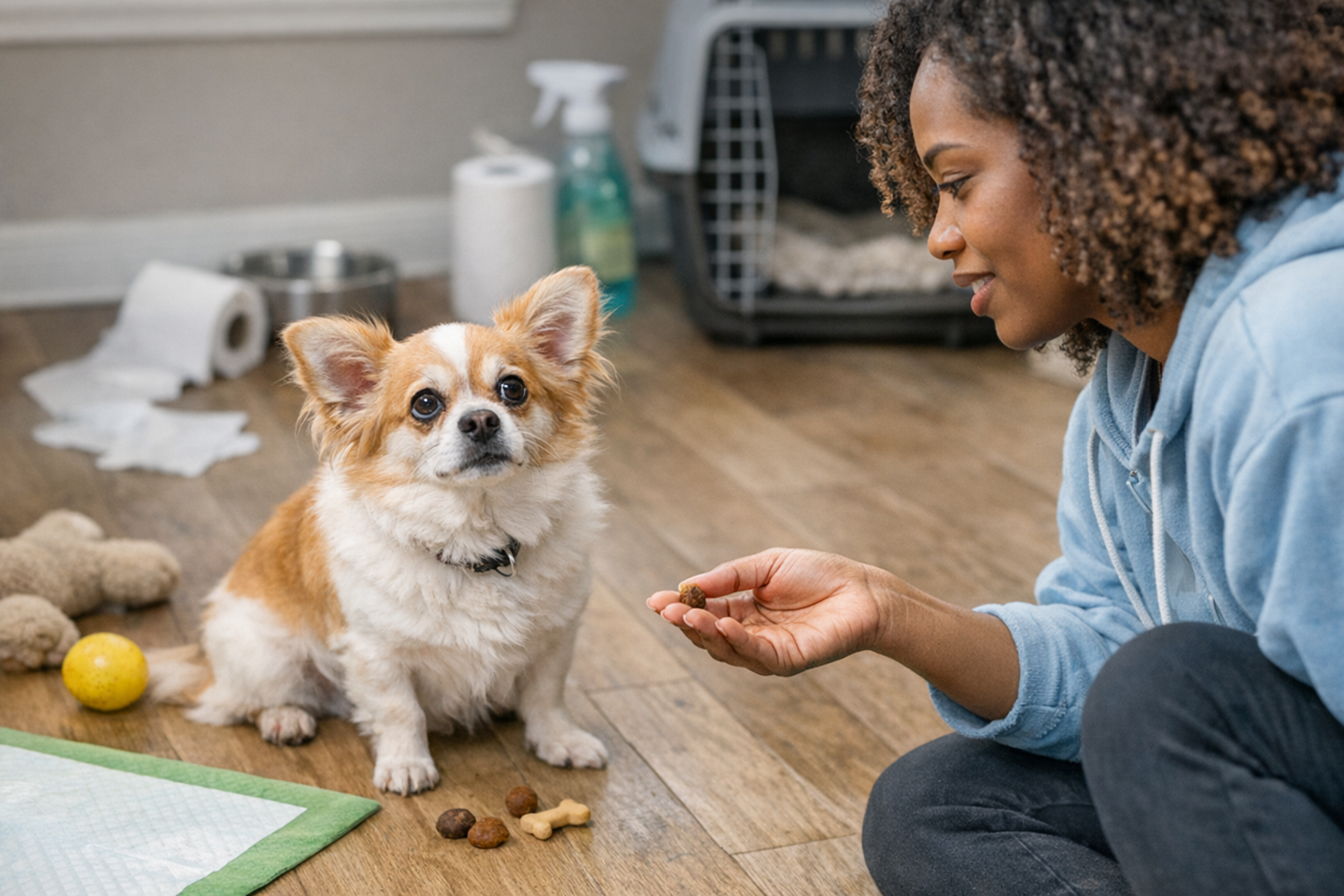
- Choose the Right Treats: Use small, soft treats that are easy for your pet to chew quickly.
- Establish a Schedule: Take your pet outside at regular intervals, especially after meals.
- Praise and Reward: In addition to treats, use lots of verbal praise and petting to reinforce good behavior.
- Be Patient: Every pet learns at their own pace; avoid punishment if accidents occur.
Best Products or Treat Types
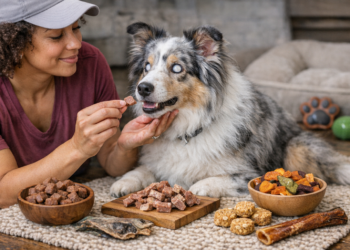
Selecting the right type of treat can make a difference in your training efforts. Consider the following options:
- Soft Training Treats: These are easy to chew and digest, making them ideal for quick rewards.
- Small, Low-Calorie Snacks: Offer a healthy option without overloading your pet with calories.
- Homemade Treats: Simple ingredients like peanut butter or pumpkin can be used in small bites.
- Interactive Toys: Fill these with treats to keep your pet engaged and reward them for good behavior.
Common Mistakes to Avoid
Many pet parents unknowingly make mistakes during potty training. Here are some common pitfalls to watch out for:
- Inconsistent Timing: Not rewarding your pet immediately after they go outside can confuse them.
- Overusing Treats: Relying solely on treats can make your pet expect rewards for every small behavior.
- Punishing Accidents: This can cause fear and anxiety, which may worsen the potty training process.
- Ignoring Signs: Not recognizing when your pet signals they need to go outside can lead to accidents.
- Neglecting to Clean Accidents Thoroughly: Your pet may smell previous accidents and think it’s an acceptable bathroom spot.
FAQs
Why are treats not motivating my pet?
Your pet may not find the treat enticing enough, or they may not associate the treat with the desired behavior. Experiment with different treats to find what excites them.
How long does potty training usually take?
The time it takes to fully potty train a pet can vary greatly, from a few weeks to several months, depending on the individual pet.
Should I use praise along with treats?
Yes! Combining praise with treats will make the reward even more effective and strengthen the bond between you and your pet.
What if my pet continues to have accidents?
Evaluate your training routine, check for signs that your pet needs to go outside, and consider consulting a vet for advice.
Can stress affect my pet’s potty training?
Absolutely. Stress from changes in environment or routine can hinder your pet’s ability to focus on potty training.
Is it too late to start potty training if my pet is older?
No, it’s never too late to start! However, older pets may require more patience and consistency.
Conclusion
Potty training can be a challenge, but with the right approach, you can help your pet succeed. Understanding why treats might not work as expected is key. By applying expert tips, avoiding common mistakes, and choosing the right treat types, you can create a positive training experience for both you and your furry friend. Remember to stay patient and consistent, and celebrate the small victories along the way!