
How to Read and Understand the Guaranteed Analysis on Treat Bags
Understanding the guaranteed analysis on pet treat bags can help you make better choices for your furry friends. This guide explains what the guaranteed analysis means and why it’s important, along with tips and common mistakes to avoid.
Why This Topic Matters for Pet Parents
As a pet parent, you want to provide the best for your animals. The guaranteed analysis on treat bags gives you essential information about what your pet is eating. Here’s why it matters:
- It helps you choose treats that meet your pet’s nutritional needs.
- It allows you to avoid ingredients that could harm your pet.
- Understanding it can lead to healthier pet choices.
Key Insights
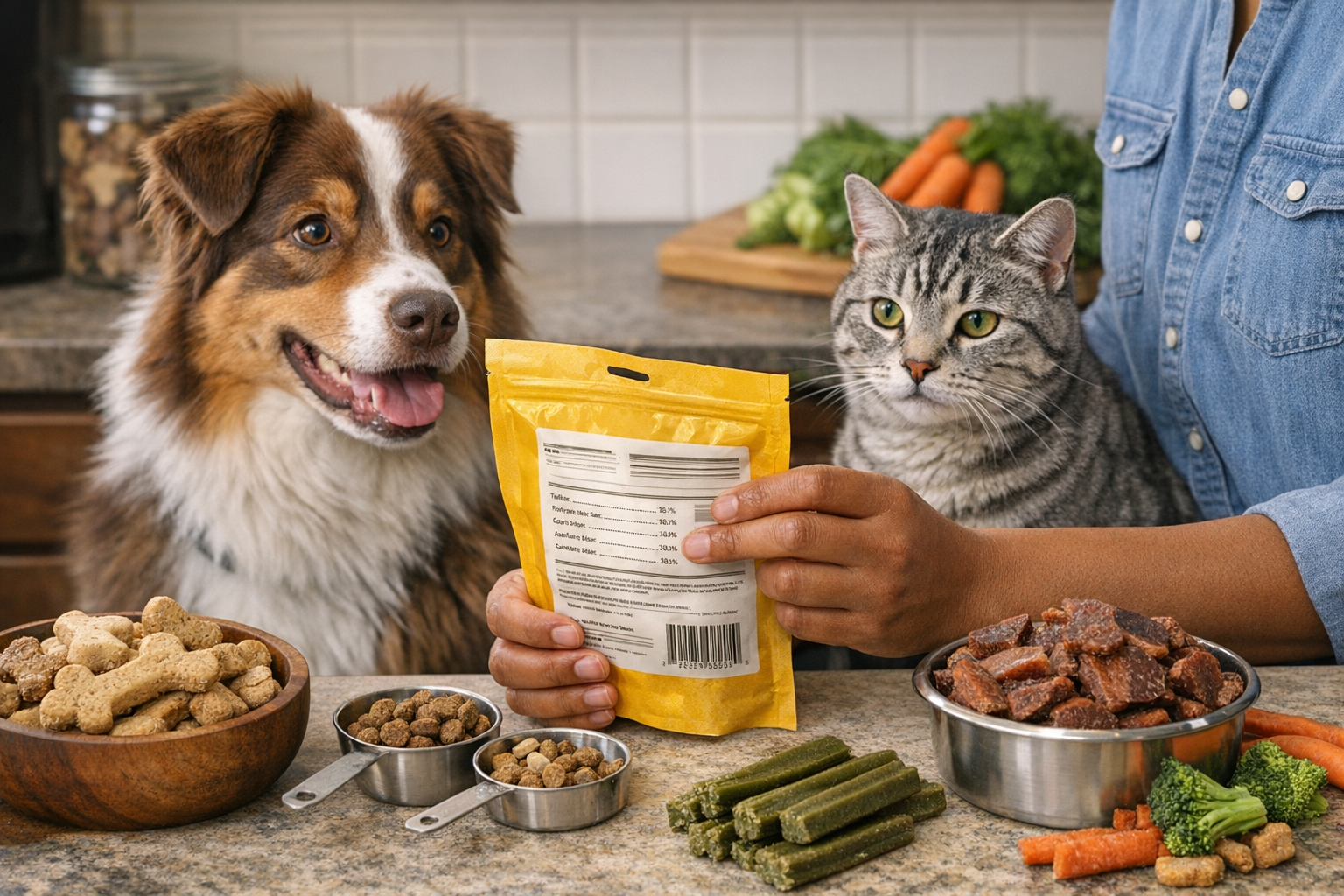
The guaranteed analysis provides important details about the nutritional content of pet treats. Here are the main points you should know:
- Crude Protein: This shows the minimum percentage of protein in the treats, important for muscle health.
- Crude Fat: This indicates the minimum percentage of fat, useful for energy and skin health.
- Crude Fiber: This tells you the maximum percentage of fiber, important for digestion.
- Moisture: This reflects the maximum percentage of water in the treat, impacting freshness and texture.
Expert Tips
Veterinarians recommend the following when reading the guaranteed analysis:
- Look for balanced nutrition. The protein, fat, and fiber percentages should match your pet’s age and activity level.
- Consider your pet’s specific needs. Senior pets may need lower fat, while active pets may benefit from higher protein.
- Check ingredient lists alongside guaranteed analysis for a complete picture of nutrition.
- Consult your vet if unsure about the right nutritional balance for your pet.
Best Products or Treat Types
Choosing the right type of treats can make a big difference. Here are some recommended categories:
- Meat-based Treats: Look for high protein content and natural ingredients.
- Vegetable-based Treats: Great source of fiber; ensure they don’t have added sugars or preservatives.
- Grain-Free Treats: Available for pets with grain sensitivities but ensure they still have balanced nutrition.
- Dental Treats: These not only help clean teeth but often contain ingredients beneficial for oral health.
Common Mistakes to Avoid
Here are some common pitfalls to watch out for when buying treats:
- Ignoring the serving size: Follow the recommended serving sizes based on your pet’s weight.
- Overlooking ingredients: Don’t just focus on analysis; check for artificial additives or fill ingredients.
- Not considering life stage: Adult and puppy/kittens have different nutritional needs; choose accordingly.
- Focusing solely on one nutrient: Treats should be balanced; avoid those that are too high or low in any one area.
FAQs
1. What is guaranteed analysis?
Guaranteed analysis is a statement on pet food and treat packaging that shows the minimum percentages of certain nutrients like protein and fat, as well as the maximum for moisture and fiber.
2. How can I tell if the treats are healthy?
Check the guaranteed analysis along with the ingredient list. Look for natural ingredients and a good balance of nutrients suitable for your pet.
3. Does higher protein mean better quality?
Not always. It depends on your pet’s needs. Some pets may require lower protein diets, so consider consulting your veterinarian.
4. Can I give my pet human food instead of treats?
Some human foods can be safe for pets, but always check for harmful ingredients and consult your veterinarian for safe options.
5. How often should I give my pet treats?
Moderation is key! Treats should only make up about 10% of your pet’s daily caloric intake to maintain a balanced diet.
6. Can I use treats for training?
Absolutely! Treats are often great motivators during training, but make sure they are small and low in calories.
Conclusion
Reading and understanding the guaranteed analysis on treat bags is essential for keeping your pets healthy. By focusing on the nutritional needs of your furry friends and avoiding common mistakes, you can choose the best treats for them. Always consult your veterinarian for personalized nutrition advice, and continue learning about what keeps your pets happy and healthy!