
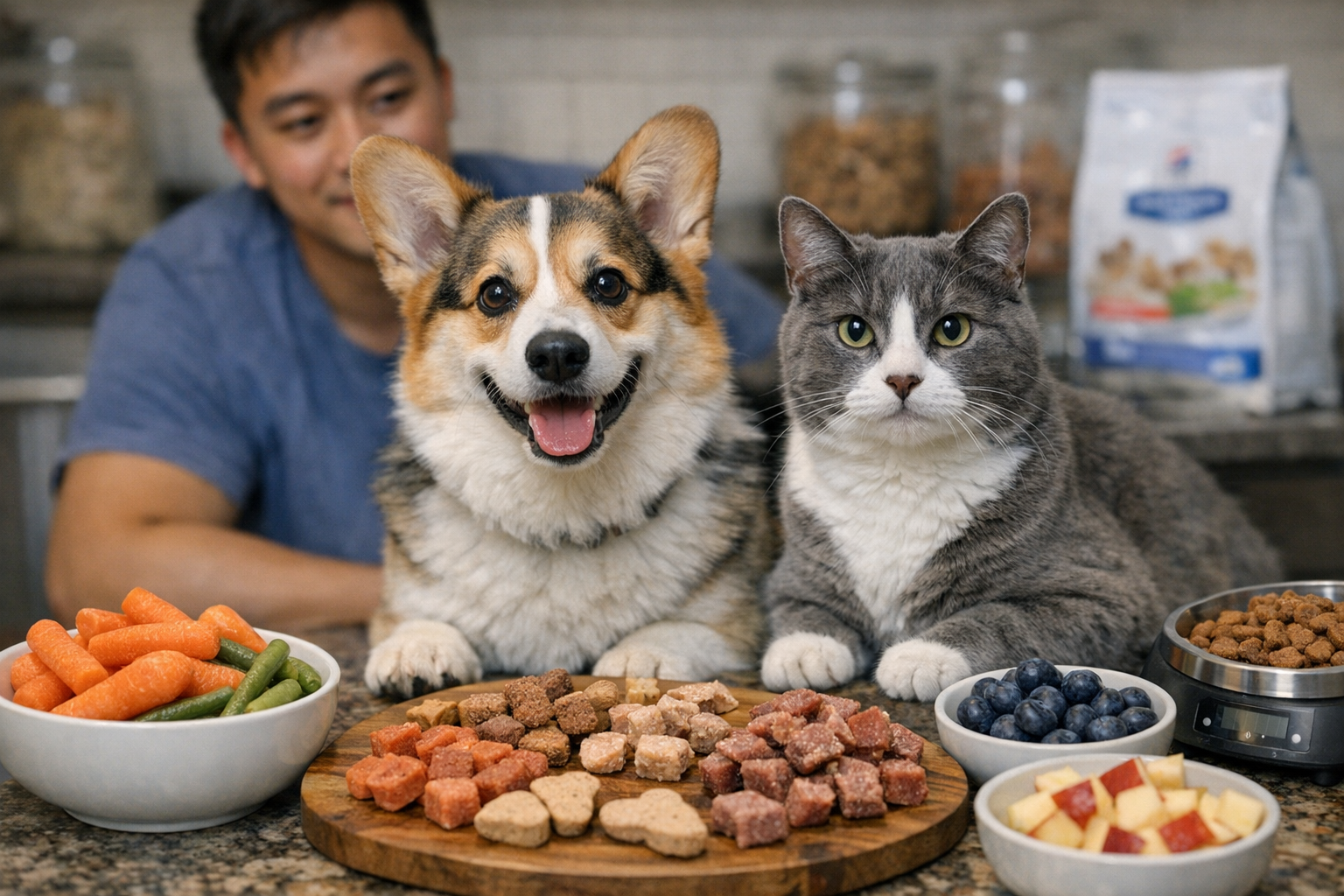
Understanding and Managing Dog and Cat Food Addiction (Over-Treating)
Many pet parents love to show affection through treats. However, over-treating can lead to food addiction and health issues for our furry friends. This article will explore the reasons behind food addiction in pets and provide practical tips on managing their diets.
Why This Topic Matters for Pet Parents
Understanding food addiction in pets is essential for several reasons:
- Maintaining a healthy weight in pets.
- Avoiding serious health problems like diabetes and obesity.
- Promoting positive behavior and a balanced diet.
Key Insights
Here are some important things to know about dog and cat food addiction:
- Pets may become addicted to food due to emotional needs or boredom.
- Over-treating can lead to obesity, which increases risks for other diseases.
- Portion control and a balanced diet are key to managing weight.
- Not all treats are created equal; some can be high in calories and low in nutrition.
- Behavioral training can help discourage begging for food and treats.
Expert Tips
Veterinary professionals recommend these strategies for managing food addiction and over-treating:
- Set Clear Limits: Decide how many treats your pet can have daily.
- Choose Healthy Treats: Opt for low-calorie or natural options.
- Use Treats Sparingly: Reserve treats for training or special occasions only.
- Maintain Regular Meal Times: Stick to a schedule to prevent excessive snacking.
- Engage in More Play: Physical activity can reduce boredom and the desire for food.
Best Products or Treat Types
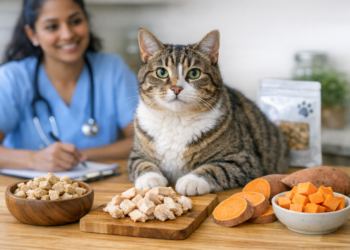
When selecting treats for your dog or cat, consider the following types:
- Vegetable-based Treats: Carrots and green beans are low in calories.
- Fruit Treats: Apples (without seeds) and blueberries can be healthy snacks.
- Little Training Treats: These often have fewer calories and are designed for rewards.
- Prescription Diet Treats: Some veterinarians offer treats formulated for weight management.
- Raw Freeze-Dried Treats: Opt for meat-based options for a protein boost without fillers.
Common Mistakes to Avoid
Here are some pitfalls to watch out for when managing your pet’s diet:
- Ignoring Caloric Intake: Not tracking how many calories your pet consumes can lead to weight gain.
- Using Food as Comfort: Treating your pet with food during stressful times can reinforce bad habits.
- Neglecting Exercise: Forgetting that pets need regular activities can worsen food addiction.
- Not Consulting a Vet: Always discuss diet changes with your veterinarian for tailored advice.
FAQs
1. What signs indicate my pet is addicted to food?
Signs include constant begging for treats, stealing food, and becoming aggressive over meals. Excess weight can also indicate a problem.
2. How can I gradually reduce my pet’s treat intake?
Start by slowly decreasing the number of treats given each day. Replace some treats with interactive play or attention.
3. Are there any health risks associated with food addiction in pets?
Yes, pets can suffer from obesity, diabetes, joint issues, and heart disease due to excessive weight from over-treating.
4. Can I give my pet human food as a treat?
Some human foods are safe, like fruits and vegetables, but always check that they are not toxic for pets (e.g., grapes, chocolate).
5. How often should I give my pet treats?
A general rule is no more than 10% of their daily calorie intake should come from treats. Stick to a schedule to help manage diet.
6. What should I do if my pet seems unsatisfied with regular meals?
Consider switching to a high-quality pet food or consult your veterinarian to ensure that your pet’s nutritional needs are met.
Conclusion
Understanding and managing food addiction in dogs and cats is crucial for their overall health and happiness. By following expert tips and choosing the right treats, you can help your furry friends thrive. Always consult with your veterinarian for personalized advice, ensuring your pets enjoy a balanced and happy life.