
Is Your Dog’s Persistent Thirst a Sign of Treat-Related Issues?
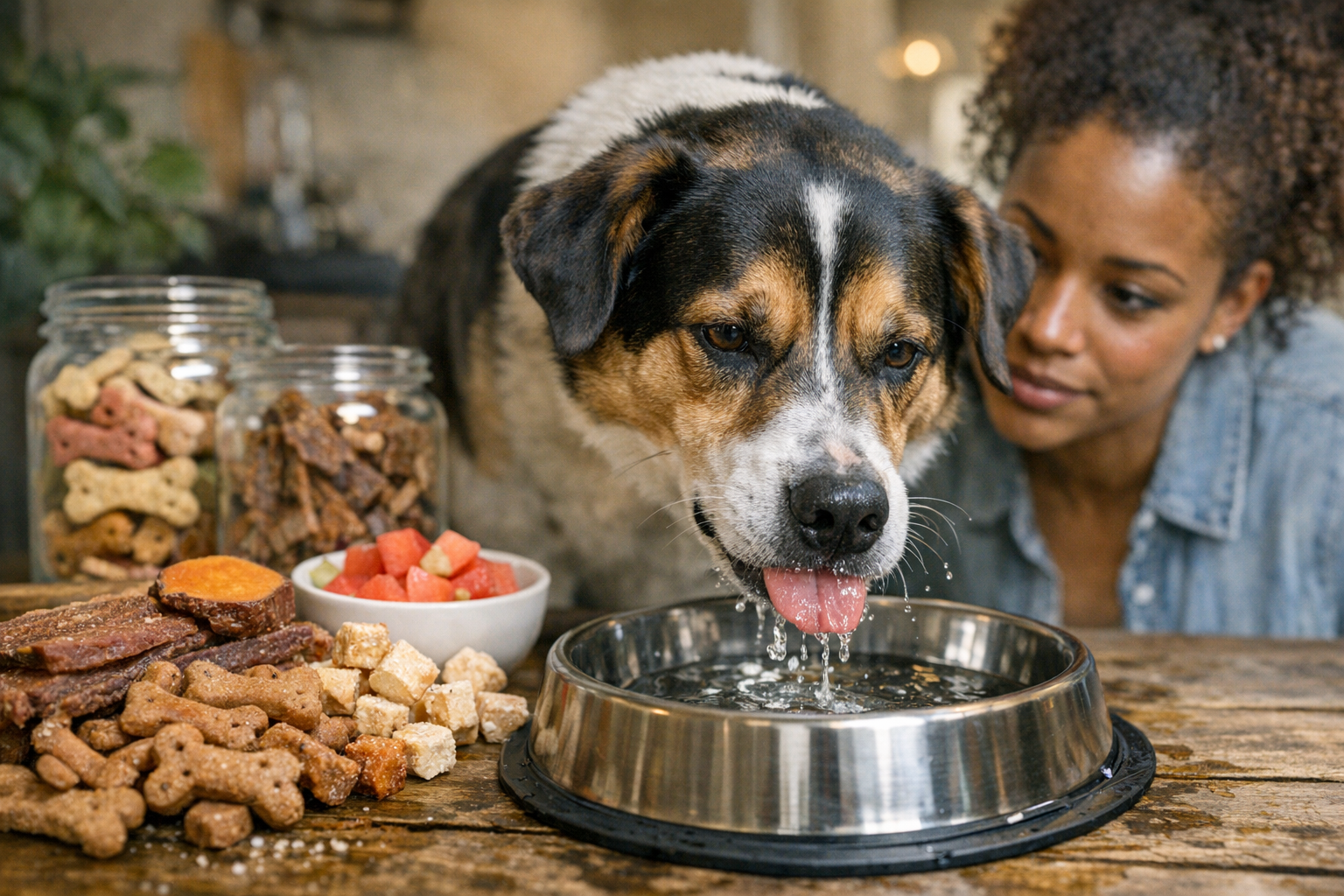
As pet parents, we love to spoil our furry companions with tasty treats. However, if your dog suddenly seems to have an unquenchable thirst, the treats you’re giving might be a clue. This article explores the connection between dog treats and excessive thirst, helping you understand if it’s time to reassess your dog’s diet.
Why This Topic Matters for Pet Parents
Understanding your dog’s health is crucial for their well-being. Persistent thirst can indicate a range of issues, from simple dietary concerns to more serious health conditions. As a responsible pet owner, knowing when to investigate changes in your dog’s behavior can ensure they remain happy and healthy.
Key Insights
- Excessive thirst can be a sign of dehydration or underlying health problems.
- Certain types of dog treats can affect your dog’s thirst level.
- Ingredients in treats may lead to urination or drinking more water.
- Regularly monitoring your dog’s water intake is key to their health.
Expert Tips
Here are some veterinarian-style recommendations to help you manage your dog’s thirst:
- Monitor Water Intake: Keep track of how much water your dog drinks daily. A drastic change may require a veterinary visit.
- Check Ingredients: Look for treats with natural ingredients. Avoid those high in salt, sugar, or artificial additives.
- Choose Hydrating Treats: Consider treats that contain moisture, such as freeze-dried fruits or fish.
- Limit Treats: Balance the quantity of treats in your dog’s diet with their daily food intake.
- Schedule a Vet Visit: If excessive thirst continues, consult your veterinarian for a thorough examination.
Best Products or Treat Types
Selecting the right treats for your dog can help manage their thirst. Here are some types of treats to consider:
- Low Sodium Treats: Opt for treats that are low in sodium to prevent excessive thirst.
- Natural Chews: Look for options like rawhide or vegetable-based chews which are less likely to contribute to dehydration.
- Freeze-Dried Treats: These can offer nutritional benefits without added moisture issues.
- Homemade Options: Consider making your dog treats using safe ingredients, such as peanut butter or pumpkin.
Common Mistakes to Avoid
Here are some common pitfalls to watch out for when it comes to your dog’s diet and thirst:
- Ignoring Changes: Don’t dismiss sudden changes in thirst as normal; always investigate.
- Overzealous Treating: Giving too many treats can lead to poor health and increased thirst.
- Choosing Low-Quality Treats: Cheap treats may contain fillers and harmful ingredients.
- Not Consulting a Vet: If concerns arise, skipping a vet visit can lead to worsening health issues.
FAQs
- What causes excessive thirst in dogs?
Excessive thirst can be caused by dehydration, diabetes, kidney disease, or inappropriate diet, among others. - How can I tell if my dog is dehydrated?
Signs of dehydration include dry gums, lethargy, and skin that doesn’t bounce back when pulled slightly. - Are there treats that help with hydration?
Yes, some treats, such as those made from fruits and vegetables, can add moisture to your dog’s diet. - When should I take my dog to the vet for drinking issues?
If your dog drinks excessively over a few days or shows other concerning symptoms, it’s best to see a vet. - Can treat ingredients impact my dog’s thirst?
Yes, certain ingredients like high sodium or sugar can lead to increased thirst and urination.
Conclusion
Persistent thirst in dogs can signal that something is off, especially regarding what they eat. By understanding the role of dog treats in your pet’s hydration and overall health, you can make informed decisions. Consult with your vet if you have concerns, and choose wisely when it comes to your dog’s treats for a happier, healthy life.