
The Best Training Treats for Toy Breeds: Tiny, High-Impact Rewards
Training your toy breed can be a delightful experience, especially when using the right treats. In this article, we’ll explore the best training treats for these small pups, focusing on their unique needs. You’ll learn why the right rewards are vital to your dog’s training success.
Why This Topic Matters for Pet Parents
As a pet parent, choosing the right training treats for your toy breed is essential. These tiny dogs may have big personalities, and their training demands specific approaches. High-impact rewards can motivate them, making training sessions more effective and enjoyable.
Key Insights
- Toy breeds often have small mouths, requiring treats that are bite-sized and soft.
- Positive reinforcement through treats enhances learning and builds strong bonds.
- Choosing low-calorie treats helps manage weight, as toy breeds are prone to obesity.
- Flavor variety keeps training exciting and engaging for your dog.
- High-quality ingredients are essential to ensure your dog’s health and well-being.
Expert Tips
- Consult Your Vet: Always check with your veterinarian before introducing new treats. They can help you choose options that suit your dog’s health needs.
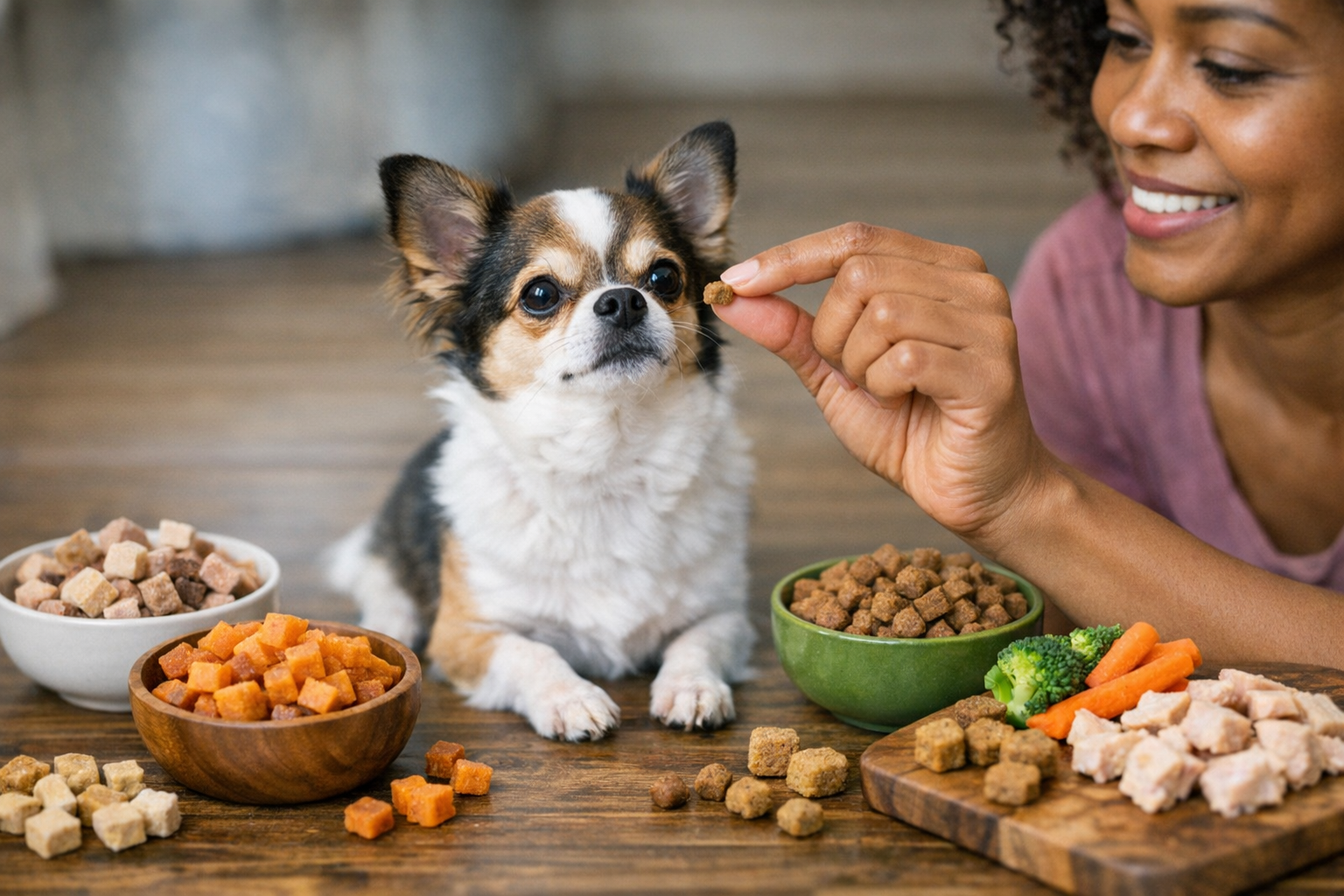
- Size Matters: Select treats small enough for your toy breed to chew quickly. This prevents choking and avoids distractions during training.
- Avoid Overfeeding: Limit training treats to about 10% of your dog’s daily caloric intake to maintain a healthy weight.
- Use Fresh Treats: Fresh, soft treats are generally more appealing and easier to chew for toy breeds.
- Be Mindful of Ingredients: Look for treats with limited ingredients and no artificial additives or preservatives.
Best Products or Treat Types
While specific brands are not mentioned, here are some types of treats that are popular among trainers for toy breeds:
- Soft Chewy Treats: These are easy for toy breeds to chew and digest, making them perfect for frequent rewards.
- Freeze-Dried Treats: They pack a lot of flavor and nutrients in a tiny size, and their crunchiness can be exciting for dogs.
- Homemade Treats: Consider making your own using healthy ingredients like sweet potatoes, pumpkin, or lean meats.
- Training Biscuits: Small-sized biscuits designed for training can be a great option. Look for flavors like chicken, beef, or fish.
- Vegetable-Based Treats: Treats made from veggies like carrots or peas are nutritious and low in calories.
Common Mistakes to Avoid
- Using Large Treats: Large treats can be overwhelming and difficult for tiny breeds to chew, making training less efficient.
- Ignoring Ingredient Quality: Avoid treats loaded with fillers or artificial ingredients; they can harm your dog’s health.
- Overusing Treats: Relying too heavily on treats can lead to weight gain and undermine training effectiveness.
- Skipping Variety: Boring treats can diminish your dog’s interest in training; rotate flavors and types regularly.
- Failure to Adjust Portions: Not adjusting your dog’s regular food intake when using treats can lead to obesity.
FAQs
1. How many treats should I give my toy breed during training?
Typically, treats should not exceed 10% of your dog’s daily calorie intake. Monitor their weight and adjust accordingly.
2. Can I use regular food as training treats?
Yes, you can use your dog’s regular kibble if it’s small and appealing. Just ensure it’s a tasty incentive for them.
3. Are homemade treats a good option?
Absolutely! Homemade treats can be tailored to your dog’s preferences and health needs. Just ensure they are small and nutritious.
4. What ingredients should I avoid in training treats?
Avoid treats with high amounts of artificial flavors, colors, and fillers. Ingredients like corn, soy, and wheat can also be problematic for some dogs.
5. How can I make training more effective?
Combine treats with praise and positive reinforcement. Keep training sessions short and fun to maintain your dog’s attention.
Conclusion
Choosing the best training treats for your toy breed can make a significant impact on their learning and behavior. By selecting small, high-quality, and tasty rewards, you set your pup up for success in training. Remember to keep treats moderate in size and calories, consult with your veterinarian, and vary the flavors to keep your dog engaged. Happy training!