


Training your dog doesn’t just require patience — it requires the right treats. In fact, most training failures happen not because the dog is stubborn, but because the reward isn’t motivating enough. Treats are the currency of dog learning, and choosing the wrong type can slow your progress, reduce focus, or even create digestive issues.
Whether you’re raising a brand-new puppy, teaching adult dogs new behaviors, or reinforcing good manners, selecting the proper training treats will dramatically speed up results. This guide explains everything beginners need to know about choosing safe, healthy, high-value treats that your dog will work for consistently.
Why Training Treats Matter So Much
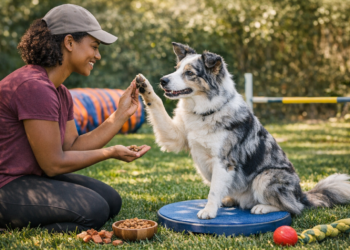
Dogs don’t speak our language — they learn through associations and rewards. In training, treats are used to:
- Reward good behavior
- Reinforce commands
- Improve focus
- Build motivation
- Help shape new behaviors
- Increase a dog’s confidence
- Speed up learning
- Strengthen the human–dog bond
The more your dog values the treat, the more likely they are to repeat the desired behavior. High-value treats = faster learning.

But the kind of treat you choose greatly affects your success.
What Makes a Good Training Treat?
Not all treats are equal. The best training treats all share a few important qualities.
✓ 1. Small Size
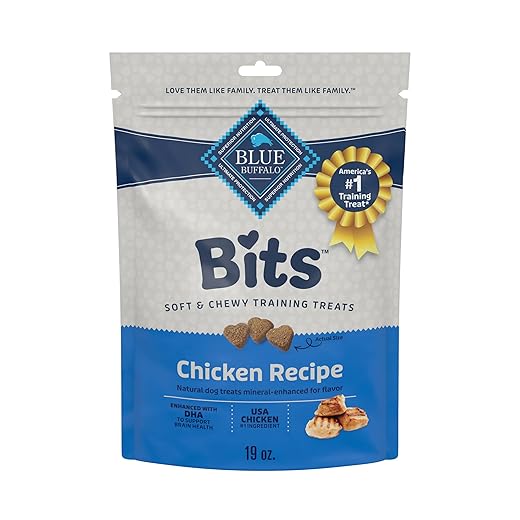
Training treats should be tiny — ideally pea-sized. You’re going to deliver dozens or even hundreds of treats in a single session.
Big treats lead to:
- Overfeeding
- Weight gain
- Dog losing interest
- Stomach upset
Even large dogs do best with tiny rewards.
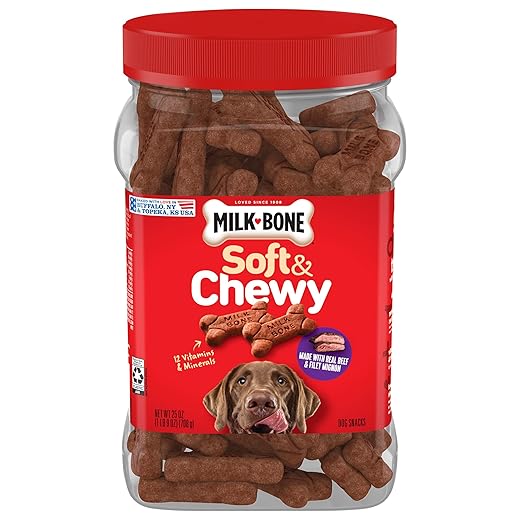
✓ 2. Soft and Chewy
Training requires rapid reward cycles. Soft treats are ideal because they can be eaten quickly.
Why soft treats work best:
- No crumbling
- Dogs don’t pause to chew
- Faster repetition
- Less mess
Crunchy treats slow sessions down significantly.
✓ 3. High-Value Flavor
A high-value treat has a stronger smell and richer taste. Dogs naturally work harder for:
- Meat-based treats
- Organ meat treats
- Freeze-dried or air-dried proteins
- Fish-based treats
If your dog loses focus easily or gets distracted outdoors, high-value treats are essential.
✓ 4. Low Calories
Since training requires many repetitions, treats must be low-calorie.
Look for:
- Under 3 calories per treat for small breeds
- Under 6 calories per treat for medium & large breeds
You can even break training treats in half.
✓ 5. Made With Real, Limited Ingredients
Dogs learn better when they feel good. Treats with filler ingredients can cause:
- Skin issues
- Allergies
- Itching
- Ear infections
- Loose stools
High-quality training treats include:
- 1–5 ingredients
- Meat as the first ingredient
- No artificial colors
- No sugar
- No wheat, corn, or soy
This helps maintain consistent digestion and performance.
The Three Types of Training Treats
You should ideally have three levels of treat value in your toolkit.
1. Low-Value Treats (For Easy Training Situations)
Good for:
- Practicing known commands
- Quiet home environments
- Calm, low-distraction areas
Examples:
- Kibble
- Basic biscuit pieces
- Small soft-chew bites
Use these when the dog is already familiar with the behavior.
2. Medium-Value Treats (For Moderate Difficulty)
Good for:
- Early stages of new training
- Practicing outdoors
- Mild distractions
Examples:
- Small soft meat-based treats
- Freeze-dried chicken pieces
- Air-dried beef bites
Most daily training uses medium-value rewards.
3. High-Value Treats (For Hard Training Situations)
These are the “jackpot” treats — what you use for:
- Teaching brand new commands
- Recall training
- Off-leash work
- Overcoming distractions
- Fear-based training
- Behavior modification
Examples:
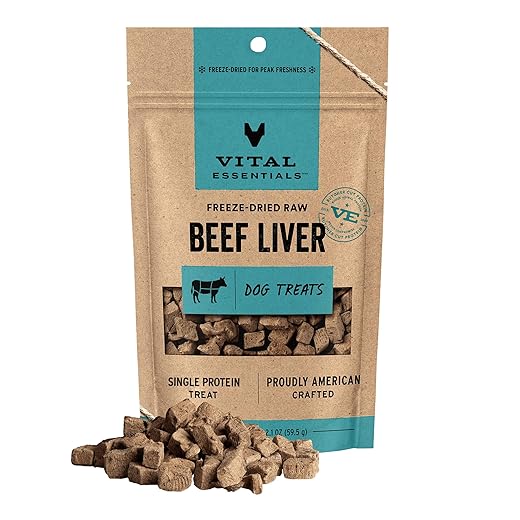
- Freeze-dried liver
- Fish treats
- Soft cheese bites
- Rotisserie chicken pieces
- Hot dog slices (in moderation)
- Low-sodium turkey
High-value treats are incredibly important when you need your dog’s full attention.
Best Training Treat Ingredients
Look for ingredients that match your dog’s biological needs.
Dogs thrive on:
- Chicken
- Turkey
- Beef
- Salmon
- Lamb
- Liver
- Heart
- Organ meats
Organ meats are especially motivating due to richer smell and taste.
If your dog has allergies, consider:
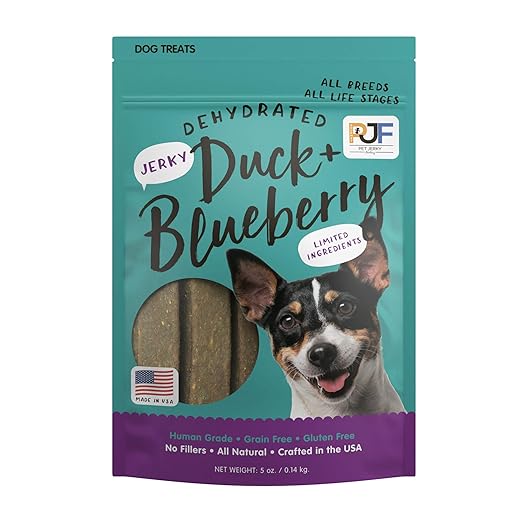
- Duck
- Rabbit
- Venison
- Whitefish
- Pork
Novel proteins help avoid reactions.
Ingredients to Avoid
Many commercial treats contain harmful or unnecessary additives.
Steer clear of:
- Sugar
- Corn syup
- Artificial dyes (Red 40, Blue 2)
- BHA, BHT, or ethoxyquin
- Wheat gluten
- Rendered fats
- Generic “animal by-product meal”
These additives can worsen behavior, digestion, and health.
How Many Treats Should You Use in Training?
More than you think — and less than you’re probably giving.
Training sessions should use:
- 30–100 tiny treats per session, depending on your dog
- Tiny pieces to avoid overfeeding
- Plenty of praise mixed in
For puppies and new learners, higher repetition is essential.
Follow the 10% Rule
Treats should make up no more than 10% of your dog’s daily calories.
But with tiny training treats, this is easy to manage.
When NOT to Use Treats
Food isn’t always the right reward. Don’t use treats when:
- Your dog is too anxious to eat
- Your dog is overstimulated
- Your dog is resource guarding
- Your dog is not hungry due to illness
- Your dog is vomiting or has diarrhea
Always ensure your dog is healthy before training.
Best Training Treats of 2025 (Vet + Trainer Recommended)
1. Zuke’s Mini Naturals
- Soft
- Low-calorie
- Comes in chicken, peanut butter, and salmon
- Perfect size for rapid training
A staple in dog training for years.
2. Stella & Chewy’s Freeze-Dried Raw Treats
- Great for dogs that need higher-value rewards
- Pure ingredients
- Highly motivating aroma
Break into small bits for training.
3. Pet Botanics Training Rewards
- Made with real pork liver
- Very soft & fragrant
- Affordable for high-volume training
Excellent for puppies.
4. Vital Essentials Freeze-Dried Minnows or Chicken Hearts
- Single-ingredient
- High-value
- Great for dogs with allergies
Ideal for recall and challenging sessions.
5. Redbarn Rolled Dog Food (Cut into cubes)
Professional trainers love this one.
- Slice into tiny cubes
- Inexpensive
- Soft and irresistible
- High-value reward without additives
Great for dogs that ignore regular treats outdoors.
How to Test Which Treats Work Best
Every dog is different. Try this simple test:
The 3-Plate Test
Put three small treat samples on plates:
- A soft training treat
- A freeze-dried treat
- A novel protein treat
See which the dog goes to first, second, and last.
The first one is your high-value treat.
Training Treat Mistakes Beginners Make
Avoid these common errors:
1. Using Crunchy Treats
They slow training down and reduce repetitions.
2. Giving Too Big of a Treat
Dogs get full, lose interest, and the session derails.
3. Not Adjusting Treat Value to Difficulty
Harder training requires better treats.
4. Using Treats as Bribes Instead of Rewards
Hold treats out of sight until the behavior is performed.
5. Switching Treats Too Frequently
This creates a “slot machine” expectation where the dog only works for novelty.
Consistency is key.
How to Combine Treats With Praise and Toys
Long-term training should rely on less food over time.
Use:
- Treats for teaching
- Praise for reinforcement
- Toys for high-drive dogs
- Life rewards (walks, play, release cues) for advanced training
This keeps your dog motivated without overfeeding.
Choosing Treats Based on Your Dog’s Age
Puppies
- Need very soft treats
- Need high repetition
- Must avoid large, crunchy treats
Adult Dogs
- Can handle a mix of treat types
- Do well with soft or medium-soft options
Senior Dogs
- Need soft, low-fat treats
- Should avoid tough textures
- May need sensitive-stomach options
Conclusion
The right training treats can transform the way your dog learns. Soft, small, high-value treats keep your dog motivated, focused, and excited to participate. Whether you’re working on basic commands, puppy training, leash walking, or recall, choosing appropriate treats is one of the most important steps to success.
Healthy ingredients, good texture, strong aroma, and low calories are the winning combination. Once you find a treat your dog loves, training becomes smoother, faster, and far more enjoyable for both of you.