
Teaching Dogs to ‘Wait’ at Doors and Gates with a Release Cue
Teaching your dog to ‘wait’ at doors and gates is essential for their safety and good behavior. This skill helps you manage your dog’s excitement and prevents them from bolting outside unexpectedly. In this article, we’ll explore why this training is important, key insights to guide you, expert tips, recommended products, common mistakes to avoid, and frequently asked questions.
Why This Topic Matters for Pet Parents
As pet parents, ensuring our dog’s safety is a top priority. Teaching your dog to ‘wait’ allows you to control their movements in and out of your home or yard. It can prevent accidents, escape attempts, or even scary confrontations with other dogs or vehicles. Teaching this command promotes good manners and strengthens the bond between you and your dog.
Key Insights
- Safety: Prevents your dog from running into dangerous situations.
- Control: Gives you better management over your dog’s excitement levels.
- Manners: Encourages polite behavior around doors and gates.
- Routine: Helps establish a structured routine for going in and out of different areas.
- Calmness: Promotes a sense of calm as your dog learns patience.
Expert Tips
Veterinarians recommend the following strategies for successfully teaching your dog to ‘wait’:
- Start with Basic Commands: Ensure your dog understands basic commands like ‘sit’ and ‘stay’ before introducing ‘wait.’
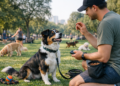
- Choose the Right Location: Begin training in a quiet area with minimal distractions. This helps your dog focus better.
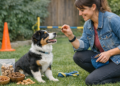
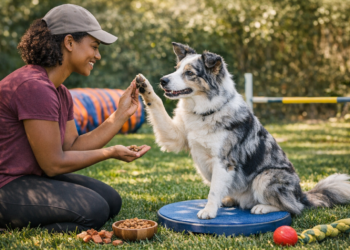
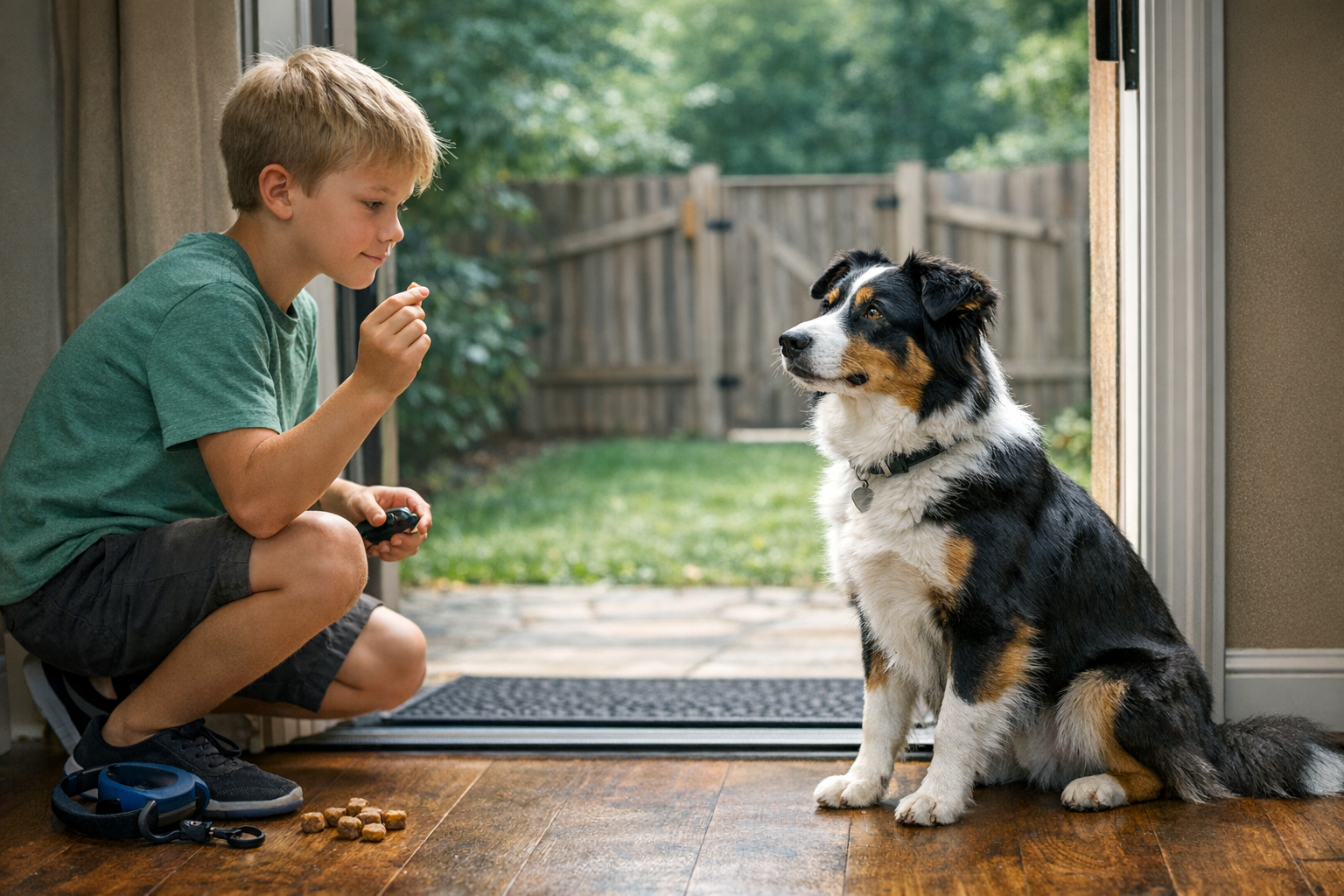
- Use Positive Reinforcement: Reward your dog with praise or tasty treats when they successfully wait. This reinforces the behavior.
- Gradual Progression: Start with short waiting periods and gradually increase the time as your dog gets better at the command.
- Regular Practice: Consistency is crucial. Practice daily until your dog masters the command.
Best Products or Treat Types
Choosing the right rewards can enhance your training sessions. Here are some recommended product types:
- High-Value Treats: Use small, tasty treats that your dog loves, like chicken or cheese, to motivate them.
- Toys: Some dogs may respond better to their favorite toys as a reward.
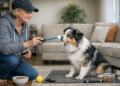
- Clickers: A clicker can be an effective training tool to mark the desired behavior instantly.
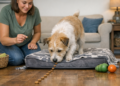
- Training Pads: Non-slip training pads can provide a designated area for your dog to sit while waiting.
Common Mistakes to Avoid
- Inconsistency: Not practicing regularly can confuse your dog. Consistency helps reinforce learning.
- Impatience: Expecting too much too soon can lead to frustration. Remember to be patient and allow your dog to learn at their own pace.
- Not Rewarding: Failing to reward your dog when they successfully follow the command can hinder progress.
- Lack of Focus: Practicing in distracting environments too soon can overwhelm your dog. Start in quieter areas.
- Over-Correcting: Avoid excessive correction or harsh tones, which can create anxiety and fear around training.
FAQs
- How long should I train my dog each session? Keep training sessions short and fun, around 5-10 minutes is ideal.
- Can all dogs learn to ‘wait’? Yes! All dogs can learn this command, though some may take a bit more time.
- What if my dog refuses to wait? Go back to basics. Ensure they understand the previous commands before re-attempting ‘wait.’
- How do I know if my dog is ready to move on? If your dog consistently waits without distraction for several sessions, you can gradually increase the challenge.
- What should I do if my dog breaks the wait command? Gently redirect them back to the waiting position and reward them when they comply.
Conclusion
Teaching your dog to ‘wait’ at doors and gates is a vital skill that promotes safety and good manners. By understanding the importance of this command, utilizing expert tips, and avoiding common mistakes, you can help your dog become well-trained and patient. Consistent practice, along with the right rewards, will strengthen your bond and ensure your dog waits calmly at doors and gates.