
Advanced Trick Training: Targeting and Shaping with Minimal Treats
Training your pet can be a fun and rewarding experience. Learning advanced tricks through targeting and shaping techniques can deepen your bond with your furry friend, even with minimal treats. This guide provides essential insights and strategies to help pet parents master these training methods.
Why This Topic Matters for Pet Parents
Understanding advanced trick training is vital for pet parents because:
- It enhances communication and strengthens the bond between pet and owner.
- It provides mental stimulation, helping to reduce boredom and behavioral issues.
- It encourages a sense of accomplishment for both you and your pet.
Key Insights
Here are some key concepts and techniques to keep in mind when using targeting and shaping in your training sessions:
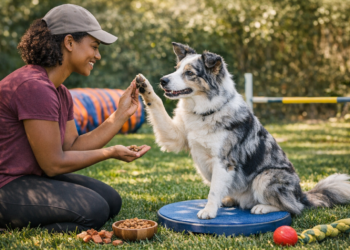
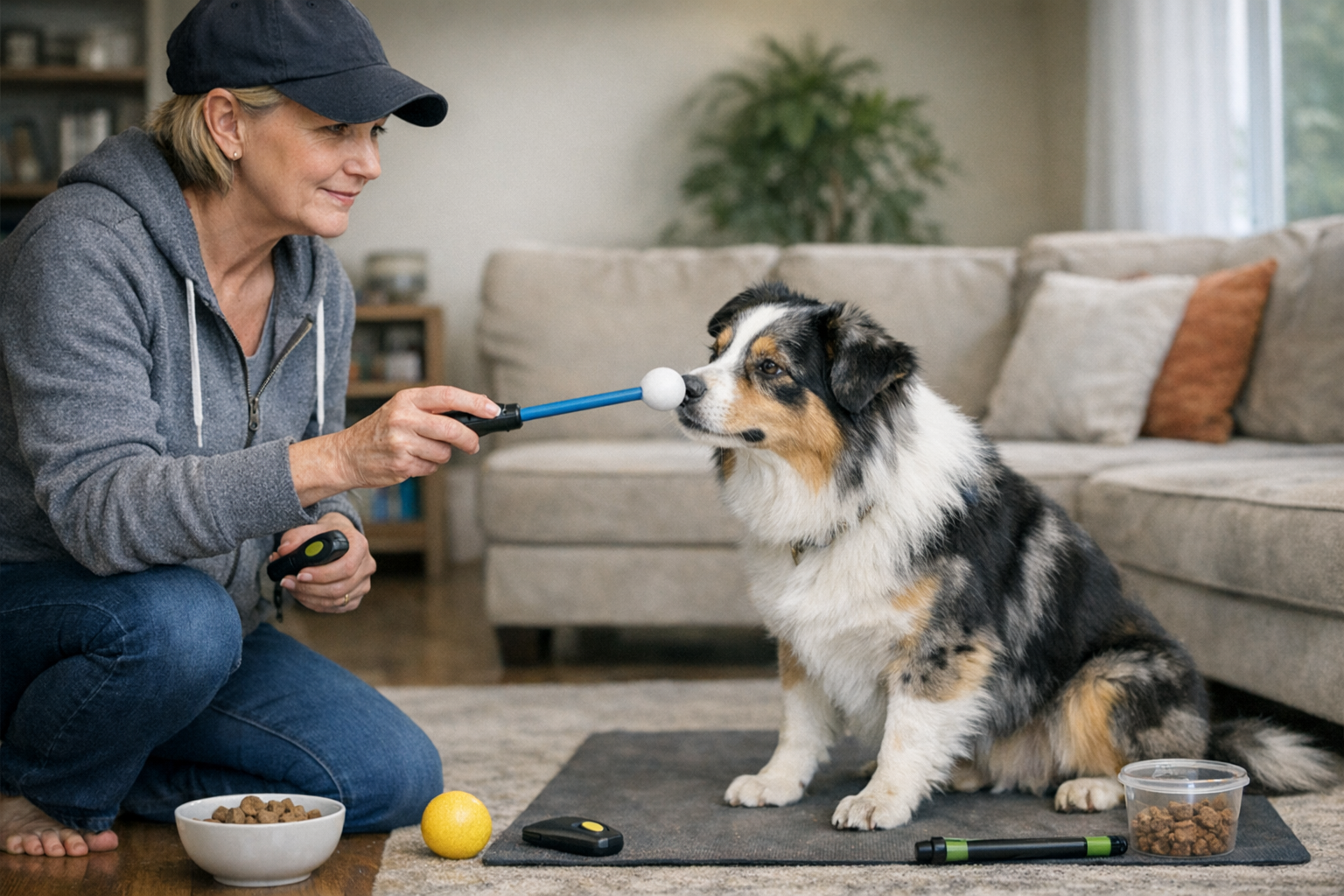
- Targeting: Teaching your pet to touch or follow a specific object, such as your hand, a target stick, or a toy.
- Shaping: Gradually teaching a behavior in small steps, rewarding progress rather than perfection.
- Positive Reinforcement: Using rewards to encourage desired behaviors, which can include praise, play, or minimal treats.
Expert Tips
Veterinarians and animal behaviorists recommend these strategies to enhance your training:
- Start Slowly: Begin with simple commands before moving on to more complex tricks.
- Use a Clicker: A clicker can help pinpoint the exact moment your pet performs the desired behavior, making training clearer.
- Keep Sessions Short: Aim for 5-10 minute sessions to maintain your pet’s focus and prevent frustration.
- Gradive the Difficulty: Increase the challenge gradually to keep your pet engaged and motivated.
- Consistency is Key: Use the same commands and signals each time you train.
Best Products or Treat Types
Choosing the right products can make training much easier and more enjoyable for your pet:
- Soft, Tasty Treats: Look for small, soft treats that your pet enjoys to reward them easily without overindulging.
- Target Sticks: A simple stick or even a chopstick can serve as an effective target for your pet to follow.
- Clickers: A clicker can help mark the behaviors you want to reinforce quickly and clearly.
- Training Mats: These can help your pet understand where to stand or stay when performing tricks.
Common Mistakes to Avoid
To ensure successful training, here are some common pitfalls to avoid:
- Skipping the Basics: Ensure your pet understands basic commands before advancing to tricks.
- Using the Wrong Tactics: Avoid harsh corrections; focus on positive reinforcement instead.
- Overtreating: Using too many treats can lead to weight issues; opt for small rewards or toy rewards.
- Lack of Patience: Remember, learning takes time, and some pets need more time than others.
FAQs
1. What is targeting in dog training?
Targeting is when you teach your dog to touch or follow an object, like your hand or a stick, which can help with more complex commands.
2. How do I start shaping a behavior?
Start by rewarding small steps toward the behavior you want. For example, if you want your dog to roll over, first reward them for lying down, then for shifting their weight to one side.
3. How do I know if my dog is bored with training?
If your dog is losing interest, yawning, or ignoring you, it may be time to take a break or try a different trick.
4. How many treats should I use during training?
Use just enough to motivate your pet without overfeeding. Small, low-calorie treats are ideal for frequent rewards.
5. Can all pets learn tricks?
Most pets can learn tricks, but some may take longer than others. Be patient, consistent, and adjust your methods as needed.
6. How often should I train my pet?
Aim for short, daily sessions to keep your pet engaged and reinforce learning consistently.
Conclusion
Advanced trick training through targeting and shaping can be an enjoyable journey for you and your pet. By using minimal treats, consistent methods, and positive reinforcement, you can foster a rewarding training experience. Remember to be patient and celebrate every little success along the way. Happy training!