
Counter-Conditioning Fear of the Vet with Special Treats
Many pets are afraid of visits to the veterinarian. This fear can lead to stressful situations for both pets and their owners. Using special treats can help change how pets feel about vet visits, making the experience more positive and less frightening.
Why This Topic Matters for Pet Parents
Understanding and addressing your pet’s fear of the vet is crucial. Here’s why:
- Health and Wellness: Regular check-ups are important for your pet’s health.
- Stress Reduction: A calm pet makes for a smoother vet visit.
- Positive Associations: Helping your pet associate the vet with good experiences can promote better health habits.
Key Insights
To effectively counter-condition your pet’s fear of the vet, consider these insights:
- Start introducing treats at home before the vet visit.
- Use high-value treats that your pet loves.
- Keep training sessions short and positive.
- Gradually expose your pet to the vet’s office environment.
- Involve the veterinary staff in the training to help build trust.
Expert Tips
Here are some veterinarian-style recommendations to help combat your pet’s fear:
- Choose the Right Time: Visit the vet during quiet hours when it’s less crowded.
- Practice Handling: Get your pet used to being handled in ways that mimic vet exams.
- Take Breaks: Allow your pet to listen to their comfort levels; if they’re stressed, give them a break.
- Talk Softly: Use a calm and soothing voice when comforting your pet.
- Gradual Approach: Start with short visits, like just entering the clinic, and gradually increase the duration.
Best Products or Treat Types
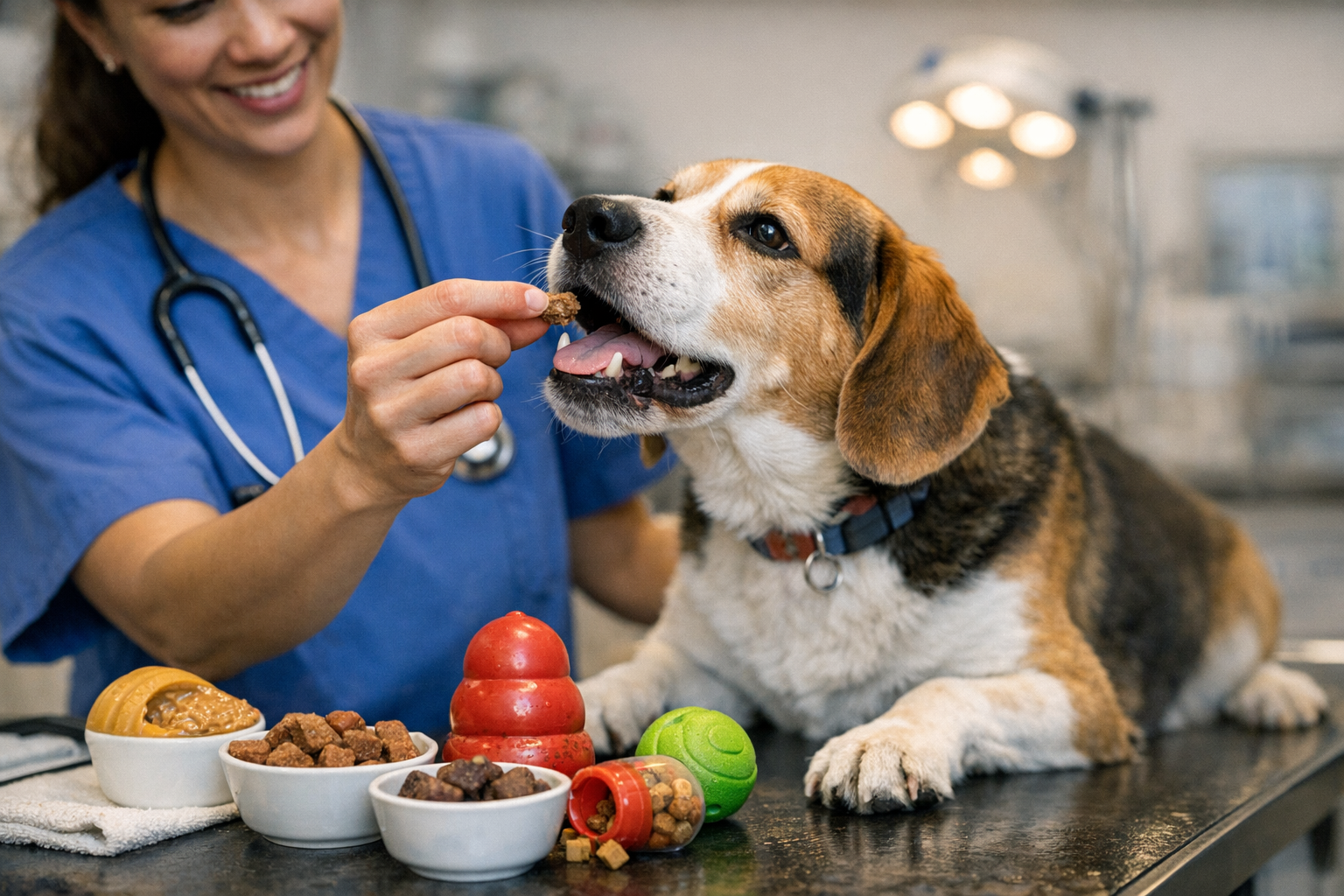
Choosing the right treats can make a big difference. Here are some suggestions for effective options:
- Soft Chewy Treats: These are easy for pets to eat and digest quickly.
- High-Value Protein Snacks: Chicken or beef liver treats are often irresistible to dogs.
- Freeze-Dried Treats: These retain flavor and are highly appealing.
- Peanut Butter or Cheese Spread: Using these in a toy can keep pets distracted.
- Positive Reinforcement Toys: Stuffed toys that release treats can keep your pet engaged.
Common Mistakes to Avoid
Avoid these pitfalls to ensure effective counter-conditioning:
- Using Low-Quality Treats: Treats that are not enticing may not grab your pet’s attention.
- Overwhelming Your Pet: Exposing them to too much at once can reinforce fear rather than reduce it.
- Skipping Gradual Steps: Rushing the process can cause setbacks.
- Neglecting Veterinary Communication: Keep the vet informed about your pet’s behavior and anxiety.
- Forgetting Positive Reinforcement: Always reward calm behavior to build positive associations.
FAQs
1. How long does the counter-conditioning process take?
The time it takes varies by pet. Some pets may respond quickly, while others may take weeks or months. Patience is key.
2. Can counter-conditioning be used for other fears?
Yes! Counter-conditioning can help with various fears, such as loud noises, strangers, or even grooming.
3. What if my pet won’t eat treats at the vet?
Focus on the environment first. Gradually get your pet used to the vet’s office, using treats outside before bringing them inside.
4. Are there any specific tricks to use at the vet’s office?
You can practice sit and stay commands to help create a feeling of calm. Offering a toy or treat during the visit can help, too.
5. Should I consult my vet before starting this process?
Yes, it’s a good idea to discuss your pet’s fears with your veterinarian. They may have specific advice based on your pet’s history.
Conclusion
Counter-conditioning your pet’s fear of the vet using special treats can lead to happier and less stressful visits. By understanding how your pet learns and applying the right strategies, you can create a positive experience for both of you. Remember to use high-value treats, be patient, and celebrate small wins along the way. Your pet’s health can greatly benefit from a more relaxed attitude towards vet visits!