
The Complete Guide to Choosing Single-Protein Treats for Pets
Choosing the right treats for your pets can be a challenging task. Single-protein treats are a popular option that can help dogs and cats with allergies or food sensitivities. This guide will help you understand why these treats matter, how to choose them, and what to avoid.
Why This Topic Matters for Pet Parents
As a pet parent, making informed choices for your furry friends is crucial. Here’s why single-protein treats are important:
- Food Sensitivities: Many pets suffer from allergies. Single-protein treats can reduce reactions.
- Better Digestion: These treats are often easier for pets to digest.
- Health Benefits: Quality protein sources help maintain muscle and overall health.
Key Insights
Understanding single-protein treats can guide you in selecting the best options:
- Look for high-quality ingredients: The first ingredient should always be a specific protein, like chicken or salmon.
- Watch for fillers: Avoid treats with excessive fillers or artificial ingredients.
- Consider your pet’s needs: Each pet is unique; choose treats that suit their health status.
- Check the source: Know where the protein is sourced from to ensure quality.
Expert Tips
Veterinarians recommend the following when choosing single-protein treats:
- Consult with your vet: Before introducing new treats, discuss them with your veterinarian.
- Introduce slowly: Gradually add new treats to your pet’s diet to avoid stomach upset.
- Read labels: Check the ingredient list and nutritional information carefully.
- Consider life stage: Puppies and kittens have different nutritional needs than adult pets.
Best Products or Treat Types
Here are some popular types of single-protein treats to consider:
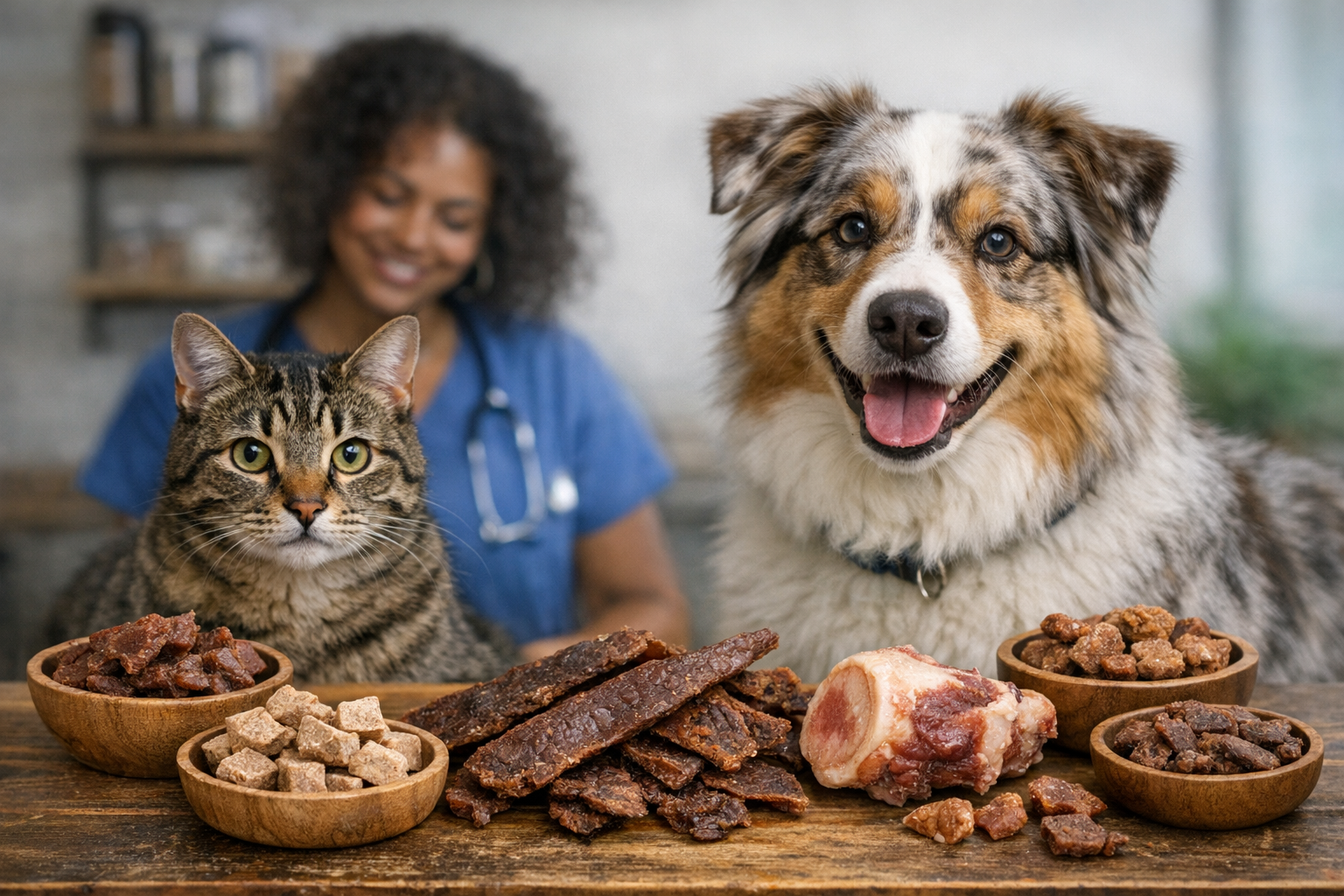
- Dehydrated meat bites: These are made from single sources like beef or chicken.
- Freeze-dried treats: Freeze-drying preserves nutrients and flavor.
- Jerky strips: Look for jerky made from a single type of meat without added chemicals.
- Single-source chews: Natural bones or chews made from one protein can also be beneficial.
Common Mistakes to Avoid
When selecting single-protein treats, avoid these mistakes:
- Not checking the protein source: Ensure the protein is specified (e.g., “chicken” not just “meat”).
- Ignoring allergies: Always be aware of your pet’s specific allergies or sensitivities.
- Choosing by price alone: Higher quality often correlates with better health benefits.
- Over-treating: Too many treats can lead to obesity or health issues.
FAQs
1. How can I tell if my pet is allergic to a treat?
Watch for symptoms like itching, swelling, or digestive issues after eating a new treat.
2. Are single-protein treats suitable for all pets?
Not all pets need single-protein treats. Dogs and cats with food sensitivities or allergies benefit the most.
3. Can I give these treats to my pet every day?
In moderation, yes! Treats should not exceed 10% of your pet’s daily caloric intake.
4. How long do these treats last?
It depends on the type, but most have a shelf life of several months when stored correctly.
5. Are homemade single-protein treats a good option?
Yes! If made with care and proper ingredients, homemade treats can be nutritious and delicious.
Conclusion
Choosing single-protein treats can enhance your pet’s diet and overall health. With careful selection, expert tips, and an understanding of your pet’s needs, these treats can be a wonderful addition to their routine. Always consult with your veterinarian to ensure you choose the best options. Your pet will thank you for it!