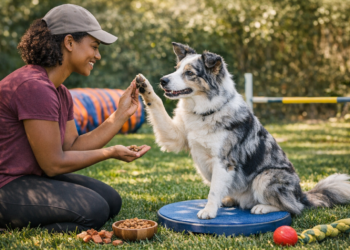




Long-Term Dog Training: When and How to Fade the Treat Reward
Training your dog effectively is a journey that requires patience and understanding. As your dog learns, fading the use of treat rewards is essential for long-term success. This article will guide you on when and how to reduce treat rewards in dog training while ensuring your furry friend continues to thrive.
Why This Topic Matters for Pet Parents
Fading treat rewards is a vital part of dog training. It helps your dog learn to obey commands without relying solely on treats. This skill is crucial for everyday situations, making your dog better behaved and more reliable. Knowing when and how to fade rewards can lead to:
- Better long-term obedience
- Improved bond between you and your dog
- Enhanced safety in various situations
Key Insights
- Start with high-value treats during initial training.
- Gradually reduce treat frequency as your dog becomes more consistent.
- Incorporate other forms of rewards like praise or playtime.
- Keep training sessions short and positive to maintain engagement.
- Observe your dog’s behavior to determine the right time to fade treats.
Expert Tips
Veterinarians and dog trainers suggest several strategies to fade treat rewards effectively:
- Timing is Key: Transition to intermittent rewards. Give treats sometimes, but not every time.
- Use Variable Reward Schedules: Reward your dog at random intervals, which helps maintain interest.
- Mix Treats and Praise: Pair treats with verbal praise, pets, or playtime to diversify rewards.
- Gradually Reduce Treat Size: Instead of eliminating treats, cut them into smaller pieces.
- Observe Your Dog: Watch how your dog responds. Be patient and adjust based on their behavior.
Best Products or Treat Types
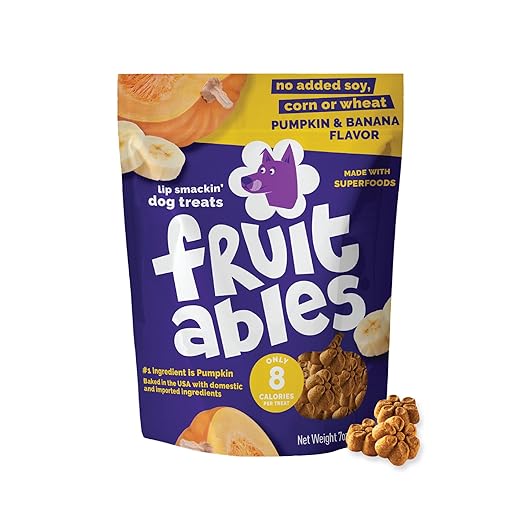
Choosing the right treats can enhance your training experience. Here are some ideal treat types:
- Soft, Chewy Treats: Easy to eat quickly, allowing for multiple rewards in one session.
- Low-Calorie Treats: Helps prevent overfeeding while keeping your dog motivated.
- Training Treats: Small-sized, specially designed for training to be fed quickly.
- Homemade Treats: Simple recipes with healthy ingredients allow you to control what your dog eats.
Common Mistakes to Avoid
Training can sometimes go awry due to common mistakes. Here are things to watch out for:
- Fading Treats Too Early: Make sure your dog is confident in the command before reducing treats.
- Inconsistency: Ensure everyone in the household uses the same training methods.
- Punishing Mistakes: Never punish your dog for not responding; instead, encourage them positively.
- Ignoring Engagement: If your dog seems bored, switch up the rewards or training routine.
- Over-reliance on Treats: Remember to include other forms of rewards to maintain motivation.
FAQs
1. When should I start fading my dog’s treat rewards?
Wait until your dog consistently performs the desired behavior before starting to fade treat rewards. This usually takes several weeks of training.
2. What signs indicate I should fade treats?
When your dog begins responding reliably to commands, it’s time to reduce treats. If they seem eager to please, that’s also a good sign.
3. Can I still use treats for special situations after fading them?
Absolutely! Using treats for high-distraction environments or special occasions can help reinforce training.
4. How can I keep my dog motivated without treats?
Use verbal praise, petting, or favorite toys as alternatives to keep your dog motivated and engaged during training.

5. Are there any risks to fading treats too quickly?
Yes, fading treats too fast can lead to confusion and frustration for your dog, making training less effective.
6. What if my dog doesn’t respond well after fading treats?
If your dog seems less responsive, go back to using treats more frequently and then gradually fade them off again at a slower pace.
Conclusion
Fading treat rewards is an essential part of long-term dog training. With the right timing and approach, you can ensure that your dog remains well-behaved and obedient without relying solely on treats. Remember, training is a journey, so stay patient and consistent. Your bond with your furry friend will grow as they learn to respond to your commands without the constant lure of a treat.