
Overcoming Distractions: Training Your Dog in a Public Park
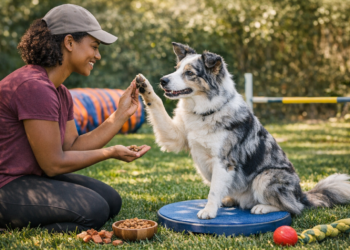
Training your dog in a busy, public park can be a challenge. With so many sights, sounds, and other dogs around, distractions abound. However, with the right techniques and tools, you can successfully train your dog even in these hectic environments.
Why This Topic Matters for Pet Parents
Understanding how to train your dog in a public park is important for various reasons:
- Improves your dog’s obedience despite distractions.
- Builds a stronger bond between you and your pet.
- Enhances your dog’s socialization skills.
Key Insights
Here are some essential insights to consider when training your dog in a public park:
- Start Small: Begin training in less crowded areas.
- Choose Appropriate Times: Visit during off-peak hours for fewer distractions.
- Use Positive Reinforcement: Reward good behavior with treats or praise.
- Be Patient: Learning takes time and each dog is different.
Expert Tips
Veterinarians recommend these tips to enhance your training experience:
- Keep Sessions Short: Aim for 5-10 minute training intervals.
- Use High-Value Treats: Choose treats your dog loves to motivate them.
- Practice Focus Commands: Teach commands like “look” or “focus” to help divert attention from distractions.
- Socialize Gradually: Allow your dog to interact with other dogs only when they are calm and focused.
- Monitor Stress Levels: If your dog becomes overwhelmed, take a break.
Best Products or Treat Types
When training your dog in a public park, consider using these types of products and treats:
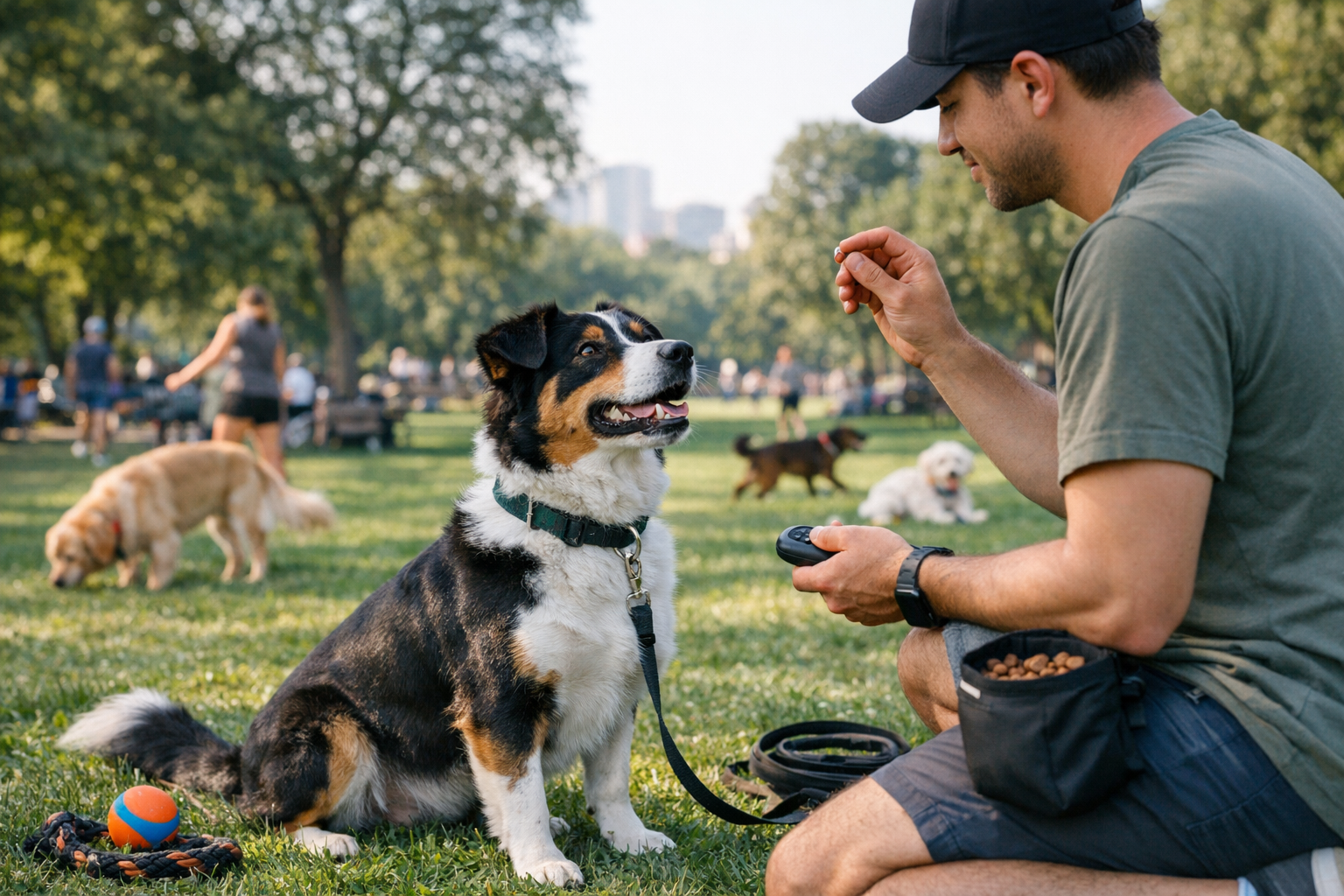
- Pocket-Sized Treats: Small and easy to carry, perfect for training sessions.
- Clickers: Good for marking desired behaviors quickly and effectively.
- Leash Attachments: Train your dog off-leash with safety in mind using training leashes.
- Interactive Toys: Use toys that can help refocus your dog’s attention.
Common Mistakes to Avoid
Avoid these common pitfalls when training in public parks:
- Inconsistent Commands: Use the same command for the same action every time.
- Ignoring Your Dog’s Stress Signals: Be attentive to signs of anxiety or discomfort.
- Unclear Rewards: Ensure your dog knows what behavior earned a reward by timing your praise and treats well.
- Neglecting to Practice Often: Consistency is key; train regularly to reinforce commands.
FAQs
- How long does it take to train a dog in a public park? Training time varies by dog. Consistent practice over weeks or months is common.
- What are the best times to train at a park? Early mornings or late evenings are typically less crowded.
- Can I train my dog without treats? Yes, using praise, toys, or playtime can also be effective motivators.
- How do I know if my dog is ready for more distractions? If your dog remains focused on you in a busy environment, they may be ready for more distractions.
- What should I do if my dog becomes overwhelmed? Take a break, move to a quieter area, or try a different training approach.
Conclusion
Training your dog in a public park can be rewarding and fun. With patience, the right techniques, and appropriate tools, you can overcome distractions and enhance your dog’s training experience. Remember, every dog is unique, so adjust your strategies as needed. Happy training!