

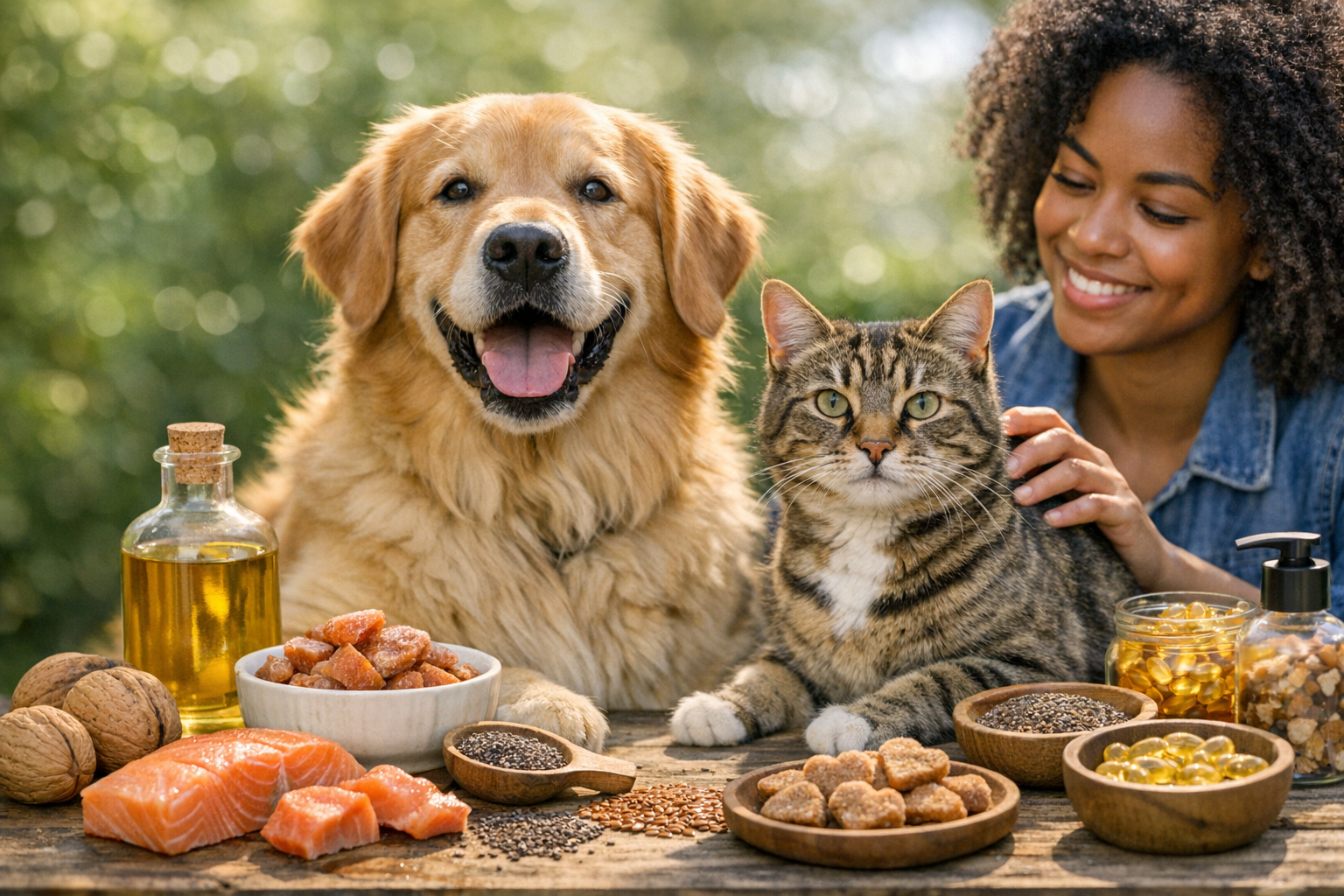
Essential Fatty Acids: Choosing Treats for a Healthy Coat and Skin
Taking care of your pet’s coat and skin is crucial for their overall health. One way to support this is by choosing the right treats that are rich in essential fatty acids (EFAs). In this article, we will explore what EFAs are, how they benefit your pet, and how to select the best treats to keep their skin and coat healthy.
Why This Topic Matters for Pet Parents
As pet parents, we want our furry friends to look and feel their best. A shiny coat and healthy skin are signs of a happy and well-nourished pet. Essential fatty acids are vital for maintaining skin health and can help prevent many common issues such as dryness, flakiness, and itching. By understanding the importance of EFAs, we can make better choices when it comes to our pets’ treats and diets.
Key Insights
– **What are Essential Fatty Acids?**
– EFAs are types of fats that pets cannot produce on their own.
– Omega-3 and Omega-6 are the two most important types of EFAs.
– **Benefits of EFAs:**
– Promote a shiny, soft coat.
– Support healthy skin and reduce itching.
– Help with inflammation and allergies.
– Aid in overall wellness, including joint health.
– **Sources of EFAs:**
– Fish oils (e.g., salmon oil)
– Flaxseed oil
– Chia seeds
– Walnuts
Expert Tips
Veterinarians offer valuable advice when it comes to incorporating essential fatty acids into your pet’s diet. Here are some tips to consider:
– **Consult with Your Vet:** Before adding any new supplements or treats, check with your veterinarian to ensure they are suitable for your pet’s individual needs.
– **Balanced Diet:** Ensure your pet’s overall diet is balanced and includes protein, vitamins, and minerals alongside EFAs.
– **Gradual Introduction:** When introducing new treats with EFAs, do it gradually. This helps your pet’s digestive system adjust to the new ingredients.
– **Monitor for Allergies:** Watch for signs of allergies or intolerances when introducing new treats. Common signs include itching, redness, or an upset stomach.
– **Consider Age and Breed:** Different pets have different nutritional needs. Adjust the amount and type of EFAs according to your pet’s age, weight, and breed.
Best Products or Treat Types
When looking for treats rich in essential fatty acids, consider these options:
– **Fish-based Treats:** Look for treats made from fish like salmon or sardines. These are naturally high in Omega-3 fatty acids.
– **Nut and Seed Treats:** Treats containing flaxseeds or chia seeds are also great sources of EFAs.
– **Oil-infused Treats:** Some treats are infused with fish or flaxseed oil, enhancing their EFA content.
– **Whole Food Treats:** Look for dehydrated or freeze-dried whole foods that include fatty fish or plant-based sources.
– **Homemade Treats:** Consider making treats at home using ingredients like pumpkin, peanut butter, and fish oil to provide a boost of EFAs.
Common Mistakes to Avoid
Even with the best intentions, pet parents can make mistakes. Here’s what to watch out for:
– **Ignoring Ingredient Labels:** Always read the ingredient list on treats. Some may claim to be healthy but have little to no EFAs.
– **Overfeeding Treats:** Treats should not exceed 10% of your pet’s daily calorie intake. Too many can lead to weight gain.
– **Neglecting Hydration:** Ensure your pet drinks enough water, especially when you increase their fat intake.
– **Forgetting Other Nutritional Needs:** Focus on EFAs but don’t forget that pets need proteins, carbohydrates, and vitamins for a balanced diet.
FAQs
**1. How can I tell if my pet needs more essential fatty acids?**
Signs that your pet may need more EFAs include dry skin, dull coat, excessive shedding, and frequent allergies. Consult your veterinarian for a proper assessment.
**2. Are there any side effects of giving too many fatty acids?**
Excessive essential fatty acids can lead to digestive issues and obesity. Stick to recommended amounts based on your pet’s size and weight.
**3. Can cats and dogs both benefit from EFAs?**
Yes! Both cats and dogs require essential fatty acids for optimal skin and coat health, but their specific needs may vary.
**4. Are supplements a good source of EFAs?**
Yes, supplements can help meet your pet’s EFA needs, especially if their diet lacks natural sources. Always consult with your vet for the right option.
**5. Can I use human supplements for my pets?**
It’s best to avoid human supplements. Pet-specific supplements ensure the right dosages and formulations. Check with your veterinarian for recommended brands.
Conclusion
Essential fatty acids play a crucial role in maintaining your pet’s skin and coat health. By choosing the right treats rich in these beneficial fats, you can support your pet’s overall well-being. Always consult with your veterinarian when considering new products and make sure to monitor your pet’s reactions. By taking informed steps, you can ensure your furry friend glows with health and happiness!