
Preventing Choking Hazards: Cutting and Serving Treats Safely
Keeping our pets happy and healthy is a top priority for pet parents. One important aspect of this is ensuring that the treats we give them are safe to chew and swallow. This article discusses how to properly cut and serve treats, preventing choking hazards for your beloved pets.
Why This Topic Matters for Pet Parents
Choking can be a serious threat to pets, just as it is to humans. Treats that are too large or improperly cut can lead to accidental choking. As pet parents, understanding how to serve treats safely is crucial for our pets’ well-being.
Key Insights
- Choking is a leading cause of emergency visits in veterinary clinics.
- Soft treats can vary in size and shape, affecting choking risk.
- Hard treats, like bones, require special attention in how they are served.
- Some breeds are more prone to choking than others.
- Always supervise your pet while they are enjoying treats.
Expert Tips
Veterinarians have valuable insights on keeping your pet safe during treat time. Here are some expert recommendations:
- Size Matters: Choose treats that are appropriate for your pet’s size. Smaller pets should receive smaller treats.
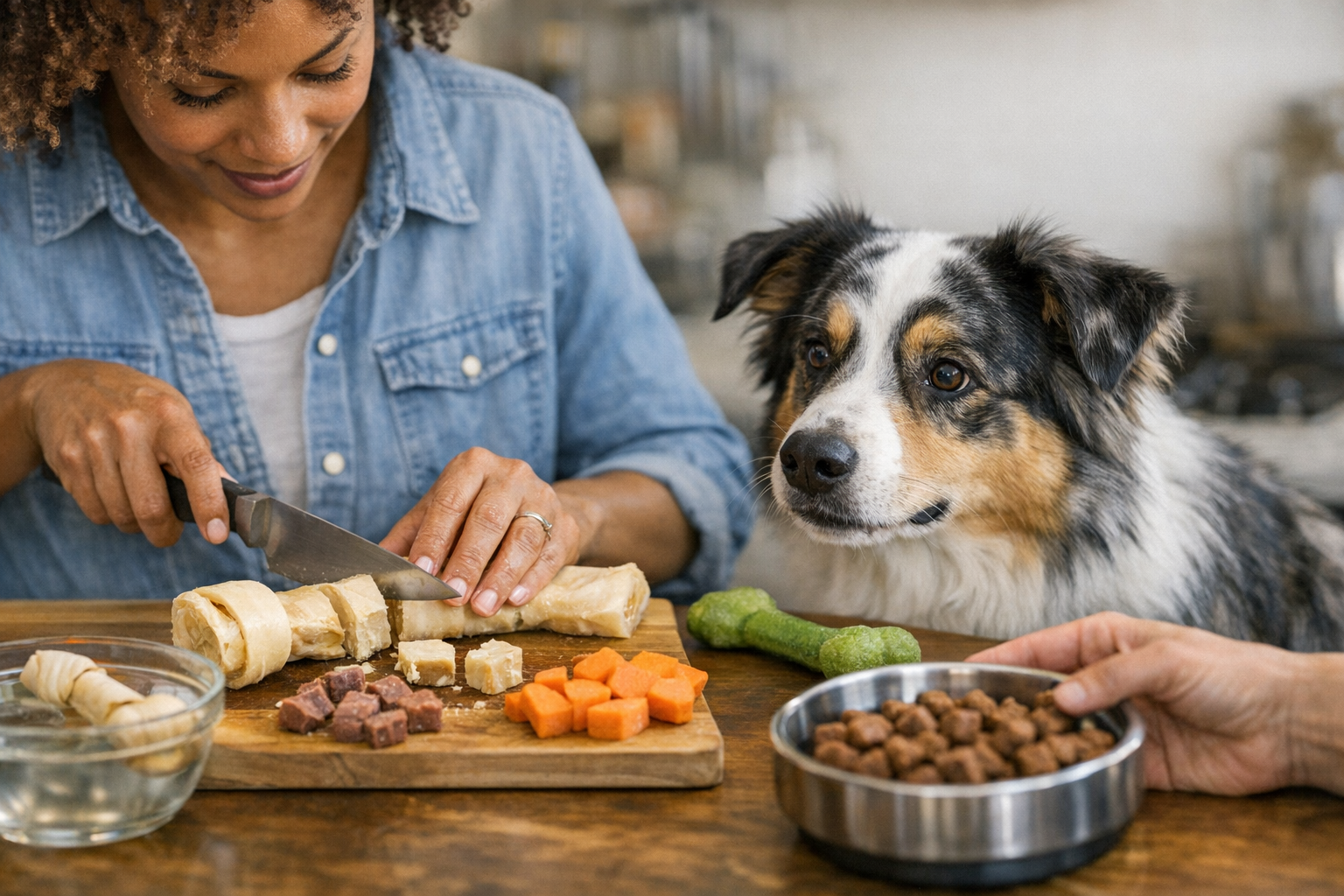
- Cut Hard Treats: For hard treats, consider cutting them into smaller, manageable pieces.
- Wet or Soften: Soften tough treats in warm water to make them easier to chew.
- Monitor While Eating: Always watch your pet as they enjoy their treats to quickly react if they show signs of choking.
- Consult Your Vet: Seek advice from your veterinarian to find safe treats specifically for your pet’s breed and size.
Best Products or Treat Types
Certain types of treats are generally safer for pets. Here are some ideal options:
- Soft Treats: These are less likely to cause choking and are easier to chew.
- Dental Chews: Made to break down easily, these help with dental health and pose a lower choking risk.
- Natural Soft Chews: Options made from real meat or vegetables can provide nutritious and safe alternatives.
- Cut Vegetables: Many pets enjoy raw carrots or sweet potatoes, but be sure to cut them into small pieces.
Common Mistakes to Avoid
Even the most well-meaning pet parent can make mistakes when it comes to serving treats. Here are some common pitfalls to avoid:
- Serving treats that are too large for your pet to manage.
- Ignoring your pet’s chewing habits and abilities.
- Not supervising your pet during treat time.
- Offering treats that are inappropriate for your pet’s age, size, or breed.
- Failing to check for allergens in treats before offering them to your pet.
FAQs
1. What types of treats are safest for small dogs?
Soft, small treats or cut-up veggies like carrots are ideal for small dogs.
2. How can I tell if my pet is choking?
Signs include gagging, pawing at the mouth, excessive drooling, or inability to breathe.
3. Are homemade treats safer than store-bought ones?
Homemade treats can be safer if prepared correctly, but always consider the ingredients and size.
4. How often should I give my pet treats?
Treats should make up no more than 10% of your pet’s daily caloric intake to maintain a healthy diet.
5. What should I do if my pet chokes?
Stay calm and check their mouth for the object. If they cannot breathe, perform the Heimlich maneuver or take them to a vet immediately.
Conclusion
Preventing choking hazards during treat time is essential for keeping our pets safe and healthy. By choosing the right types of treats, cutting them appropriately, and supervising your pets, you can enjoy treat time without worry. Remember, the health and happiness of your furry friend always come first!