
The Importance of Consistency in Treat-Based Training
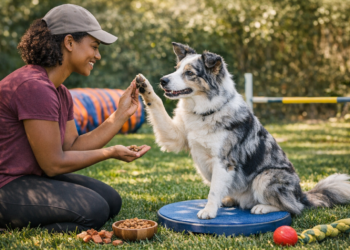
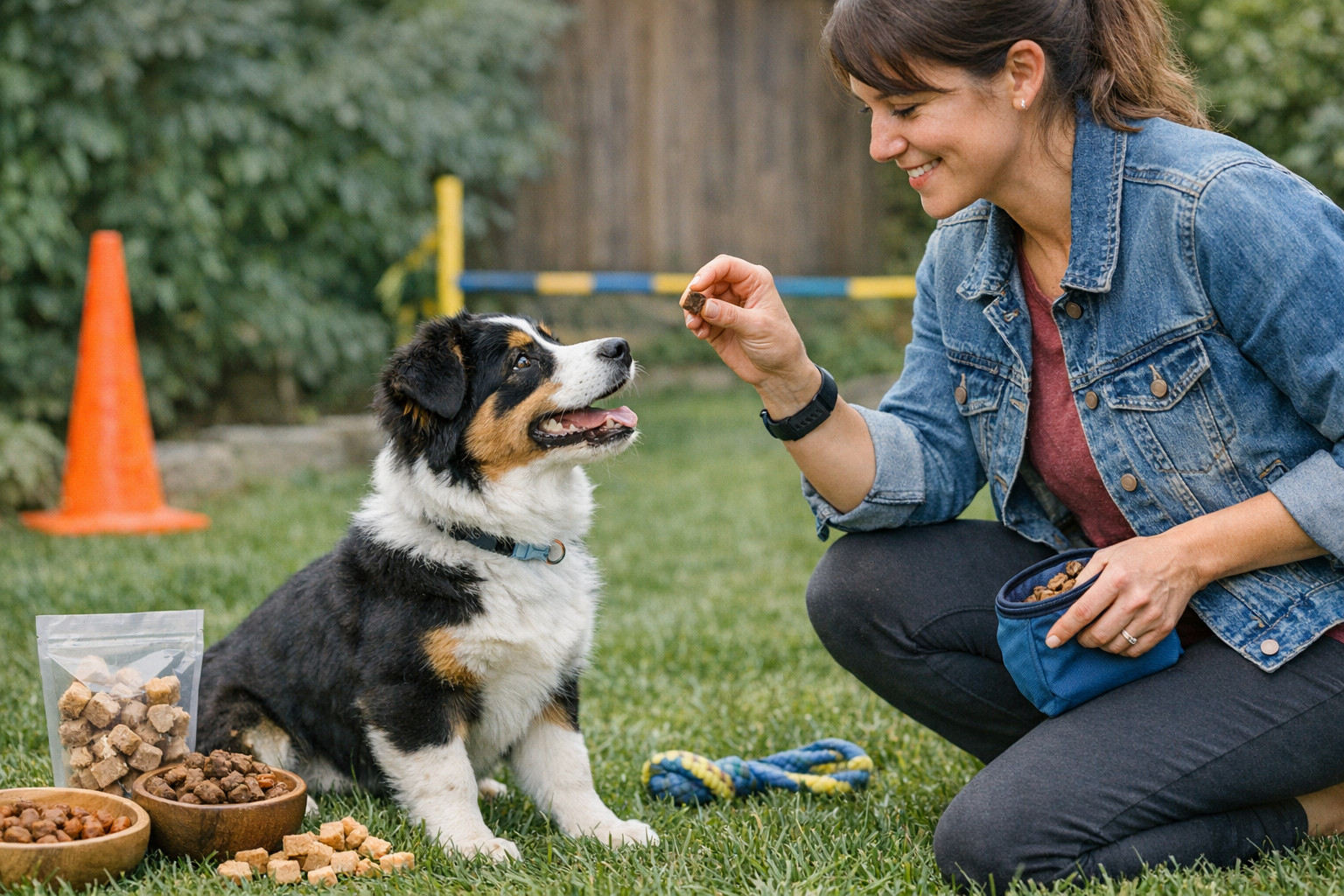
Treat-based training is a popular method among pet parents to teach their furry companions new tricks and good behavior. However, consistency is key to success. This article will explore why consistency matters, provide expert tips, and highlight common mistakes to avoid.
Why This Topic Matters for Pet Parents
As a pet parent, you want the best for your furry friend. Treat-based training can enhance the bond you share while teaching important skills. Consistency in how you use treats is essential to achieving desired outcomes. Here’s why this topic matters:
- Improves communication between you and your pet.
- Helps your pet learn faster and more effectively.
- Builds trust and strengthens your relationship over time.
Key Insights
Understanding treat-based training is essential for effective learning. Here are some key insights:
- Timing is vital: Give treats immediately after a desired behavior.
- Be clear and consistent: Use the same commands and signals each time.
- Use high-value treats: Find treats that are special and motivating for your pet.
- Short training sessions: Keep sessions brief to maintain your pet’s attention.
- Mix it up: Variety helps keep your pet engaged without confusing them.
Expert Tips
Veterinarians and pet trainers recommend several strategies for effective treat-based training. Here are some tips:
- Choose the right treats: Select small, soft treats that can be eaten quickly.
- Stay calm and positive: Your mood affects your pet; stay upbeat during training.
- Set realistic goals: Focus on one command or trick at a time to avoid overwhelming your pet.
- Practice regularly: Consistent practice reinforces what your pet learns.
- End on a positive note: Always finish training sessions with success to build confidence.
Best Products or Treat Types
When it comes to treat-based training, the type of treat is important. Here are some great options to consider:
- Soft chews: These are easy for pets to eat quickly and are often very tasty.
- Puppy training treats: Smaller size treats made for young dogs are perfect for training.
- Freeze-dried proteins: High-value and healthy, these pieces are usually a big hit with pets.
- Homemade treats: Consider making your own using pet-safe ingredients your furry friend loves.
- Natural, low-calorie options: These keep treats healthy without making pets gain weight.
Common Mistakes to Avoid
Even seasoned pet parents can make mistakes with treat-based training. Here’s what to avoid:
- Inconsistent timing: Treat your pet after the behavior, not later.
- Using too many treats: Overfeeding can lead to health issues; keep treats small.
- Neglecting verbal praise: Don’t forget to combine praise with treats for extra encouragement.
- Not varying treats: Using the same treats can make your pet lose interest.
- Training only sporadically: Regular practice is essential for retention.
FAQs
1. How often should I use treats during training?
Use treats frequently during training sessions, but ensure they are small to prevent overfeeding. Gradually decrease treats as your pet learns.
2. Can I use my pet’s regular food as treats?
Yes, for some pets, using their regular food can be effective. Just make sure they stay motivated, and adjust their meals accordingly.
3. What if my pet doesn’t respond to treats?
Try different types of treats to find what motivates your pet. Some pets may respond better to specific flavors or textures.
4. How long should training sessions last?
Keep training sessions short, around 5 to 10 minutes, to maintain your pet’s focus and enthusiasm.
5. Is it okay to use high-calorie treats?
Use high-calorie treats sparingly, especially if your pet is sedentary. Always account for them in their daily caloric intake.
6. How can I tell if my pet enjoys the treats?
If your pet eagerly takes the treat, wags their tail, and shows excitement, they likely enjoy it. If they refuse to take it, try something else.
Conclusion
Consistency in treat-based training is crucial for successful learning and behavior reinforcement. By understanding the key insights, following expert tips, and avoiding common mistakes, you can foster a strong bond with your pet while teaching them important skills. Remember, treat-based training can be a fun and rewarding experience for both you and your furry friend when done correctly!