
The Three D’s of Dog Training: Duration, Distance, and Distraction
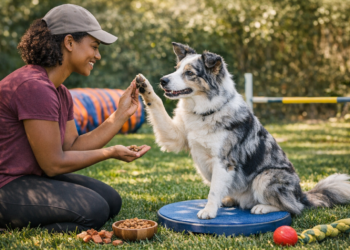
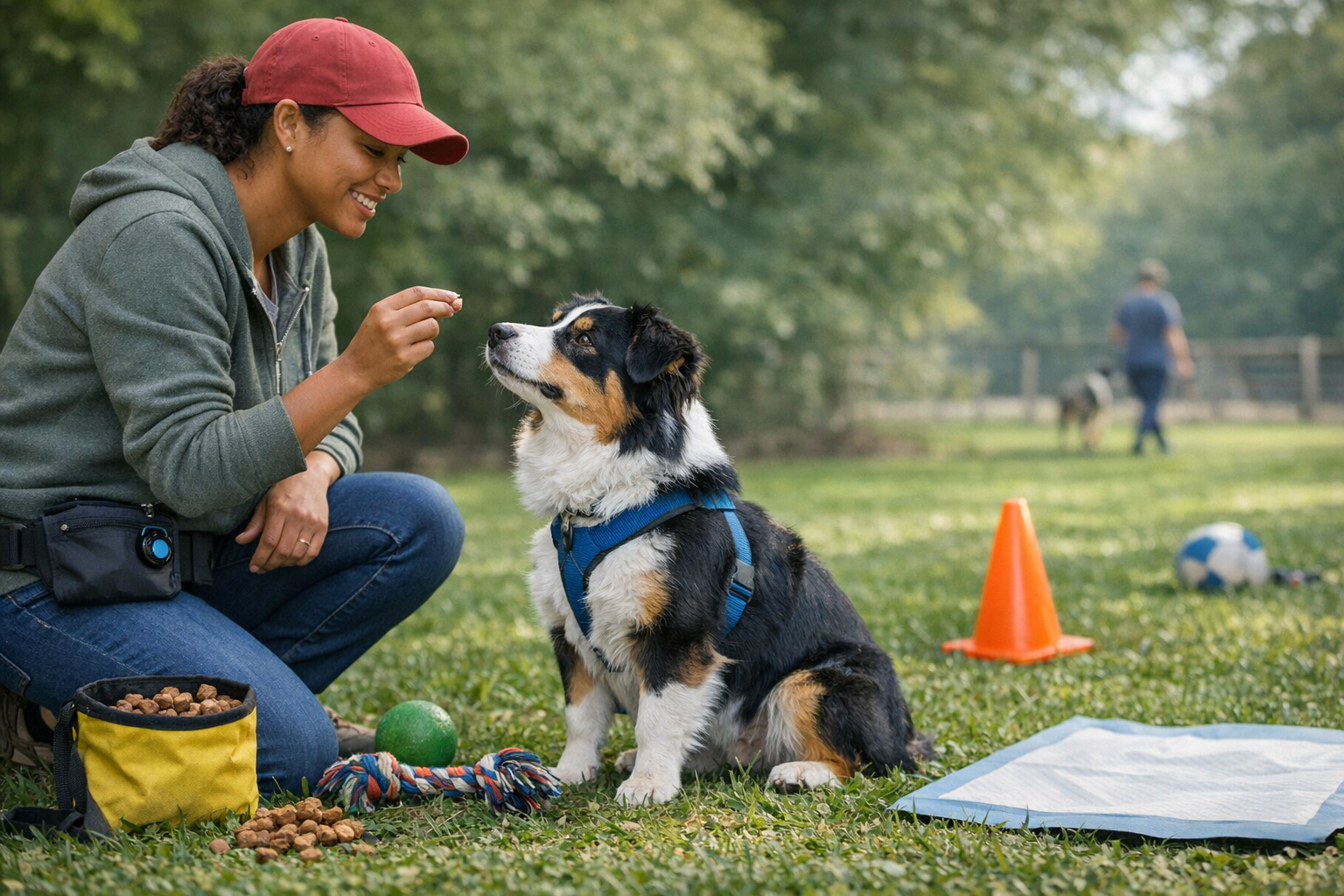
Training your dog can be a rewarding experience for both you and your furry friend. Focusing on the Three D’s: Duration, Distance, and Distraction helps create a well-trained pup. Each D plays a vital role in shaping your dog’s behavior and response to commands.
Why This Topic Matters for Pet Parents
Every pet parent wants a well-behaved dog. Understanding the Three D’s can improve your training sessions and strengthen your bond. Here’s why it’s important:
- Enhances communication between you and your dog.
- Improves your dog’s obedience and listening skills.
- Reduces unwanted behaviors and enhances safety.
Key Insights
To master the Three D’s of dog training:
- Duration: Gradually increase how long your dog holds a command or behavior. Start with a few seconds and build up.
- Distance: Teach your dog to respond to commands from varying distances. Begin close, then gradually move away.
- Distraction: Train in different environments with various distractions. This makes your dog more reliable in real-life situations.
Expert Tips
To optimize your training sessions, consider these veterinarian-style recommendations:
- Start Small: Use brief training sessions, about 5-10 minutes, to maintain your dog’s attention.
- Positive Reinforcement: Always reward your dog with treats or praise when they successfully complete a command.
- Consistency Is Key: Use the same commands and gestures for each behavior to avoid confusion.
- Patience Matters: Be patient if your dog struggles. Every dog learns at their own pace.
- Mix It Up: Change your environment during training to expose your dog to different sights, sounds, and smells.
Best Products or Treat Types
Using the right products can enhance your dog’s training experience. Here are some good choices:
- Training Treats: Small, soft, and high-value treats help keep your dog motivated.
- Clicker: A clicker can be used for marking desired behaviors instantly.
- Leashes and Harnesses: These help create safe distances during training sessions.
- Toys: Interactive toys can be useful as rewards or distractions for advanced training.
- Training Pads: Can be helpful for house training while understanding duration commands.
Common Mistakes to Avoid
Here’s a list of common pitfalls to steer clear of during training:
- Overstaying Your Session: Long sessions can lead to boredom. Keep it short and engaging.
- Inconsistent Commands: Use the same words and gestures consistently to avoid confusing your dog.
- Ignoring the Environment: Train in different settings to prepare your dog for real-world distractions.
- Skipping Treats: Reward your dog appropriately to keep them motivated.
- Failing to Assess Progress: Regularly check how well your dog is responding to commands to adjust your training approach.
FAQs
1. How long should I train my dog each day?
Keep training sessions to about 5-10 minutes. Multiple short sessions throughout the day work best.
2. What types of distractions should I use?
Start with simple distractions like toys or noises, then gradually increase to more complex environments such as parks or busy streets.
3. Can I train my dog without treats?
Yes, but treats are a powerful motivation! You can also use praise, toys, or playtime as rewards.
4. How do I know if my dog is ready for more distractions?
If your dog consistently follows commands in a quiet environment, it’s time to add some distractions gradually.
5. What if my dog doesn’t respond to commands?
Backtrack and review lower stages of Duration, Distance, and Distraction. Make sure you’re using positive reinforcement effectively.
6. How do I increase distance in training?
Start training close to your dog, then gradually ask for commands from further away, ensuring your dog successfully responds at each distance.
Conclusion
Understanding the Three D’s of dog training is crucial for pet parents. Focusing on Duration, Distance, and Distraction not only makes training more effective but also helps your dog become a well-behaved member of your family. By avoiding common mistakes, using effective tips, and applying the right training methods, you can set your dog up for success. After all, a well-trained dog leads to a happier, healthier life for both you and your furry friend.