


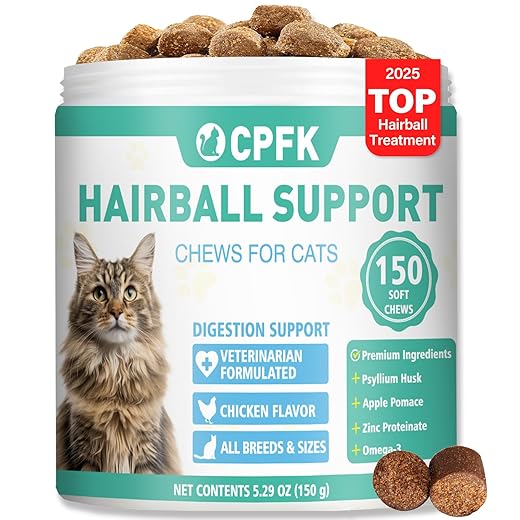
If your cat coughs, hacks, or leaves surprise hairballs around the house, you’re definitely not alone. Hairballs are incredibly common—especially in long-haired breeds—but the good news is that the right hairball-control treats can dramatically reduce or even eliminate the problem.
This 2025 guide breaks down the best cat treats for hairball prevention, plus the ingredients to look for, what vets recommend, and how often to give them. Let’s make your cat more comfortable (and your floors a lot cleaner).
Why Cats Get Hairballs in the First Place
Cats groom themselves constantly. When they lick their fur, they swallow loose hairs. Normally, that hair passes through the digestive system without any issues.
But when hair builds up faster than your cat can push it out…
you get a hairball.
The biggest causes:
- Long or thick fur (especially Maine Coons, Persians, Ragdolls)
- Seasonal shedding
- Dry skin or poor coat quality
- Excessive grooming due to stress
- Digestive sluggishness
- Low-fiber diets
- Older cats (weaker GI motility)
A good hairball-control treat supports three things:
- Better digestion
- Better coat health
- Less shedding and looser fur
Ingredients That Help Reduce Hairballs
Not all treats are effective—only those with real functional ingredients actually help move hair through the GI tract.
Here’s what works:
✔ Fiber (the #1 must-have)
Fiber helps move hair through the digestive tract.
Top sources:
- pumpkin
- cellulose
- flaxseed
- brown rice
- beet pulp
✔ Healthy Oils
Lubricate the digestive tract so hair moves smoothly.
Look for:
- salmon oil
- safflower oil
- coconut oil
- flaxseed oil
✔ Omega-3 fats
Reduce shedding and improve skin/coat health.
✔ Prebiotics or probiotics
Support smoother stool consistency (which helps move hair out naturally).
✔ Limited Ingredients
Cats with sensitive stomachs do better with simpler ingredient lists.
Ingredients to Avoid in Hairball Treats
Many grocery-store “hairball treats” contain fillers and artificial additives that may worsen digestive issues.
Skip treats with:
- corn as the first ingredient
- artificial colors
- artificial flavors
- high sugar content
- heavy wheat or soy fillers
These don’t support hairball control—and can irritate sensitive stomachs.
The 2025 Top Hairball-Control Cat Treats (Vet-Approved & Reviewed)
Let’s break down the best options this year based on ingredient quality, effectiveness, cat taste-tests, and veterinary input.
1. Greenies Hairball Control Treats — Best Overall
Greenies continues to be a top pick for hairball prevention because they combine moderate fiber, vitamins, and a crunchy texture that helps remove loose fur from the tongue.
Why it works:
- Fiber blend helps digestion
- Crunchiness reduces loose hairs during grooming
- Cats LOVE the flavor (palatability score is extremely high)
- Vitamin E supports coat health
Best for:
Daily maintenance for most cats—especially short-haired cats who hack occasionally.
2. Temptations Hairball Control — Best Budget-Friendly Pick
Temptations’ formula includes added fiber and omega-3s at a super affordable price.
Pros:
- Very tasty (most cats go wild for these)
- Crunchy outside, soft inside
- Good amount of fiber
- Easy to find in stores
Best for:
Budget-conscious owners who want something that works and is super appealing to picky cats.
3. Feline Greenies SmartBites Digestive Care — Best for Sensitive Stomachs
These are a step up from regular Greenies because they contain prebiotics, which improve gut health and help move hair through smoothly.
Why it stands out:
- Added prebiotic fiber
- Good for cats with mild vomiting or soft stools
- Great for digestion AND hairball reduction
Best for:
Older cats or cats with known digestive issues.
4. Inaba Churu Skin & Coat Hairball Recipe — Most Hydrating Option
These are lickable puree treats—highly hydrating and incredibly tasty.
Why it helps with hairballs:
- Hydration = smoother digestion
- Contains omega-3 oils
- Includes vitamin E for skin & coat
- Very gentle on sensitive stomachs
Best for:
Cats who refuse crunchy treats or need extra moisture.
5. Hartz Hairball Control Soft Chews — Best Soft Treat for Senior Cats
Soft treats are easier for older cats or cats with dental issues.
Pros:
- Very soft and easy to chew
- Added oils help move hair through
- Includes taurine (important for cat heart health)
Best for:
Senior cats or cats with dental problems.
6. Vet’s Best Hairball Relief Digestive Aid — Best Functional Formula
These are technically supplements but shaped like treats.
Key ingredients:
- slippery elm
- pumpkin powder
- psyllium fiber
- marshmallow root
Why it works:
Botanicals soothe the digestive tract and provide natural lubrication.
Best for:
Cats with frequent or stubborn hairballs.
7. Nutri-Vet Hairball Paw-Gel — Best Gel Alternative
Not a crunchy treat—but extremely effective.
Why cats love it:
- Can be smeared on the paw
- Cats lick it clean
- Strengthens the digestive tract
- Lubricates intestinal walls
Best for:
Cats who don’t like crunchy or chewy treats.
8. Fruitables Hairball Control Crunchy Treats — Best Natural Option
Made with high-fiber fruits and veggies.
Hero ingredients:
- pumpkin
- apple
- fiber blend from natural sources
Why it stands out:
- Very clean ingredient panel
- Low calorie
- Natural digestibility
Best for:
Owners who prefer natural, low-processed snacks.
9. Tiki Cat Soft & Silky Salmon Treats — Best for Shedding Reduction
Omega-rich salmon helps reduce shedding, which reduces hairball formation overall.
Benefits:
- High moisture
- Soft texture
- Skin-supporting ingredients
- Good for sensitive cats
Best for:
Cats who shed heavily and need coat support.
10. Whole Life Just One Ingredient Salmon — Best Single-Ingredient Option
Freeze-dried salmon—nothing else. Clean, natural, and allergy-friendly.
Why it’s effective:
- Omega-3s improve coat health
- Reduces loose hair
- Highly digestible
Best for:
Cats with food sensitivities who still need hairball support.
How Often Should You Give Hairball Treats?
Most hairball treats recommend 8–12 treats per day, but here’s a smarter breakdown:
Short-haired cats
4–6 treats per day
(a few times a week may be enough)
Long-haired cats
8–12 treats per day
(during shedding season, daily is best)
Senior cats
Use soft or pureed options daily.
Cats with chronic hairballs
Add wet food, grooming, and hydration strategies.
Extra Tips to Reduce Hairballs Naturally
Treats help—but they shouldn’t be the only solution.
✔ 1. Brush your cat regularly
Removes loose fur before they can swallow it.
✔ 2. Increase hydration
Wet food + lickable treats + cat water fountain.
✔ 3. Add omega-3 supplements
Reduces shedding big-time.
✔ 4. Try digestive probiotics
Helps cats pass hair more easily.
✔ 5. Keep your home humidity up
Reduces dry skin and loose fur.
✔ 6. Switch to a hairball-control food
Especially for heavy shedders.
Signs Your Cat’s Hairballs Might Be a Problem
Most hairballs are normal—but some symptoms require a vet visit.
See your vet if you notice:
- vomiting multiple times per week
- wheezing without producing a hairball
- constipation
- sudden appetite loss
- lethargy
- weight loss
- bloated stomach
These could indicate a blockage or underlying digestive issue.
Final Recommendations — Best 2025 Hairball Treats
Best Overall:
➡ Greenies Hairball Control
Best for Sensitive Stomachs:
➡ Greenies SmartBites Digestive Care
Best Hydrating Option:
➡ Inaba Churu Skin & Coat
Best Natural Option:
➡ Fruitables Hairball Control
Best for Senior Cats:
➡ Hartz Soft Chews
Best Premium Single-Ingredient:
➡ Whole Life Just Salmon
Conclusion
Hairballs don’t have to be a frustrating part of cat ownership. With the right combination of treats, hydration, coat care, and nutrition, your cat can enjoy a far more comfortable digestive experience—and you can enjoy fewer surprise “presents” around the house.