

Troubleshooting Treat Motivation: What to Do When Your Dog Stops Caring
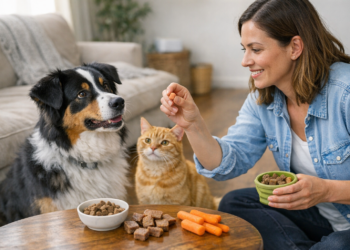
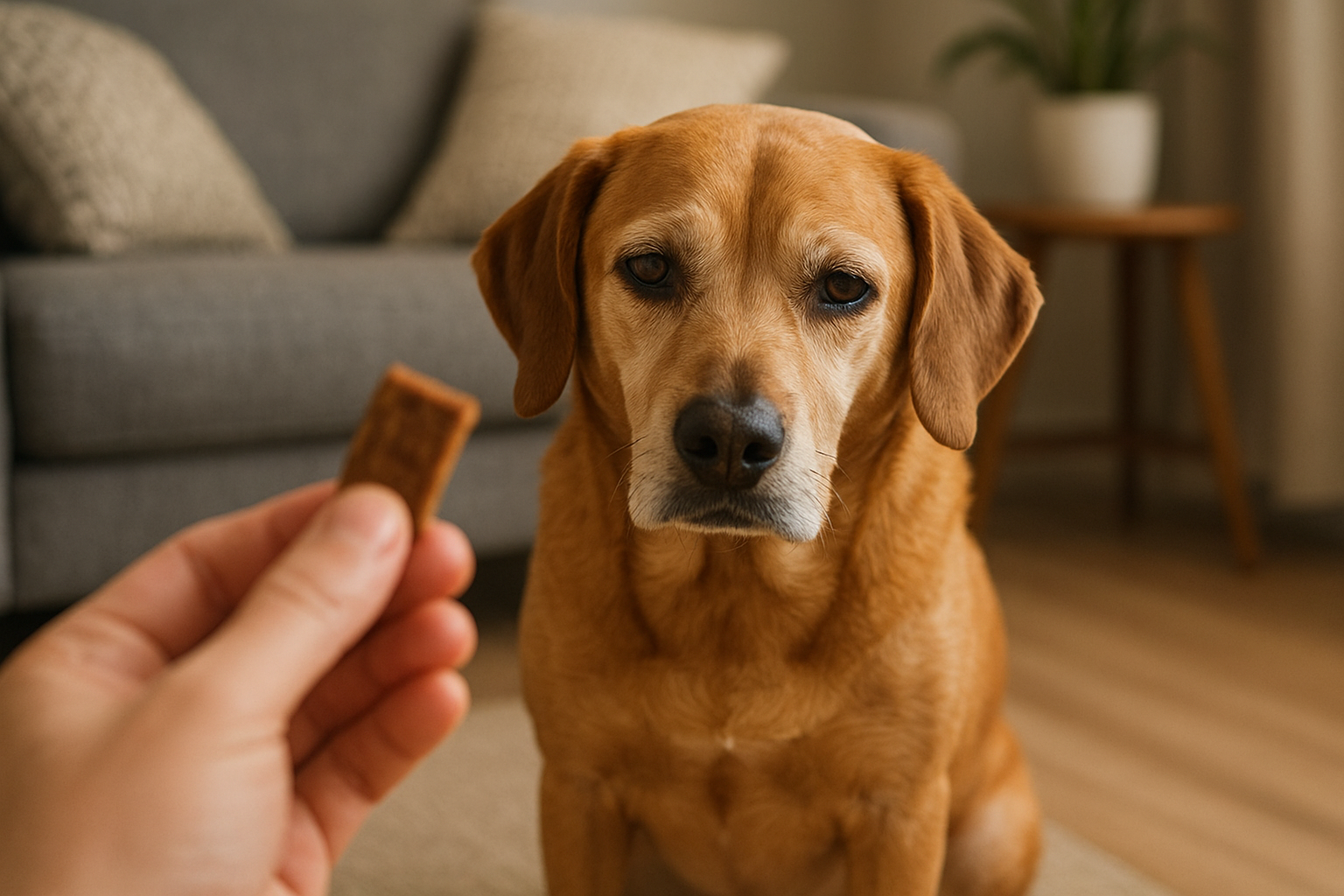
As pet parents, we love to reward our furry friends with tasty treats. However, it can be concerning when your dog suddenly loses interest in them. Understanding why this happens and how to address it is crucial for their motivation and overall happiness.
Why This Topic Matters for Pet Parents
When your dog stops caring about treats, it can affect training, bonding, and their overall behavior. This topic matters because:
- It helps maintain a positive training experience.
- Understanding your dog’s needs can strengthen your relationship.
- A lack of interest in treats may indicate health issues.
Key Insights
Here are some important points to remember when troubleshooting treat motivation:
- Dogs can become bored with the same treats.
- Health issues may lead to a decreased interest in food.
- Stress and changes in environment can affect appetite.
- Age can impact a dog’s taste preferences.
- Quality of treats matters; fresher options are often more enticing.
Expert Tips
Veterinarians offer valuable advice to help reignite your dog’s interest in treats:
- Evaluate Health: Schedule a vet visit to rule out any medical conditions.
- Mix It Up: Introduce new flavors and textures to keep things exciting.
- Use Treats as Rewards: Incorporate treats into training sessions or as rewards for good behavior.
- Check Treat Freshness: Ensure treats are not stale or expired, as this can deter interest.
- Limit Treats Before Meals: Consider when and how often your dog is rewarded to maintain motivation.
Best Products or Treat Types
Choosing the right type of treat can make all the difference. Consider these options:
- Soft Chewy Treats: These are often more appealing, especially for older dogs.
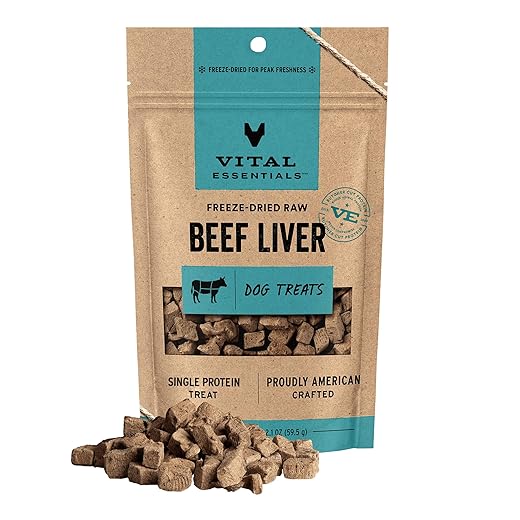
- Freeze-Dried Treats: These retain flavor and nutrients and are often irresistible.
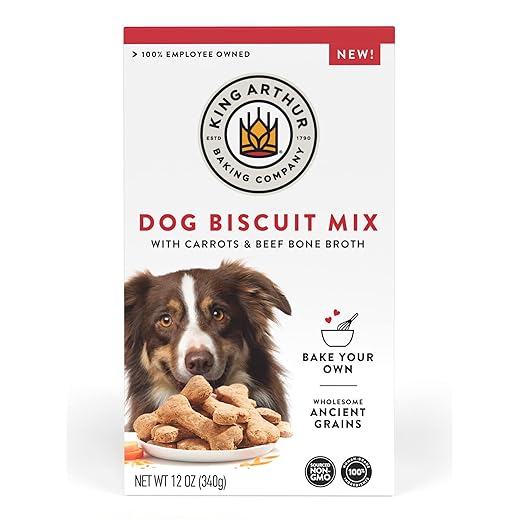
- Homemade Treats: Making your treats allows you to control ingredients and flavors.
- Natural and Organic Options: Look for products with minimal additives and preservatives.
- Functional Treats: Treats that support dental health or joint care can be both tasty and beneficial.
Common Mistakes to Avoid
Here are some frequent errors that can lessen treat motivation:
- Using Low-Quality Treats: Poor-quality ingredients can deter interest.
- Offering Treats Too Frequently: This can lead to boredom and lessen their value.
- Ignoring Your Dog’s Preferences: Not all dogs like the same flavors or textures.
- Not Considering Health Changes: Always check for changes in health before assuming lack of motivation is behavioral.
- Not Staying Consistent: Consistency in training and reward systems is key for motivation.
FAQs
1. Why does my dog suddenly stop liking treats?
Dogs may lose interest in treats due to boredom, health issues, or changes in their environment. It’s essential to evaluate these factors carefully.
2. How can I tell if my dog is sick?
Signs include changes in appetite, energy levels, and behavior, as well as vomiting or diarrhea. If you notice any concerning symptoms, consult a veterinarian.
3. Are homemade treats a good idea?
Yes! Homemade treats can provide better quality and freshness compared to store-bought options. Just be sure to use dog-safe ingredients.
4. How can I make treats more appealing?
Try warming them slightly, adding flavors that your dog enjoys, or use treats during playtime or training to make them more special.
5. How many treats is too many?
It’s best to keep treats to less than 10% of your dog’s daily calorie intake to maintain a healthy diet.
6. What types of treats should I avoid?
Avoid treats with artificial additives, high sugar content, and those made from low-quality ingredients. Always read labels carefully.
Conclusion
When your dog stops caring about treats, it can be frustrating but manageable. By understanding the reasons behind their behavior and following veterinary advice, you can reignite their interest and strengthen your bond. Keep experimenting with treats, and remember that your dog’s health and preferences should always come first. Happy treating!