


Crate Training Made Easy: Using Lick Mats and Calming Chews
Crate training your pet can be a rewarding experience for both you and your furry friend. By using tools like lick mats and calming chews, you can ease the process and create a positive environment for your pet in their crate. This article will guide you through the essentials of crate training and how to use these resources effectively.
Why This Topic Matters for Pet Parents
Crate training is a crucial skill for pet owners. It offers a safe space for your pet and helps with various aspects of their behavior, such as house training and reducing anxiety. Understanding how to crate train effectively can lead to a happier, healthier pet and a more harmonious home.
Key Insights
- Crates provide a secure, den-like environment for pets.
- Lick mats can keep pets entertained and calm while in the crate.
- Calming chews can help reduce anxiety during training.
- Positive reinforcement is key for successful crate training.
- Routine is important; pets thrive on it.
Expert Tips
Veterinarian-style recommendations can make a real difference in how your pet adapts to crate training.
- Introduce the Crate Slowly: Allow your pet to explore the crate on their own terms. Place it in a common area and let them sniff and enter it freely.
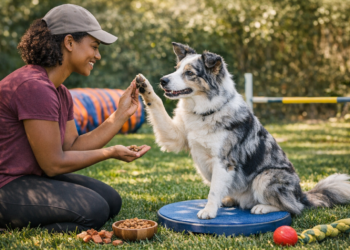
- Use Positive Reinforcement: Reward your pet with treats or praise whenever they enter the crate willingly.
- Make it Comfortable: Add soft bedding or blankets and a few of their favorite toys to make the crate inviting.
- Time It Right: Start with short stays in the crate, gradually increasing the duration as your pet becomes more comfortable.
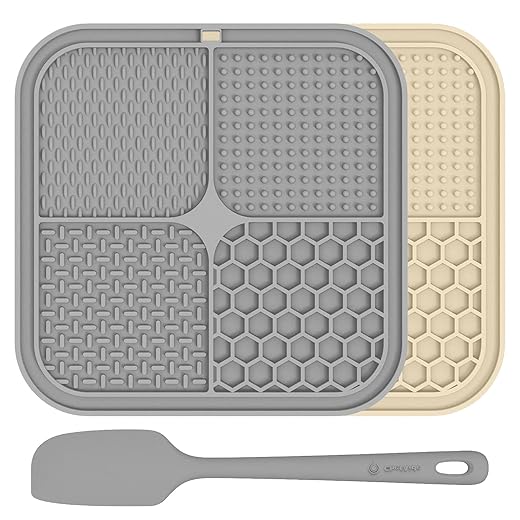
- Utilize Lick Mats: Spread some peanut butter or pet-safe spread on the lick mat to keep your pet busy while in the crate.
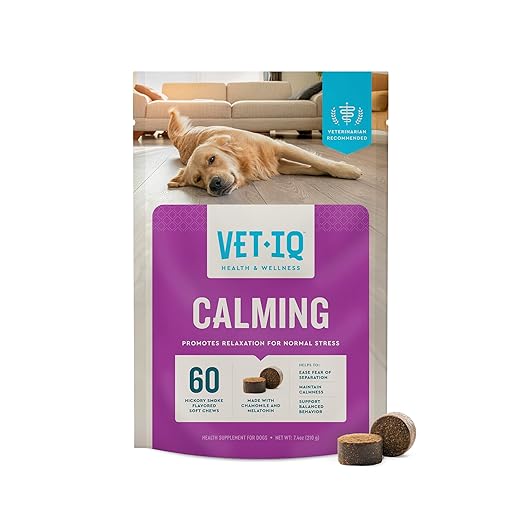
- Try Calming Chews: Serve calming chews about 30 minutes before crate time to help soothe your pet’s nerves.
Best Products or Treat Types
When choosing products to aid in crate training, consider the following types:
- Lick Mats: Look for mats made from durable, non-toxic materials that can hold your pet’s favorite spreads.
- Calming Chews: Seek out natural ingredients like chamomile, valerian root, or CBD, known for their soothing effects.
- Crate Padding: Invest in comfortable padding or bedding that is washable and easy to clean.
- Toys: Choose interactive toys that can keep your pet engaged, such as puzzle toys or treat-dispensing toys.
Common Mistakes to Avoid
Avoid these common pitfalls to ensure successful crate training:
- Using the Crate as Punishment: Never use the crate to punish your pet. It should be a safe haven, not a punishment zone.
- Rushing the Process: Take your time. Forcing your pet into the crate too quickly can increase fear and anxiety.
- Ignoring Signs of Stress: Pay attention to your pet’s body language. If they seem anxious, take a step back and let them adjust.
- Leaving the Pet in the Crate Too Long: Ensure your pet is not crated for extended periods, especially puppies who need frequent bathroom breaks.
- Failure to Establish a Routine: Lack of consistency can confuse your pet. Stick to a schedule for crate time and bathroom breaks.
FAQs
1. How long should I crate my pet?
Start with short durations, about 10-15 minutes, gradually increasing based on your pet’s comfort level. Adult dogs can typically stay crated for 4-6 hours, while puppies need more frequent breaks.
2. Can I leave food and water in the crate?
It’s generally best to remove food and water while training, especially for puppies, to avoid accidents. Once they are fully crate trained, you can adjust this as needed.
3. What if my pet barks in the crate?
Barking may indicate discomfort or a need for attention. Ensure they are comfortable and have plenty of exercise, but don’t reward barking with attention.
4. At what age can I start crate training?
Crate training can begin as soon as you bring your puppy home, usually around 8 weeks of age. Older dogs can also benefit from crate training, though it may take longer for them to adjust.
5. How do I clean the crate if there is an accident?
Use an enzymatic cleaner designed for pet messes to eliminate odors and stains. Proper cleaning will help prevent your pet from returning to the same spot in the crate.
Conclusion
Crate training your pet can be a fulfilling journey, especially when using lick mats and calming chews to ease the process. By understanding the importance of positive reinforcement and following expert tips, you can create a safe and comfortable environment for your pet. Remember to avoid common mistakes and maintain a consistent routine. With patience and love, your pet can learn to enjoy their crate as a cozy retreat in your home.