

Teaching Dogs to Love Nail Trims with Distraction Treats
Nail trimming can be a stressful experience for both dogs and their owners. With the right techniques, you can make this grooming necessity a positive one. Using distraction treats can help your dog associate nail trims with fun and rewards, leading to easier experiences in the future.
Why This Topic Matters for Pet Parents
Keeping your dog’s nails trimmed is important for their health and comfort. Overgrown nails can lead to pain, difficulties walking, or even injuries. However, many dogs dislike the process, causing stress for both the pet and owner. Teaching dogs to enjoy or at least tolerate nail trims can save time and reduce anxiety.
Key Insights
- Nail trimming is essential for your dog’s health.
- Many dogs fear nail clippers due to negative past experiences.
- Using distraction treats helps create positive associations with nail trims.
- Consistency and patience during training lead to better outcomes.
- Creating a calm environment can make the process smoother.
Expert Tips
Veterinarians suggest several techniques to help make nail trimming easier for your dog:
- Start Young: Introduce nail trimming as early as possible. Puppies are more adaptable and can learn to accept the process.
- Choose the Right Time: Pick a moment when your dog is calm and relaxed. After a walk or play session may be ideal.
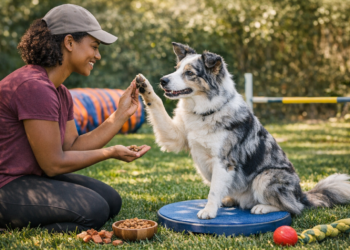
- Use Positive Reinforcement: Reward your dog with treats or praise immediately after each successful trim. This encourages good behavior.
- Desensitize Gradually: Let your dog sniff and explore the clippers before using them. Gradually introduce the sound and motion involved.
- Break It Down: Don’t feel pressured to trim all nails at once. Take breaks and reward your dog for each nail trimmed.
Best Products or Treat Types
Choosing the right treats can make a big difference during nail trims. Here are some suggestions:
- Soft Treats: Choose easy-to-chew, soft treats your dog loves.
- High-Value Treats: Use special treats that your dog gets only during nail trims to keep them engaged.
- Puzzle Toys: Consider toys that hold treats, keeping your dog busy while you trim.
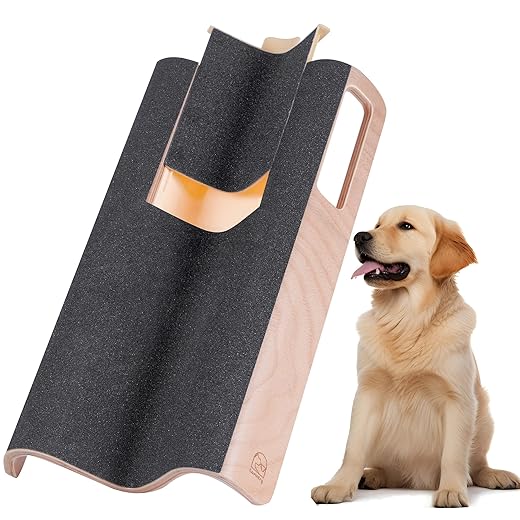
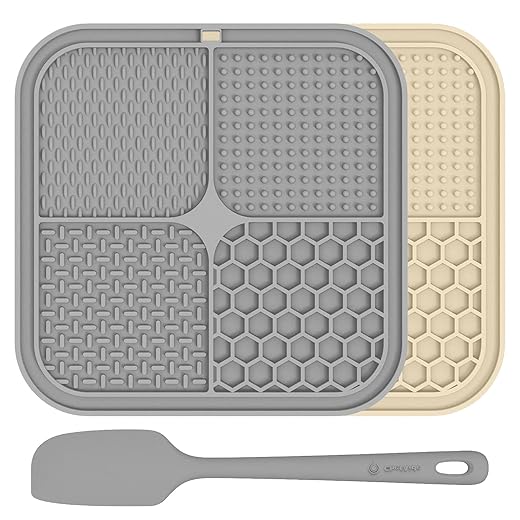
- Peanut Butter: Placing peanut butter on a lick mat can be a great distraction.
- Training Treats: Small, low-calorie training treats are perfect for a continuous reward system.
Common Mistakes to Avoid
- Rushing the Process: It’s important not to hurry through the trim. This can scare your dog and make them less likely to cooperate next time.
- Punishing Behavior: Avoid scolding your pet if they resist. This creates a negative association with nail trimming.
- Ignoring Signs of Fear: If your dog is trembling or trying to escape, stop and try again later. Overwhelming them can lead to a lack of trust.
- Using Dull or Unsafe Tools: Ensure your clippers or grinders are sharp and safe to prevent injuries.
- Skipping Rewards: Always include treats, as skipping rewards can make your dog anxious about upcoming trims.
FAQs
1. How often should I trim my dog’s nails?
Aim to trim your dog’s nails every 3-4 weeks, but it can vary based on activity level and dog breed.
2. What if my dog won’t let me trim their nails?
If your dog is too anxious, try desensitization techniques. Start by handling their paws gently and rewarding them without trimming.
3. Can I use human nail clippers on my dog?
It’s best to use clippers designed for dogs, as they are specifically made for different nail thicknesses and avoid injury.
4. Are there any natural calming agents I can use?
Some pet parents find that natural calming treats or pheromone sprays can help reduce anxiety during nail trims.
5. What if I accidentally cut the quick?
If you cut the quick and your dog bleeds, apply a styptic powder or cornstarch to stop the bleeding and comfort your dog.
6. When should I seek professional help for nail trimming?
If you’re unable to trim your dog’s nails after several attempts, consider professional grooming to help build your dog’s comfort level.
Conclusion
Teaching your dog to enjoy nail trims with distraction treats can ease anxiety and create a positive environment. With patience, practice, and the right rewards, you’ll improve your dog’s experience during grooming. Remember, the goal is to create trust and make the process as smooth as possible for both of you. Happy trimming!