
Treat Management for Reactive Dogs: Keeping Focus and Calm
Managing a reactive dog can be tough for pet parents. Using treats effectively can help keep your dog calm and focused during stressful situations. This guide will share strategies for treat management that can make a positive difference in your dog’s behavior.
Why This Topic Matters for Pet Parents
Reactive dogs may react to certain triggers, like other dogs or loud noises. Understanding treat management can help you control these reactions better. Here’s why it matters:
- Improves your dog’s social skills.
- Reduces stress for both you and your dog.
- Enhances training effectiveness.
- Strengthens your bond with your pet.
Key Insights
- Treats can be powerful tools during training.
- Use high-value treats for challenging situations.
- Timing your treat delivery matters—reward the calm behavior immediately.
- Stay calm yourself, as dogs can sense your emotions.
- Practice in low-distraction environments before moving to more challenging ones.
Expert Tips
Here are some recommendations from pet experts and veterinarians on managing treats for reactive dogs:
- Consult a veterinarian or a professional dog trainer to develop a personalized plan.
- Use small, soft treats for quick consumption—this keeps your dog focused on the task.
- Consider using clicker training along with treats for quicker responses.
- Introduce treats in controlled settings. Gradually apply them in more distracting places.
- Monitor your dog’s weight to avoid obesity from excessive treats during training.
Best Products or Treat Types
Some great choices for treats that work well with reactive dogs include:
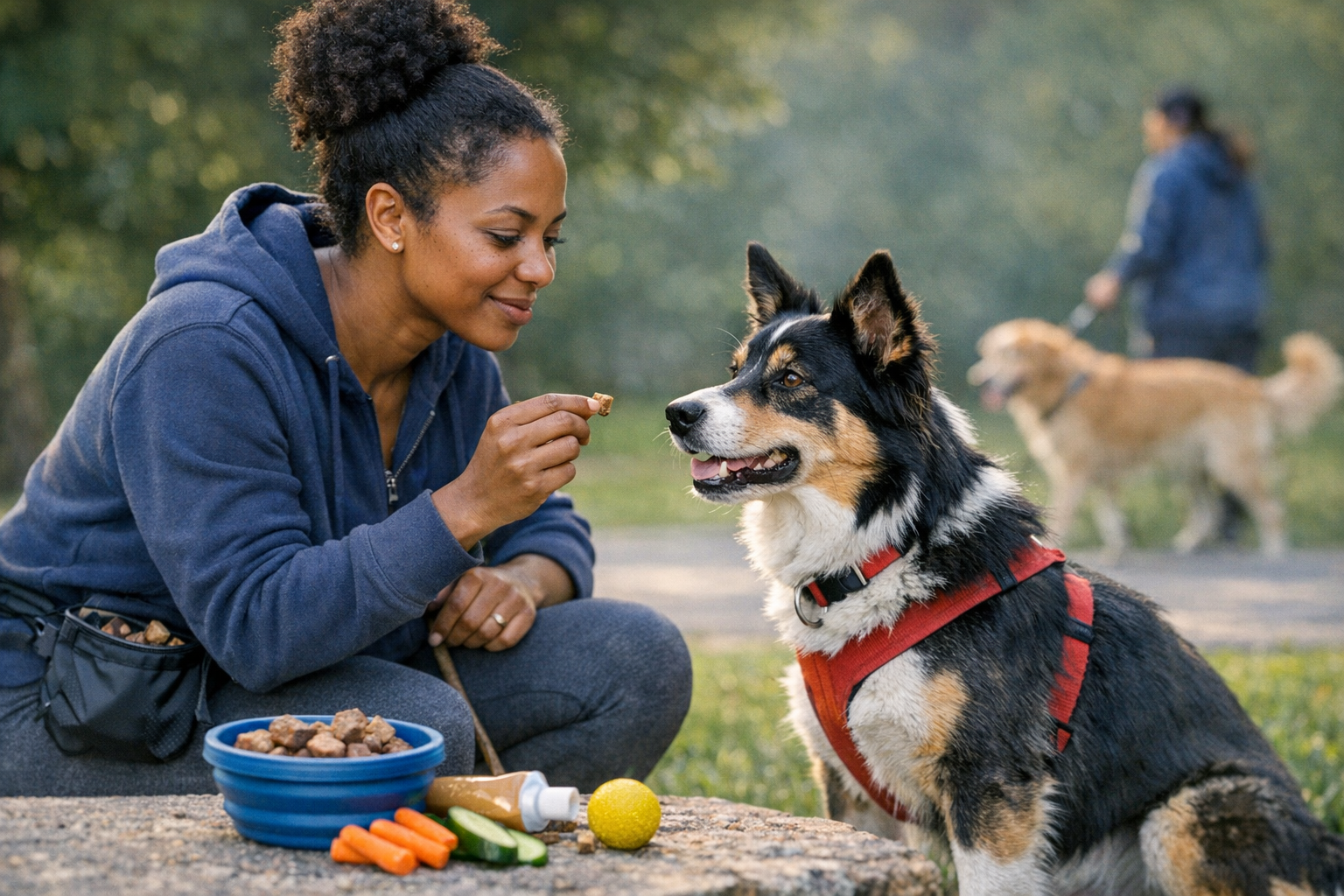
- Soft Chews: Easy to eat quickly and can be broken into smaller pieces.
- Freeze-Dried Meat: Very high value and appealing to most dogs.
- Peanut Butter: Can be smeared on toys or licked from a container for a fun treat.
- Training Treats: Specifically made small treats that are low-calorie and easy to carry.
- Fresh Veggies: Small pieces of carrot or cucumber can be a healthy alternative.
Common Mistakes to Avoid
Here are some pitfalls to watch out for when managing treats for reactive dogs:
- Using low-value treats that don’t motivate your dog.
- Rewarding bad behavior or reactions instead of calmness.
- Not being consistent with your training and treat giving.
- Neglecting to gradually expose your dog to triggers.
- Overusing treats without balancing them with regular dog food.
FAQs
1. What are reactive dogs?
Reactive dogs are sensitive to certain stimuli, like other dogs or loud noises, and may bark, lunge, or show fear when they encounter these triggers.
2. How often can I give treats during training?
Use treats frequently during training sessions, but ensure you adjust your dog’s meals to prevent weight gain.
3. What should I do if my dog refuses treats during reactive moments?
Some dogs may be too stressed to eat. Focus on calming your dog first, then offer treats in a calm setting later.
4. Are there any health issues I should consider with treat management?
Yes, always consider your dog’s health conditions like allergies or obesity. Consult your vet for suitable treat options.
5. Can I use toys instead of treats?
Absolutely! Toys can be great motivators. Just ensure they keep your dog’s attention and can be used in similar stress-management scenarios.
Conclusion
Managing treats effectively can greatly improve your reactive dog’s behavior. By focusing on high-value treats, timing, and consistency, you can help your pet stay calm and focused in challenging situations. A little effort in understanding your dog’s needs can go a long way towards creating a harmonious environment for both of you.