

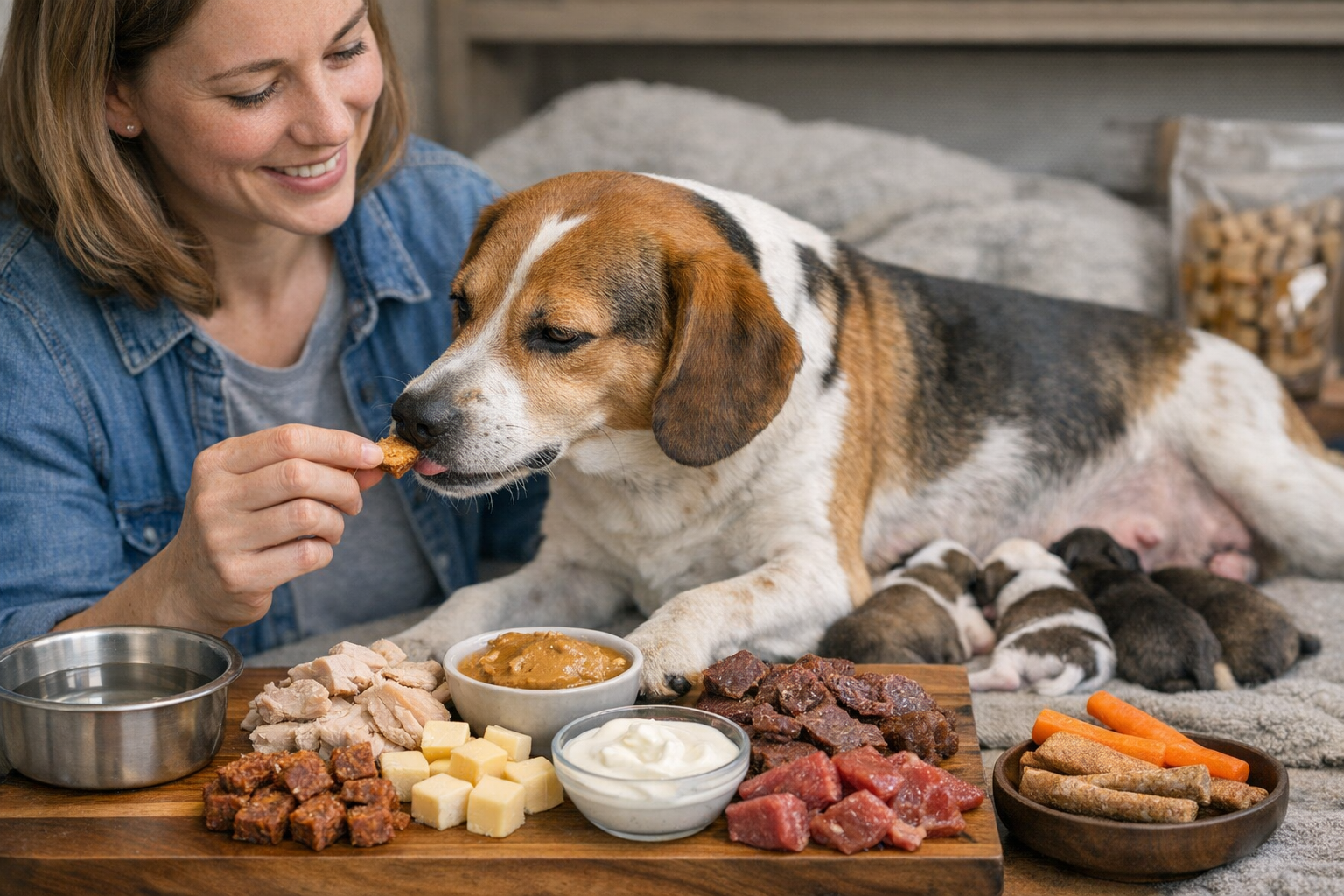
Best Treats for Pregnant and Nursing Dogs (Calorie and Nutrient-Rich)
As a pet parent, you want to provide the best care for your dog, especially when she’s pregnant or nursing. This article will guide you through the best treats that offer essential calories and nutrients. You’ll learn why these treats matter, what to look for, and some common mistakes to avoid.
Why This Topic Matters for Pet Parents
Understanding the nutritional needs of pregnant and nursing dogs is crucial. The right treats can support their health and the well-being of their puppies. Here are a few reasons why this topic is important:
- It helps maintain the mother’s health during pregnancy and lactation.
- Supports the growth and development of the puppies.
- Provides energy for the mother as her nutritional needs increase.
Key Insights
When selecting treats for pregnant and nursing dogs, consider the following insights:
- Higher Caloric Needs: Pregnant dogs often require 25-50% more calories.
- Nutrient Density: Treats should be rich in vitamins, minerals, and protein.
- Hydration Matters: Nursing dogs need ample water to support milk production.
- Allergy Awareness: Be cautious of allergens; some dogs may develop sensitivities.
Expert Tips
Veterinarians recommend the following when choosing treats for your pregnant or nursing dog:
- Consult Your Vet: Always speak with your veterinarian before making changes to your dog’s diet.
- Opt for Natural Ingredients: Look for treats made with whole, natural foods.
- Balanced Diet: Make sure treats complement your dog’s regular meals, not replace them.
- Size Matters: Choose treats that are easy to chew and digest, especially for nursing mothers.
- Frequent Small Treats: Offer smaller, more frequent treats to maintain energy levels throughout the day.
Best Products or Treat Types
Here are some excellent treat types for pregnant and nursing dogs:
- Soft, Chewy Treats: These are easier on the teeth and can be packed with nutrients.
- Meat-Based Treats: High in protein and calories; consider lean meats like chicken or beef.
- Dental Chews: Good for dental health and can be high in calories and minerals.
- Peanut Butter or Yogurt Treats: These can be tasty and provide healthy fats and protein.
- Homemade Treats: You can control the ingredients and make sure they are nutrient-rich.
Common Mistakes to Avoid
Here are a few common mistakes pet parents make when selecting treats:
- Ignoring Ingredient Labels: Avoid treats with fillers, artificial flavors, or preservatives.
- Overfeeding Treats: Treats should be about 10% of your dog’s daily caloric intake.
- Neglecting Portion Sizes: Too large of a treat can lead to choking or digestive issues.
- Forgetting to Monitor Weight: Keep an eye on your dog’s weight to ensure she’s staying healthy.
- Not Staying Hydrated: Always provide fresh, clean water, especially if treats are high in calories.
FAQs
1. How many treats can I give my pregnant dog?
It’s best to keep treats to about 10% of her daily caloric intake. Consult your vet for personalized advice.
2. What types of treats should I avoid?
Avoid treats with artificial ingredients, fillers, or anything high in sugars and salts. Focus on natural options.
3. Can I make homemade treats for my nursing dog?
Yes! Homemade treats can be great. Ensure they are nutritious, using ingredients like lean meat, peanut butter, and whole grains.
4. How can I tell if my dog is getting enough nutrients?
Monitor her weight, coat condition, and energy levels. Any significant changes may indicate dietary issues, so consult your vet.
5. Is it safe to give my pregnant dog bone treats?
Consult your vet. Some bone treats can pose choking hazards or cause digestive issues, especially if they’re too hard.
6. How often should I feed my nursing dog?
She may need to be fed multiple times a day, as her energy needs will be higher during lactation.
Conclusion
Choosing the right treats for pregnant and nursing dogs is essential for their health and the growth of their puppies. Remember to focus on calorie-rich, nutrient-dense options, and always consult your veterinarian for tailored advice. With the right treats and care, you can support your furry friend through this important time in her life.