

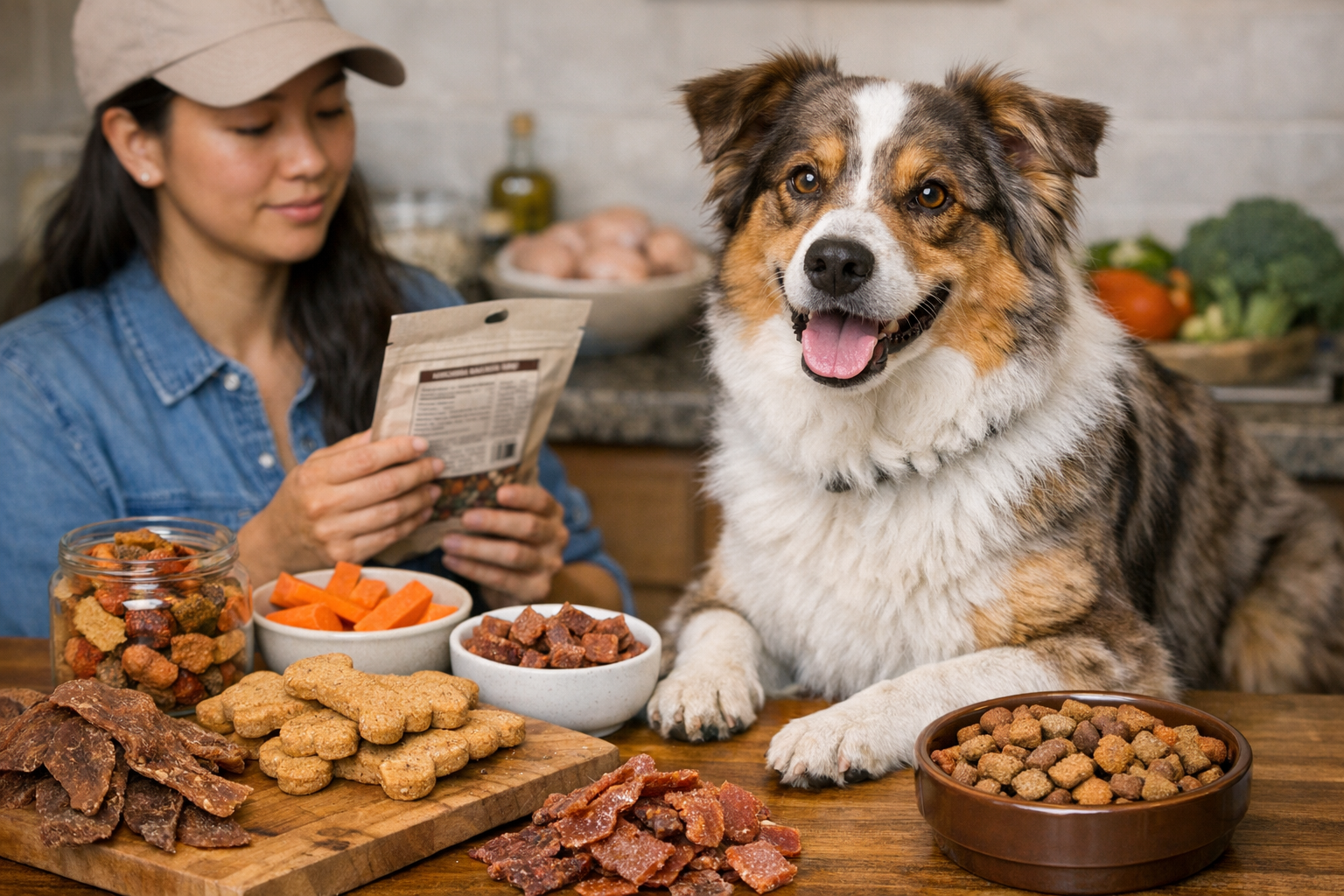
Are Store-Bought Dog Biscuits Just Empty Calories? (What to Look For)
As a pet parent, you want the best for your furry friend. Choosing the right dog biscuits can be tricky. Are they providing nutrition or just empty calories? This article helps you understand what to look for in dog treats and how to make informed choices.
Why This Topic Matters for Pet Parents
Understanding the nutritional value of store-bought dog biscuits is crucial for your dog’s health. Treats can be a part of a balanced diet, but not all biscuits are created equal. Making informed choices can prevent obesity and nutritional deficiencies in your pet.
Key Insights
- Many commercial dog biscuits are high in calories and low in nutrition.
- Ingredients should be whole and identifiable, such as meats, veggies, and whole grains.
- Look for treats made with natural preservatives instead of artificial additives.
- Consider your dog’s specific dietary needs, such as allergies or weight control.
- Check the calorie count and serving sizes to avoid overfeeding.
Expert Tips
Veterinarians recommend the following tips when choosing dog biscuits:
- Read Labels Carefully: Look for a high protein content and whole foods as the first few ingredients.
- Avoid Fillers: Ingredients like corn, soy, and artificial flavors may offer little to no nutritional benefit.
- Opt for Grain-Free Options: If your dog has grain sensitivities, choose biscuits made from alternative grains or vegetables.
- Check for Nutritional Additives: Some biscuits include vitamins, minerals, and omega fatty acids for added health benefits.
- Moderation is Key: Treats can be a reward, but they shouldn’t exceed 10% of your dog’s daily caloric intake.
Best Products or Treat Types
Here are some of the best types of dog treats to consider:
- Freeze-Dried Treats: These retain nutrients and are often made from just one or two ingredients.
- Homemade Dog Biscuits: Making your own allows you to control ingredients and avoid fillers.
- Meat-Based Treats: Look for options with real meat as the first ingredient for high protein content.
- Vegetable-Based Treats: Carrot or pumpkin biscuits can be a healthy, low-calorie option.
- Dental Chews: These help clean teeth while providing low-calorie nutrition.
Common Mistakes to Avoid
Be aware of these common pitfalls when choosing dog treats:
- Ignoring Ingredient Lists: Always check what’s in your dog’s food. Don’t fall for flashy packaging.
- Overfeeding Treats: It’s easy to give too many snacks. Stick to recommended servings.
- Choosing Based on Price Alone: Sometimes cheaper options are loaded with unhealthy fillers.
- Not Considering Dog Size: Treats designed for large dogs may not be suitable for small breeds.
- Forgetting About Allergies: If your dog has known allergies, avoid treats that might trigger them.
FAQs
1. Are all dog biscuits unhealthy?
No, many dog biscuits are healthy. It depends on the ingredients and their nutritional content. Always check the label.
2. How often can I give my dog treats?
Treats should make up no more than 10% of your dog’s daily calories. Consult your vet for personalized advice.
3. Can homemade biscuits be better?
Yes, homemade biscuits allow you to choose fresh, whole ingredients and avoid preservatives.
4. What should I do if my dog is overweight?
Consult your veterinarian for a diet plan and treat recommendations tailored to your dog’s needs.
5. Are grain-free treats better for dogs?
Not necessarily. Consult your veterinarian, especially if your dog has specific dietary needs.
6. How do I know if my dog is allergic to certain ingredients?
Look for signs like itching or digestive trouble and consult your vet to establish a proper diet.
Conclusion
Choosing the right dog biscuits doesn’t have to be complicated. Understanding the ingredients and nutritional needs of your pet is key to making the best choices. Always read labels, choose whole foods, and keep moderation in mind. With the right treats, you can keep your furry friend happy and healthy.