
The Connection Between Treats and Your Dog’s Hydration Levels
Keeping your dog hydrated is essential for their overall health. Did you know that the treats you give your dog can play a significant role in their hydration? This article explores how treats influence hydration levels and what pet parents can do to ensure their furry friends stay properly hydrated.
Why This Topic Matters for Pet Parents
Understanding the link between treats and hydration is crucial for every dog owner. Here are a few reasons why this topic matters:
- Hydration affects energy levels and overall health.
- Proper hydration helps prevent urinary issues and kidney problems.
- Some treats may contain ingredients that can dehydrate dogs.
Key Insights
Here are key insights about treats and their effect on your dog’s hydration:
- Water content in treats varies greatly.
- High-sodium treats can lead to dehydration.
- Fruits and vegetables as treats can boost hydration.
- Monitor your dog’s water intake.
- Wet food may be more hydrating than dry kibble.
Expert Tips
Veterinarians recommend several strategies to improve your dog’s hydration through treats:
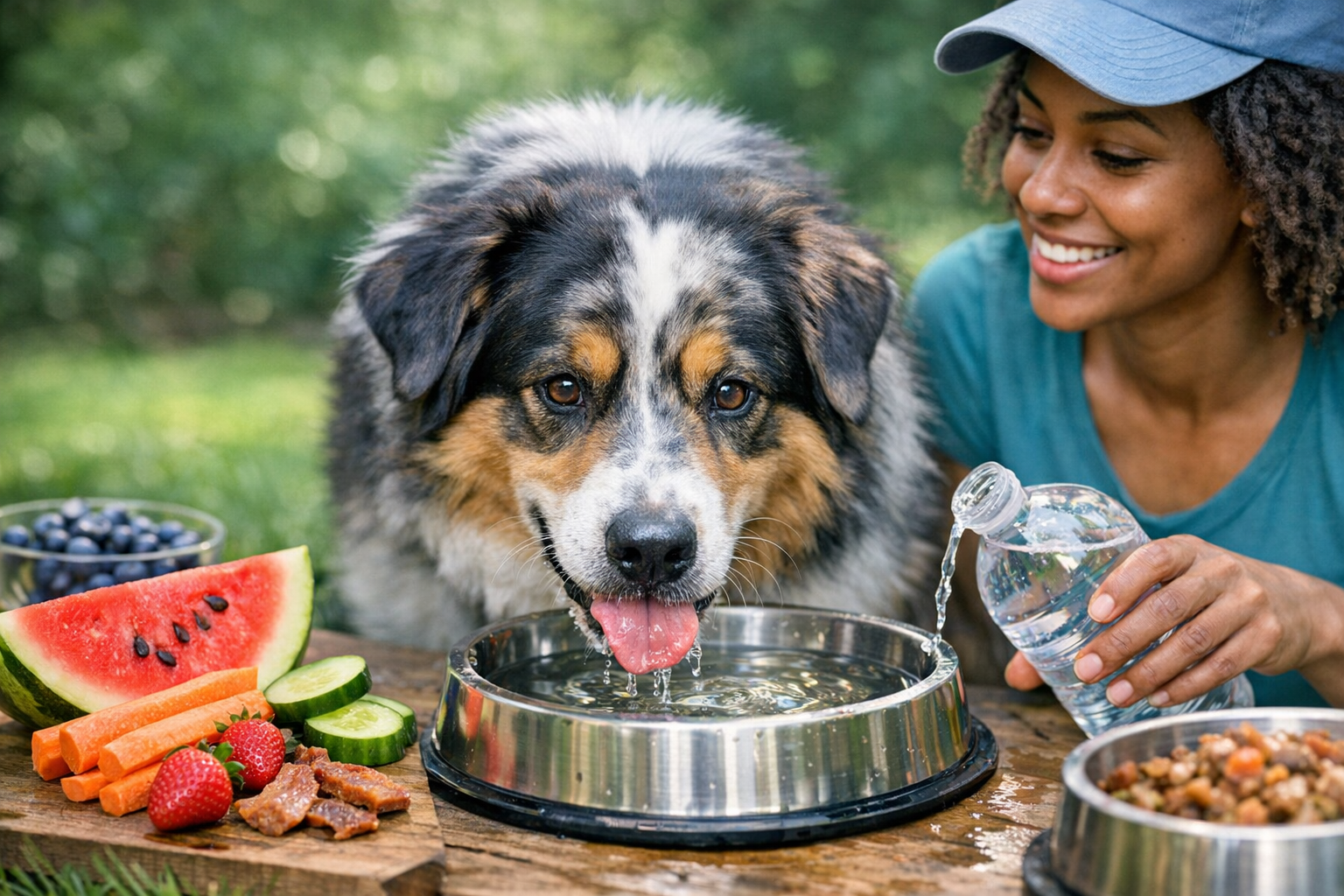
- Choose treats with high moisture content, like fruits (watermelon, apples) and vegetables (carrots, cucumbers).
- Limit high-sodium treats to avoid dehydration.
- Ensure fresh water is always available, especially after treating your dog.
- Consider mixing water with dry treats to create a tasty snack.
- Watch for signs of dehydration, such as dry gums, excessive panting, or lethargy.
Best Products or Treat Types
When it comes to treats that can help with hydration, consider the following options:
- **Fruits**: Water-rich fruits like watermelon, strawberries, and blueberries.
- **Vegetables**: Crunchy veggies like cucumber, celery, and carrots.
- **Hydrating treats**: Look for freeze-dried or dehydrated options that retain moisture.
- **Low-sodium meats**: Cooked chicken or turkey without added salt or preservatives.
Common Mistakes to Avoid
Here are some typical missteps pet parents make regarding treats and hydration:
- Giving too many dry or high-sodium treats.
- Assuming dogs drink enough water on their own.
- Not adjusting treat choices based on climate or physical activity.
- Neglecting to balance treat intake with water consumption.
FAQs
1. Can treats replace my dog’s need for water?
No, treats should not replace water. They can supplement hydration but not replace it.
2. How can I tell if my dog is dehydrated?
Signs include dry gums, sunken eyes, not eating, or excessive panting.
3. Is it safe to give my dog fruit as treats?
Yes, many fruits are safe, but always check for harmful types like grapes or raisins.
4. How can I ensure my dog drinks enough water?
Encourage water consumption by offering fresh bowls regularly and flavoring their water with low-sodium broth.
5. How do I choose dog treats wisely?
Look for treats low in sodium, high in moisture, or made from fresh fruits and veggies.
6. Can puppies have the same treats as adult dogs?
Puppies have different dietary needs. Always check with your vet before introducing new treats.
Conclusion
Understanding the connection between dog treats and hydration is vital for maintaining your dog’s health. By choosing the right treats and monitoring your dog’s water intake, you can help ensure they remain hydrated and happy. Always remember to provide fresh water and consult your veterinarian with any concerns about your dog’s hydration needs. Your furry friend will thank you with wagging tails and bright eyes!