

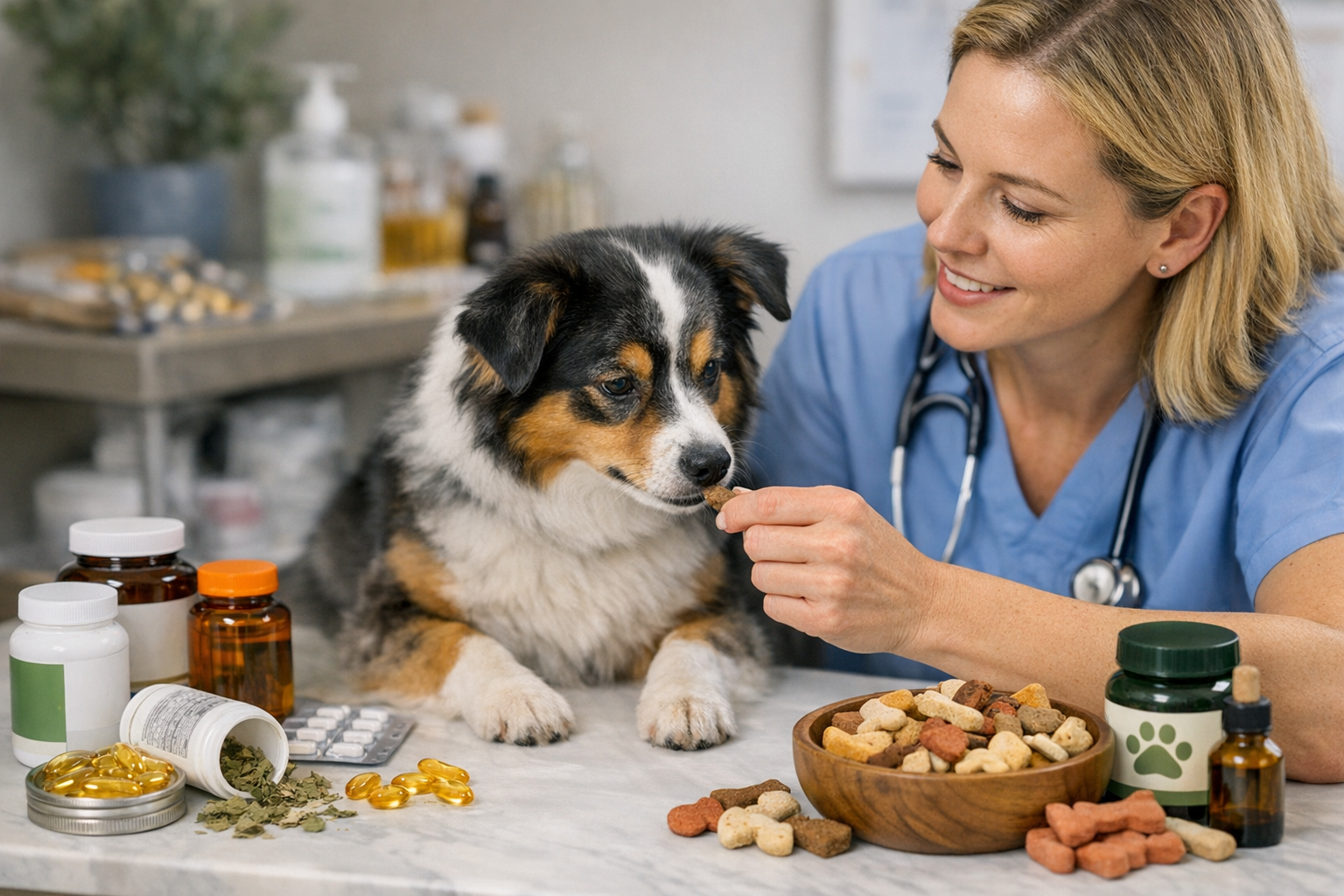
How Medications Interact with Supplements in Pet Treats
Understanding how medications interact with supplements in pet treats is crucial for every pet parent. This knowledge can help ensure the health and happiness of your furry friends while preventing any potential side effects from interactions. Let’s explore why this topic is important and what you need to know.
Why This Topic Matters for Pet Parents
As pet parents, we want to give our animals the best care possible. Sometimes, this includes giving pets medications for various health issues. At the same time, many pet owners choose to provide supplements or treats that claim added health benefits. It’s important to know how these two can interact with each other.
Key Insights
- Medications are used to treat specific health issues in pets.
- Supplements often claim to improve overall health or support specific functions.
- Interactions can change how medications work or lead to unwanted side effects.
- Always consult a veterinarian before introducing new supplements to your pet’s diet.
- Read ingredient labels carefully to avoid harmful combinations.
Expert Tips
Consulting with your veterinarian is the best way to ensure your pet’s safety. Here are some expert recommendations:
- Discuss All Treatments: Always inform your veterinarian about any medications or supplements your pet is taking.
- Research Ingredients: Look up supplements to understand their benefits and potential risks.
- Monitor Changes: If you notice new symptoms after introducing a supplement, contact your vet immediately.
- Start Slowly: Introduce new treats one at a time to spot any adverse reactions quickly.
- Avoid Human Supplements: Never give your pet human supplements without veterinary guidance, as they may be harmful.
Best Products or Treat Types
When looking for pet treats, consider these types that are generally safe:
- Natural Chews: Made from single ingredients like sweet potatoes or chicken, these minimize the risk of interactions.
- Health-Specific Treats: Look for treats aimed at specific health needs, such as dental chews or joint support treats.
- Homemade Treats: Making your own treats allows you to control ingredients and avoid harmful additives.
- Veterinary-Approved Supplements: If considering supplements, use those that are specially formulated and recommended by your vet.
Common Mistakes to Avoid
Avoid these pitfalls to keep your pet healthy:
- Skipping Vet Consultations: Not consulting your vet before introducing new supplements.
- Assuming Safety: Believing all supplements are safe simply because they are natural.
- Ignoring Labels: Failing to read and understand the labels of both medications and supplements.
- Mixing Without Knowledge: Combining different supplements without understanding their interactions.
FAQs
- Can I give my pet supplements while they are on medication?
Yes, but always consult your veterinarian first to avoid dangerous interactions. - What are common supplements that may interact with medications?
Common supplements include omega fatty acids, glucosamine, and herbs like St. John’s Wort. - How can I tell if my pet is having an adverse reaction?
Watch for signs like vomiting, diarrhea, lethargy, or changes in appetite and behavior. - Are all natural supplements safe for pets?
Not necessarily. Some natural ingredients can still have harmful effects, so it’s best to check with your vet. - What should I do if I suspect an interaction?
Contact your veterinarian immediately for guidance and possible adjustments to your pet’s treatment plan.
Conclusion
Understanding how medications interact with supplements in pet treats is essential for your pet’s well-being. By staying informed and consulting with your vet, you can help prevent harmful interactions and ensure your companion gets the care they deserve. Always prioritize your pet’s health by being proactive and making educated choices about their diet and treatments.