



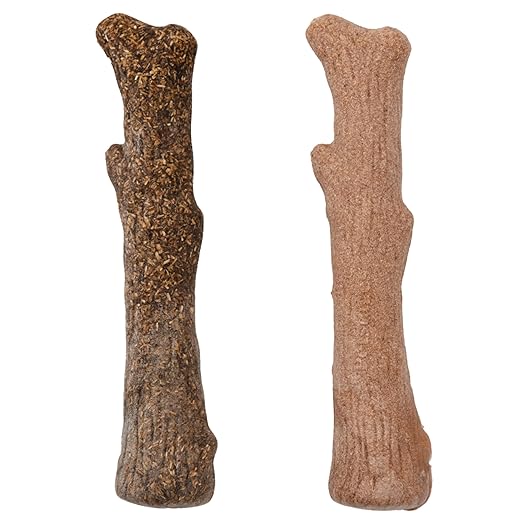

Is Too Much Chewing Bad for Teeth? Finding the Right Chew Density
As pet parents, we often want the best for our furry friends, including their dental health. Chewing can be a great way for pets to maintain healthy teeth, but how much is too much? Understanding chew density is crucial to ensure that your pet’s chewing habits promote healthy teeth and gums.
Why This Topic Matters for Pet Parents
Dental health is a vital part of your pet’s overall well-being. Poor dental hygiene can lead to serious issues such as:
- Bad breath
- Oral pain
- Tooth loss
- Systemic health problems
By understanding how chew density affects dental health, you can make better choices about your pet’s treats and chew toys.
Key Insights
Here are some important points about chewing and dental health:
- Chewing Benefits: Chewing can help reduce plaque buildup and freshen your pet’s breath.
- Too Much Chewing: Excessive or hard chewing can lead to tooth fractures and gum issues.
- Chew Density Matters: The density of the chew determines how much pressure is put on the teeth.
Finding the right balance is essential for your pet’s dental health.
Expert Tips
Veterinarians often make the following recommendations regarding chewing:
- Choose Appropriate Texture: Select chews that are neither too hard nor too soft. Medium-density options are often best.
- Limit Chewing Time: Allow your pet to chew for a limited time each day to avoid overdoing it.
- Monitor Your Pet: Watch for signs of dental issues, such as reluctance to chew, excessive drooling, or bad breath.
- Rotate Chews: Use a variety of treat types to prevent wear on any single set of teeth.
Consult your veterinarian for specific recommendations tailored to your pet’s age, breed, and dental health.
Best Products or Treat Types
When choosing chews for your pet, consider these options:
- Dental Chews: These are specially designed to help clean teeth while being gentle on enamel.
- Rawhide Alternatives: Look for softer options that provide a satisfying chew without being overly dense.
- Chew Toys: Rubber or nylon toys can be good for aggressive chewers while promoting dental health.
- Natural Chews: Options like bully sticks or sweet potatoes can be a great addition, but check their density.
Always check ingredient lists and opt for natural products when possible.
Common Mistakes to Avoid
Many pet parents make these common mistakes:
- Choosing the Wrong Size: Chews should be the right size for your pet to avoid choking hazards.
- Ignoring Quality: Low-quality, hard chews can do more harm than good.
- Overdoing It: Allowing unlimited chewing time can harm your pet’s teeth.
- Not Rotating Chews: Sticking to one type of chew can lead to uneven wear on teeth.
Avoid these pitfalls to protect your pet’s dental health.
FAQs
- How often should my pet chew? Limit chewing sessions to 10-15 minutes on a few days a week based on your pet’s needs.
- Can chews replace brushing? No, chews can help, but regular teeth brushing is still essential for good dental hygiene.
- What signs indicate dental issues? Look for bad breath, red gums, and difficulty eating as signs of dental problems.
- Are all chews safe? No, not all chews are equally safe. Always choose appropriate-density options.
- What is the best age to start chewing? You can introduce chewing to puppies around 4-6 months old when they start losing teeth.
Conclusion
Understanding chew density is essential for maintaining your pet’s dental health. While chewing can be beneficial, moderation and choosing the right treats are key. By following the expert tips, selecting appropriate products, and avoiding common mistakes, you can help keep your pet’s teeth and gums healthy. Always consult your veterinarian if you have concerns about your pet’s dental hygiene or if you notice any troubling signs. A little attention today can lead to a healthier smile in the future!