

Training Dogs to Walk Nicely on a Leash Without Constant Treats
Training your dog to walk nicely on a leash is essential for enjoyable walks and a happy pet-parent experience. While treats can help, relying on them constantly can be impractical. This guide will teach you effective methods to train your dog without the need for frequent treats.
Why This Topic Matters for Pet Parents
Walking with your dog can be a joyful experience, but it can also lead to frustration if your dog pulls on the leash or doesn’t pay attention. Understanding how to train your dog to walk nicely can improve your daily routines and build a stronger bond between you and your furry friend. Plus, it makes outings safer and more enjoyable for both of you.

Key Insights
- Leash training strengthens the bond between dog and owner.
- Using consistent commands helps your dog understand expectations.
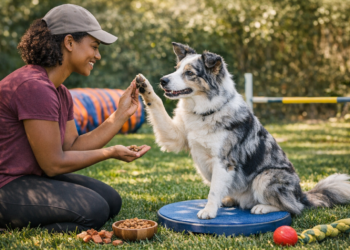
- Positive reinforcement can be used without constant treats.
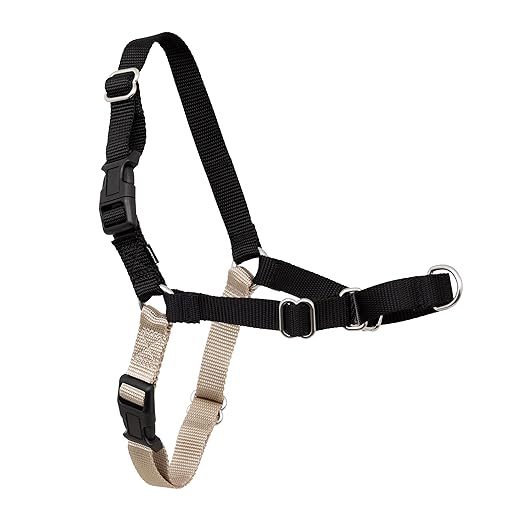
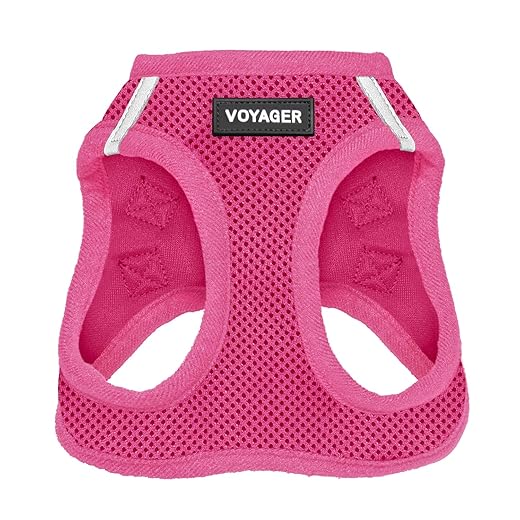
- Using equipment like harnesses can aid in training.
Expert Tips
Veterinarians and dog trainers recommend the following strategies to help train your dog to walk nicely on a leash:
- Use a Proper Leash and Collar: A standard 6-foot leash and a well-fitting collar or harness are ideal.
- Establish a Routine: Walk your dog at the same time every day to build a predictable schedule.
- Be Patient: Training takes time. Be patient with your dog and yourself.
- Start in a Distraction-Free Area: Begin training in a quiet environment to minimize distractions.
- Use Verbal Commands: Use simple commands like “heel” or “let’s go” to guide your dog.
- Practice Short Sessions: Keep training sessions short (about 5-10 minutes) to keep your dog engaged.
- Reward Good Behavior: Offer praise and affection when your dog walks next to you.
Best Products or Treat Types
While constant treats are not necessary, having the right tools can support your training efforts:
- Comfortable Harness: A harness helps prevent pulling and is safer for your dog’s neck.
- Adjustable Leash: A leash with adjustable lengths allows for better control during walks.
- Training Clicker: A clicker can help mark desired behaviors while training.
- Interactive Toys: Keeping your dog mentally stimulated can reduce pulling and distractions.
Common Mistakes to Avoid
To ensure effective training, be aware of these common pitfalls:
- Inconsistent Commands: Using different words for the same command can confuse your dog.
- Pulling on the Leash: Yanking the leash can create anxiety and worsen the behavior.
- Ignoring Distractions: Failing to train in distracting environments can hinder progress.
- Too Much Time on Leash: Walking for too long without breaks can tire your dog and reduce focus.
FAQs
- How long does it take to train a dog to walk on a leash?
It varies by dog, but it can take a few days to several weeks of consistent practice. - Can I use treats occasionally?
Yes, using treats occasionally can still be effective. Just don’t rely on them all the time. - What if my dog is still pulling after training?
Try adjusting your training methods and consult a professional trainer for guidance. - Is it better to use a harness or collar?
A harness is often better for dogs who pull, as it distributes pressure more evenly. - Can I train an older dog to walk nicely on a leash?
Absolutely! Dogs of any age can learn new behaviors with patience and consistency.
Conclusion
Training your dog to walk nicely on a leash without constant treats is a rewarding journey. By using the right tools, establishing a routine, and relying on positive reinforcement, you can create enjoyable walks for both you and your pet. Remember to be patient and consistent, and your dog will soon be walking calmly by your side, ready for delightful adventures together.