

Senior Cat Care: Encouraging Appetite with High-Palatability Treats
As cats age, they may face various health challenges, including a decreased appetite. Encouraging older cats to eat is vital for their health and joy. This article explores ways to stimulate your senior cat’s appetite using high-palatable treats that make mealtime more inviting.
Why This Topic Matters for Pet Parents
Understanding how to encourage appetite in senior cats is essential for their well-being. Aging cats can experience health issues that affect their desire to eat. Ensuring they eat regularly helps maintain their weight, energy levels, and overall health. Pet parents play a key role in keeping their furry friends happy and healthy.

Key Insights
- Senior cats may have dental issues, affecting their ability to chew harder foods.
- Loss of smell and taste can decrease their interest in food.
- Conditions like arthritis may make it hard for them to reach their food bowls or litter boxes.
- High-palatability treats can stimulate their appetite and encourage them to eat more.
- Your cat’s mental and emotional health can also impact their eating habits.
Expert Tips
Here are some veterinarian-style recommendations for encouraging your senior cat’s appetite:
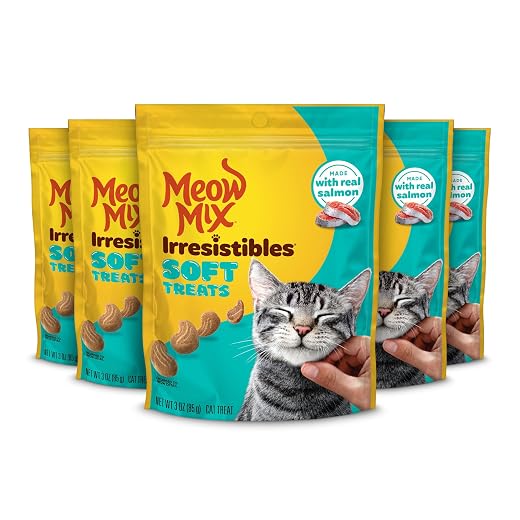
- Choose Soft Treats: Select treats that are easy to chew. These are particularly good for cats with dental problems.
- Warm It Up: Heating food slightly can bring out the flavors and aromas, making it more appealing.
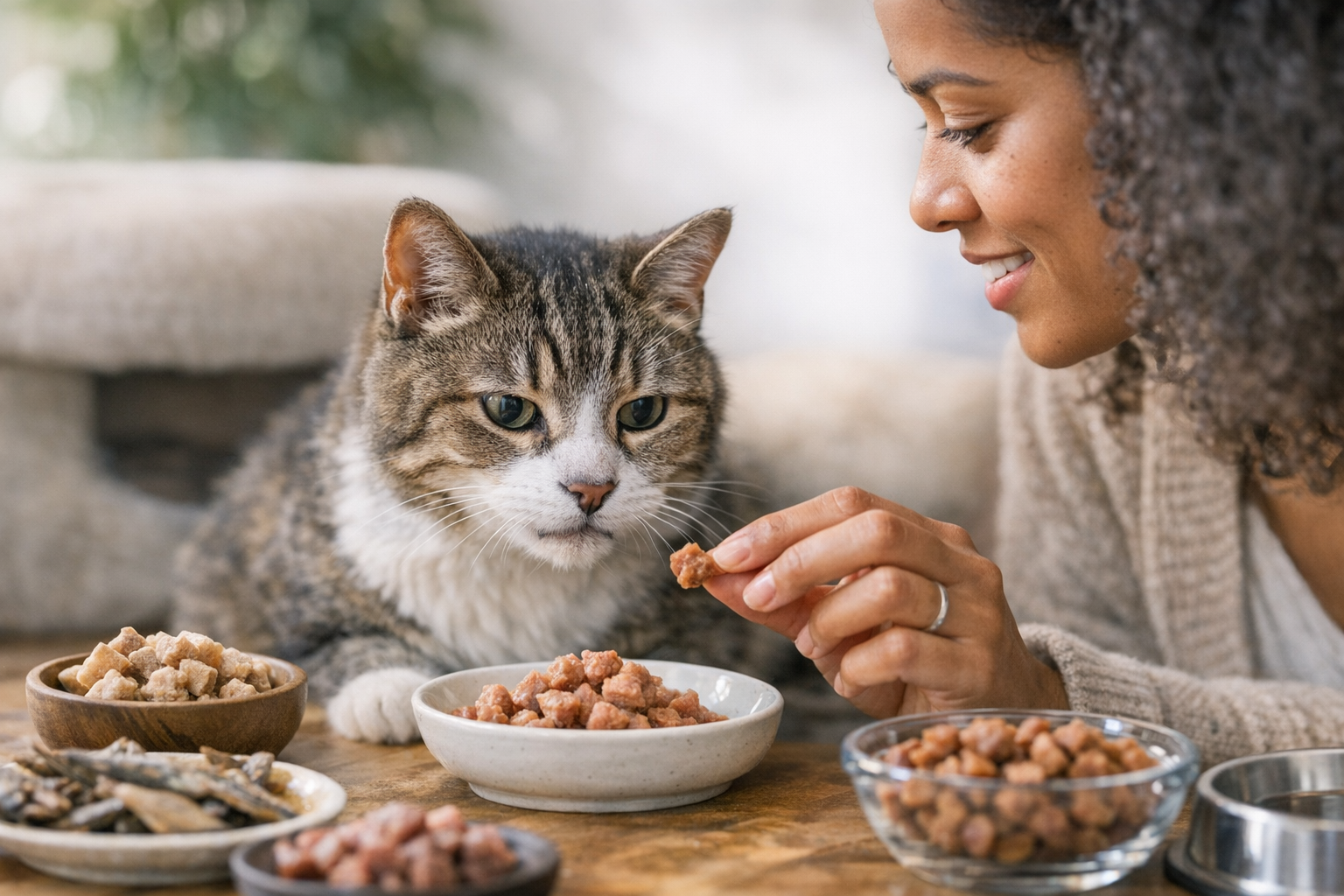
- Consider Texture: Some cats prefer crunchy treats, while others enjoy softer ones. Offer a variety to see what your cat likes best.
- Limit Stress: Create a calm eating environment. Loud noises or other pets may deter them from eating.
- Maintain Regular Feeding Times: Cats are creatures of habit. Feed them at consistent times to build a routine.
- Consult Your Vet: Always talk to your veterinarian about your cat’s appetite changes; it may indicate a health issue.
Best Products or Treat Types
When looking for the best treats to encourage a senior cat’s appetite, consider these types:
- Soft and Chewy Treats: These treats are easier for older cats to chew, especially those with dental issues.
- Freeze-Dried Treats: These retain nutrients and flavor, making them highly appealing.
- Fish-Flavored Treats: Many cats love the taste of fish, and these treats can stimulate their appetite.
- Grain-Free Options: Some cats may have sensitivities to grains. Grain-free treats may be easier on their digestive system.
- Supplemental Treats: Treats formulated with vitamins or minerals can be beneficial for senior cats’ health.
Common Mistakes to Avoid
Avoid these common pitfalls when trying to encourage your senior cat to eat:
- Forcing Food: Never force your cat to eat. This can create a negative association with mealtime.
- Offering the Same Food: If your cat refuses food, trying different flavors or brands might be necessary.
- Ignoring Cleanliness: Make sure food and water bowls are clean. Cats can be picky about hygiene.
- Overlooking Health Issues: Don’t ignore changes in appetite. They can be signs of underlying health problems.
- Allowing Food to Sit: Leaving food out for too long can cause it to spoil or lose flavor. Serve fresh portions regularly.
FAQs
- What are the signs my cat is losing its appetite? Look for decreased interest in food, eating less than usual, or leaving food uneaten.
- How often should I give my senior cat treats? Treats should be given as a supplement to their regular diet—limit them to 10% of their daily caloric intake.
- Can I make homemade treats for my senior cat? Yes, homemade treats can be a great option! Consider boiling chicken or fish and cutting it into bite-sized pieces.
- Are there any health risks with high-palatability treats? While most treats are safe, overindulging in treats can lead to obesity. Monitor their overall diet.
- Should I consult my veterinarian about my cat’s appetite? Yes, consulting your vet is essential if you notice significant changes in your senior cat’s appetite.
Conclusion
Encouraging a senior cat’s appetite can be a challenge, but it is essential for their health and happiness. By choosing high-palatable treats, providing a calm eating environment, and staying attentive to your cat’s needs, you can help maintain their quality of life. Always consult with a veterinarian if appetite changes occur to ensure your feline friend remains healthy. With a little care and attention, you can keep your old friend enjoying their meals and feeling their best!