



Training Multi-Dog Households: Preventing Treat-Related Resource Guarding
Managing multiple dogs in your home can be rewarding, but it comes with its challenges. One common issue is resource guarding, especially when it comes to treats. This article offers valuable insights and expert tips to help you prevent treat-related resource guarding in a multi-dog environment.
Why This Topic Matters for Pet Parents
Resource guarding is a behavior where one dog may protect food or treats from others. In multi-dog households, this behavior can lead to fights or stress. Understanding and addressing resource guarding is essential for creating a safe and harmonious home for all your pets.
Key Insights
- Understanding Resource Guarding: Dogs might guard treats to assert dominance or due to anxiety.
- Recognizing Signs: Look for growling, stiff body posture, or intense staring as signals your dog may feel threatened.
- Early Intervention: The sooner you address guarding behavior, the easier it becomes to manage.
- Separate Feeding Areas: Feeding dogs in different areas can reduce competition.
- Positive Reinforcement: Rewarding calm behavior can help dogs learn to share.
Expert Tips
Veterinarians and dog trainers recommend several strategies to prevent and address resource guarding:
- Train Basic Commands: Teach commands like “sit,” “stay,” and “leave it” to promote good behavior.
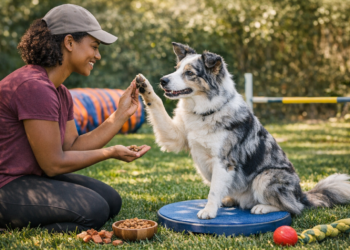
- Use Positive Reinforcement: Always reward your dogs for sharing or exhibiting calm behavior around treats.
- Desensitize Gradually: Introduce treats slowly while monitoring behavior, rewarding calmness when they realize treats are not a threat.
- Practice Controlled Feeding: Feed dogs in a controlled manner, giving them one treat at a time while separated initially.
- Consult Professionals: If behavior issues persist, consider seeking help from a certified dog trainer or behaviorist.
Best Products or Treat Types
Choosing the right type of treats is crucial. Here are some recommendations:
- Soft Treats: These can be broken into smaller pieces, helping to reduce guarding instincts.
- Interactive Treats: Toys that hold treats and encourage play can keep dogs occupied and minimize competition.
- Healthy, Low-Calorie Options: Choose treats that promote good health without leading to weight gain, encouraging positive interactions.
- Training Treats: Small, easy-to-handle treats can be ideal for reinforcing training without over-excitement or competition.
Common Mistakes to Avoid
- Feeding All Dogs at Once: This can increase competition and anxiety.
- Ineffective Scolding: Punishing your dogs for guarding may worsen the behavior.
- Ignoring Warning Signs: Failing to recognize or address signs of resource guarding can escalate issues.
- Overloading on Treats: Giving too many treats can exacerbate guarding behavior as dogs may feel they must protect those treats.
- Inconsistent Training: Consistency is key. Inconsistent rules can confuse dogs and lead to guarding behavior.
FAQs
- What should I do if my dog shows signs of resource guarding? Start by identifying and minimizing triggers, use positive reinforcement, and train alternative behaviors.
- Can resource guarding be cured? While some dogs may manage their behavior over time, ongoing training and management can significantly reduce guarding tendencies.
- Should I separate my dogs during treat time? Yes, initially separating them can help prevent competition and reduce anxiety while they learn to share.
- How can I teach my dogs to share treats? Use training sessions and positive reinforcement to teach sharing behavior gradually, rewarding them for calmness around each other.
- When should I seek professional help for resource guarding? If the behavior escalates or if you’re uncomfortable managing it, consider consulting a trainer or veterinarian for guidance.
Conclusion
Training multi-dog households to prevent treat-related resource guarding is an ongoing process that requires patience, understanding, and consistent effort. By applying the expert tips and insights shared in this article, you can create a safer and more enjoyable environment for all your furry family members. Remember, the goal is not only to manage resource guarding but also to foster positive relationships among all your pets.