
• About
  • Contact Us
  • Home
  • Privacy Policy
Saturday, April 4, 2026
Treat Ninja - Your Guide to a Happier Pet
No Result
View All Result
No Result
View All Result
Treat Ninja - Your Guide to a Happier Pet
No Result
View All Result
Home Training & Strategy Behavior Modification

The Secret to Impulse Control Training: The Right Treat at the Right Time

March 16, 2025
in Behavior Modification, Training & Strategy
0 0
0
0
SHARES
1
VIEWS
Share on TwitterShare on Facebook
Trending Now
Interactive Dog Puzzle for Brain Stimulation
Amazon.com
Interactive Dog Puzzle for Brain Stimulation
BUY NOW
Top Rated
Train Calm Behavior in Dogs Effectively
Amazon.com
Train Calm Behavior in Dogs Effectively
BUY NOW

The Secret to Impulse Control Training: The Right Treat at the Right Time

Impulse control training for pets is essential for a harmonious home. Knowing when and how to use treats can make this training more effective. This guide will walk you through the importance of timing treats and how to choose the right ones.

Why This Topic Matters for Pet Parents

Understanding impulse control is important for the well-being of both pets and their owners. Here’s why:

  • Helps prevent behavioral issues, like excessive barking or jumping.
  • Promotes a calmer environment for your pet and family.
  • Builds a stronger bond between pet and owner through positive reinforcement.

Key Insights

To effectively train your pet, consider the following key insights:

Must-Have
Soft & Chewy Dog Treats for Training
Perfectly sized for smaller dogs
Buddy Biscuits Teeny Treats are designed for small dogs who love big flavors. With natural ingredients like peanut butter, these tasty bites are ideal for training sessions.
View Price at Amazon.com
  • Timing is Everything: The right treat at the right moment reinforces good behavior.
  • Choose Wisely: Different treats can affect motivation levels; select those that your pet loves.
  • Practice Patience: Change won’t happen overnight. Consistency and patience are key.
  • Recognize Signs: Understand when your pet is struggling with impulse control to adjust your approach.

Expert Tips

Here are some veterinarian-style recommendations for effective impulse control training:

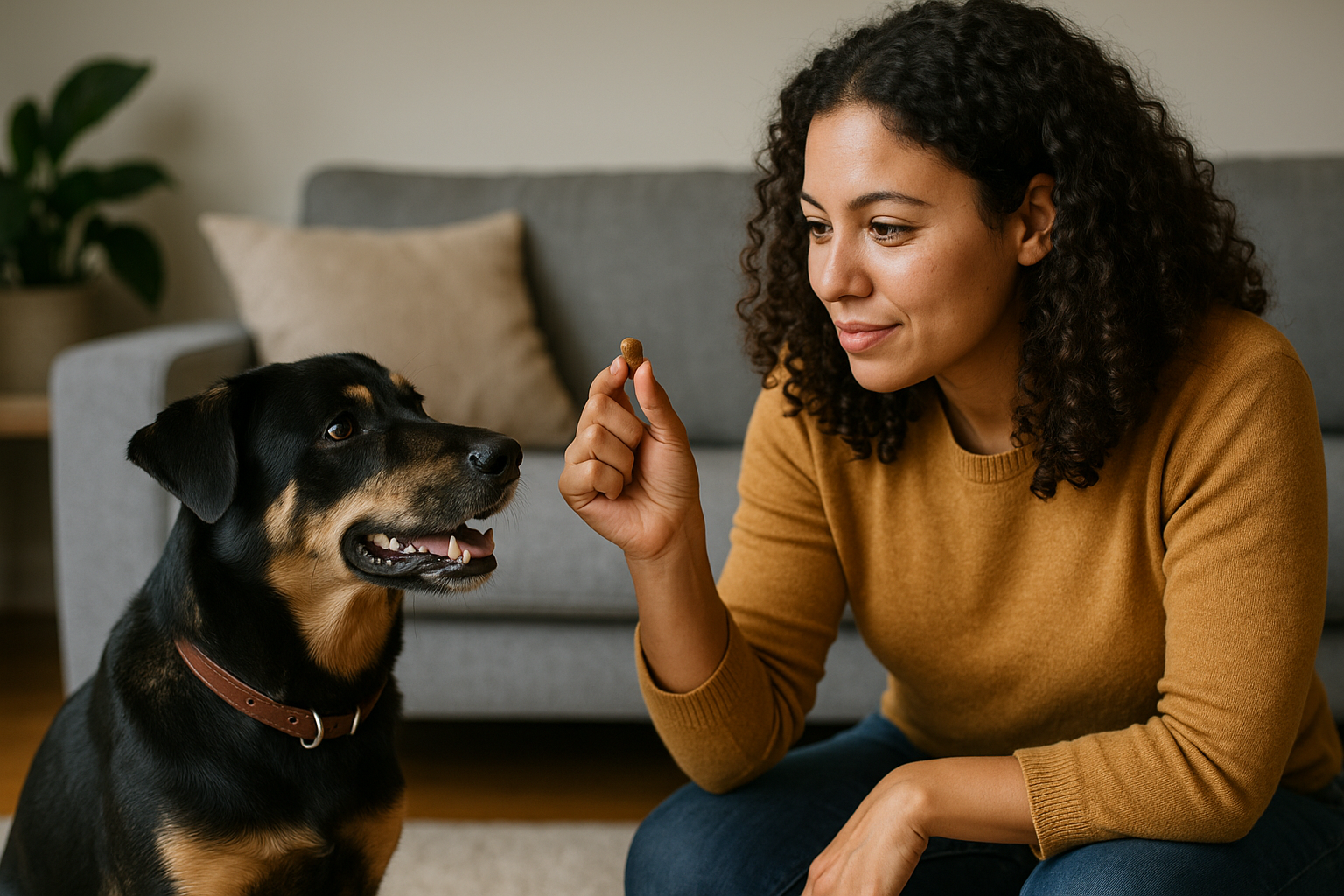
  • Use High-Value Treats: These are treats your pet finds irresistible. They work like a charm during training sessions.
  • Be Consistent: Always reward good behavior immediately. This helps your pet connect the action with the reward.
  • Start Slow: Begin training in a quiet environment to minimize distractions, gradually introducing new settings.
  • Incorporate Play: Use play as a reward sometimes. It can be just as motivating as a treat!
  • Engage All Senses: Variety is key! Use treats that are crunchy, chewy, or even smelly to keep your pet excited.

Best Products or Treat Types

Choosing the right type of treat is crucial in impulse control training:

Trending Now
Interactive Dog Puzzle for Brain Stimulation
Enhances IQ with treat dispensing
This innovative puzzle toy engages dogs and cats, promoting mental stimulation through fun feeding challenges. It's durable, non-toxic, and perfect for slow feeding.
View Price at Amazon.com
  • Soft Chewy Treats: These are great for fast delivery and work well since they can be eaten quickly.
  • Small Crunchy Treats: They are easy to carry and give your pet a satisfying crunch.
  • Highly Aromatic Treats: Treats that have strong smells can grab your pet’s attention quickly.
  • Interactive Treats: Use puzzle toys filled with treats to combine fun and training, enhancing focus and patience.

Common Mistakes to Avoid

Here are some common pitfalls pet owners should watch out for:

  • Inconsistent Timing: Rewarding behaviors at random times can confuse your pet.
  • Overusing Treats: Too many treats can lead to weight gain. Balance is key!
  • Ignoring Distractions: Not addressing distracting elements can undermine training efforts.
  • Failing to Adjust: If a treat isn’t motivating your pet, change it up instead of sticking to the same one.

FAQs

  • What’s impulse control in pets? Impulse control is the ability of pets to resist immediate temptations for long-term rewards.
  • How do I know if my pet needs impulse control training? Signs like excessive barking, jumping on people, or not obeying commands might indicate a need for training.
  • How often should I train my pet? Short, consistent training sessions daily (5-10 minutes) are often the most effective.
  • Can I train my pet without treats? Yes, but treats offer quicker motivation. You can also use toys or praise.
  • How do I deal with distractions while training? Start training in a quiet area and gradually introduce distractions as your pet improves.

Conclusion

Impulse control training is vital for a happy pet and a peaceful home. The key lies in using the right treat at the right time to reinforce good behavior. By understanding your pet’s needs, avoiding common mistakes, and following expert tips, you can successfully teach impulse control. Remember, patience and consistency will lead to the best results—so get started today!


Top Rated
Train Calm Behavior in Dogs Effectively
Expert guide by trainer Simon Chapman
'Calm the Chaos' offers strategies to teach impulse control in dogs using proven methods and real-life examples, enhancing obedience and emotional stability.
View Price at Amazon.com
TweetShareShare
Previous Post

The Safest Long-Lasting Chews for Power Chewer Dogs

Next Post

Top 10 Cat Treats of 2025 (Vet-Approved + Cat-Approved)

Related Posts

The Art of Shaping: Using Tiny Treats to Build Complex Behaviors

April 4, 2026

When is Weight Loss in Pets Too Fast? Monitoring with Treat Portions

April 3, 2026

Teaching Dogs to ‘Wait’ at Doors and Gates with a Release Cue

March 29, 2026

Treating Chronic Itching: Anti-Inflammatory Treats That Work

March 27, 2026

Using Treats to Stop Digging and Destructive Chewing Indoors

March 26, 2026

How to Teach Your Dog to Be Calm During Visitors (Doorbell Training)

March 23, 2026

Fun Ways to Incorporate Treat-Dispensing Toys into Daily Play

March 20, 2026

The Truth About Pet Treat Recalls: How to Stay Informed (2026)

March 19, 2026
Load More
Next Post
Top 10 Cat Treats of 2025 (Vet-Approved + Cat-Approved)

Top 10 Cat Treats of 2025 (Vet-Approved + Cat-Approved)

Please login to join discussion

Popular Post

  • The Art of Shaping: Using Tiny Treats to Build Complex Behaviors

    0 shares
    Share 0 Tweet 0
  • When is Weight Loss in Pets Too Fast? Monitoring with Treat Portions

    0 shares
    Share 0 Tweet 0
  • Are Pet Treat Subscriptions Worth the Cost? A Full Breakdown

    0 shares
    Share 0 Tweet 0
  • Training Small Animals (Rabbits, Ferrets) with Their Favorite Treats

    0 shares
    Share 0 Tweet 0
  • Best Frozen Treats for Dogs: Keeping Cool in the Summer Heat

    0 shares
    Share 0 Tweet 0
  • How Medications Interact with Supplements in Pet Treats

    0 shares
    Share 0 Tweet 0

About Us

Treat Ninja is here to help guide you through the world of pets and their health through positive reinforcement.

Recent News

The Art of Shaping: Using Tiny Treats to Build Complex Behaviors

April 4, 2026

When is Weight Loss in Pets Too Fast? Monitoring with Treat Portions

April 3, 2026

© 2025 Your Guide to a Happier Pet.

Welcome Back!

Login to your account below

Forgotten Password?

Retrieve your password

Please enter your username or email address to reset your password.

Log In
No Result
View All Result
  • Home
  • Health & Safety
    • Dental Health
    • General Health
    • Gut Health
    • Human Food Safety
    • Medical Conditions
    • Nutrition Science
    • Preparation & Storage
    • Specialty Diets
  • Recipes & DIY
    • DIY Guides
    • Fruit & Veggie Recipes
  • Reviews & Buying Guides
    • Allergy & Sensitivity
    • Budget Picks
    • Cat Specific
    • Lifestage & Lifestyle
    • Luxury & Gifts
    • Product Comparisons
    • Product Roundups
    • Single-Ingredient
    • Specialty Pets
  • Training & Strategy
    • Anxiety & Calming
    • Behavior Modification
    • Enrichment
    • Motivation & Reward
    • Training Techniques

© 2025 Your Guide to a Happier Pet.