


Understanding Pet Treat Additives: Preservatives, Dyes, and Fillers
As pet parents, we want the best for our furry friends. Understanding what goes into the treats we give them is essential. This article explores common pet treat additives like preservatives, dyes, and fillers, helping you make informed choices for your pet’s health.
Why This Topic Matters for Pet Parents
Pet treats can be a delightful way to reward your animals, but not all treats are created equal. Knowing the additives in these treats helps ensure your pets are getting healthy options. Some ingredients may pose health risks, while others serve no real purpose. Making educated decisions about pet treats promotes better health and well-being for your beloved companion.
Key Insights
- Preservatives: These keep pet treats fresh longer.
- Dyes: Added for visual appeal; they may have no health benefits.
- Fillers: Often used to bulk up treats; these can reduce nutritional value.
- Natural vs. Synthetic: Natural ingredients are generally healthier than synthetic additives.
- Regulations: Pet food labeling laws vary; always read the ingredient list.
Expert Tips
- Check the Ingredient List: Look for recognizable ingredients. This indicates higher quality.
- Avoid Artificial Dyes: Choose treats that use natural colors, like beet juice or turmeric.
- Select High-Quality Proteins: Treats should have real meat or fish as the primary ingredient.
- Limit Fillers: Treats should be made with wholesome ingredients, not just fillers like corn or soy.
- Consult Your Vet: Discuss treat options, especially for pets with special dietary needs.
Best Products or Treat Types
When choosing healthy pet treats, consider these types that often avoid harmful additives:
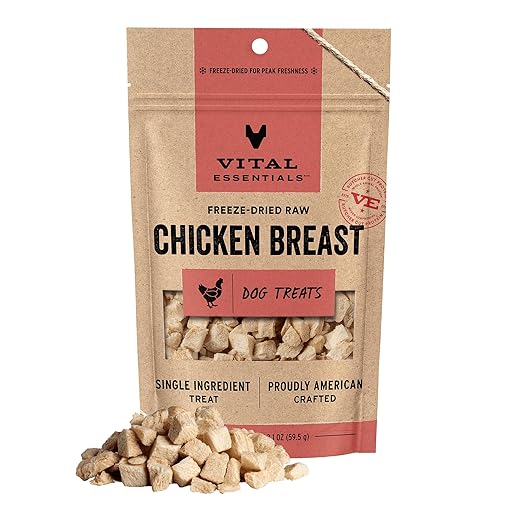
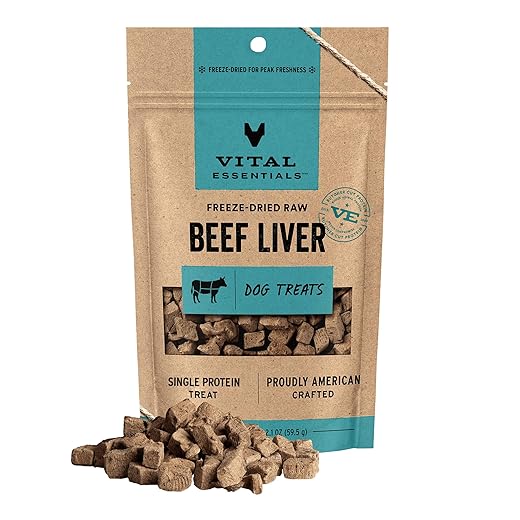
- Single-Ingredient Treats: Look for dehydrated meats, fish, or fruits.
- Grain-Free Options: These are good for pets with grain sensitivities.
- Homemade Treats: Making your own treats can ensure quality ingredients.
- Organic Treats: These often avoid synthetic additives entirely.
- Freeze-Dried Snacks: They retain nutrients without needing fillers or preservatives.
Common Mistakes to Avoid
- Ignoring Labels: Always read ingredients. Don’t just rely on marketing slogans.
- Overfeeding Treats: Treats should be no more than 10% of your pet’s daily caloric intake.
- Choosing Based on Price Alone: Some cheaper treats may contain harmful additives.
- Not Considering Allergies: Be aware of any allergies your pet may have when selecting treats.
- Following Trends: Just because a treat is fashionable doesn’t mean it’s healthy.
FAQs
1. Are preservatives in pet treats harmful?
Some preservatives are safe and help keep treats fresh. However, synthetic preservatives can pose health risks. Always opt for treats with natural preservatives.
2. What are fillers in pet treats?
Fillers are ingredients that bulk up the product but offer little to no nutritional value. Common fillers include corn and soy.
3. Why do some pet treats use artificial dyes?
Artificial dyes are used to make treats visually appealing, but they offer no nutritional benefits and may cause allergies in some pets.
4. Can homemade treats be healthier for my pet?
Yes! Homemade treats allow you to control the ingredients and avoid harmful additives.
5. How can I tell if a treat is of good quality?
Look for treats with recognizable, high-quality ingredients and minimal fillers and artificial additives.
6. Is it okay to give my pet treats every day?
Yes, but make sure they don’t exceed 10% of your pet’s daily caloric intake to maintain a balanced diet.
Conclusion
Understanding the additives in pet treats—like preservatives, dyes, and fillers—can significantly impact your pet’s health. By choosing treats with healthy ingredients and avoiding those with harmful additives, you’re taking an important step towards your pet’s overall wellness. Always remember to check ingredient lists, consult with your veterinarian, and stay informed. Your furry friend deserves the best!