


Catnip-Free Treats: Alternatives for Calming Anxious Felines
For many cat owners, calming an anxious feline can be a real challenge. While catnip is a popular option, it’s not suitable for every cat. This article explores catnip-free alternatives, helping pet parents find the best treats for their anxious kitties.
Why This Topic Matters for Pet Parents
Understanding anxiety in cats is essential for their well-being. Anxious felines can display various behaviors such as excessive meowing, hiding, or over-grooming. Finding the right cat treats can help reduce their stress levels and promote relaxation. This is crucial for ensuring a happy, healthy life for your furry friend.
Key Insights
- Not all cats react to catnip; around 30-50% of cats may lack the genetic sensitivity to it.
- Anxiety in cats can stem from various sources, including changes in environment, schedule, or health issues.
- Alternatives to catnip are available that can effectively calm anxious cats, such as certain herbs and specific treat ingredients.
- A soothing environment and routine can enhance the effects of calming treats.
Expert Tips
Pet owners can employ several strategies to help their anxious cats feel more secure:
- Consult Your Veterinarian: If you suspect your cat has anxiety, it’s essential to consult with a vet for appropriate diagnosis and treatment.
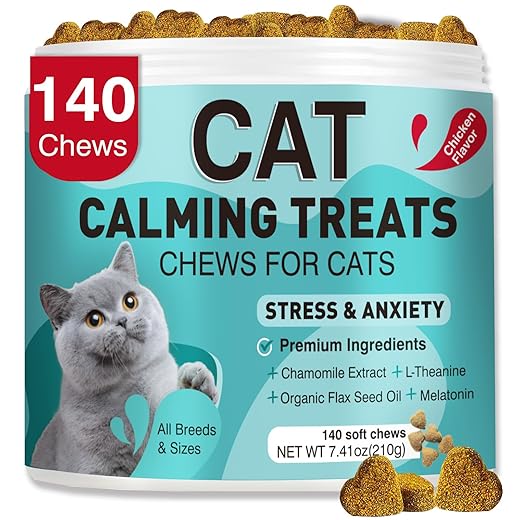
- Use Herbal Calming Agents: Ingredients like chamomile, valerian, and hemp-derived CBD can help soothe anxiety.
- Routine is Key: Keeping a consistent feeding and playing schedule can help reduce stress in cats.
- Creating Safe Spaces: Make sure your cat has a quiet, cozy corner to escape to when anxious.
- Provide Interactive Toys: Engaging your cat’s mind will help distract them from stressful situations.
Best Products or Treat Types
Here are some natural alternatives that can help calm anxious cats:
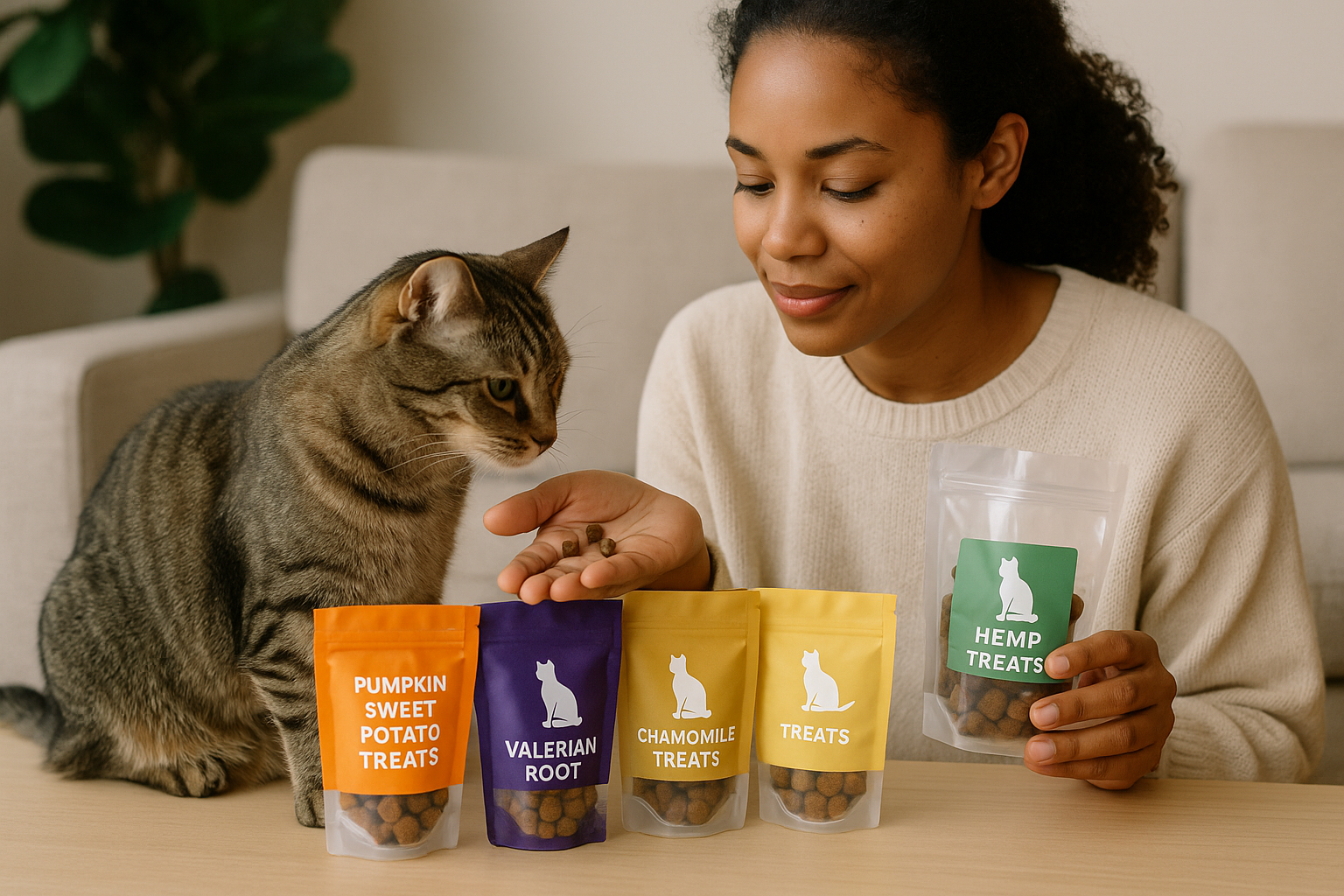
- Valerian Root Treats: These treats are often well-liked by kitties and can provide calming effects.
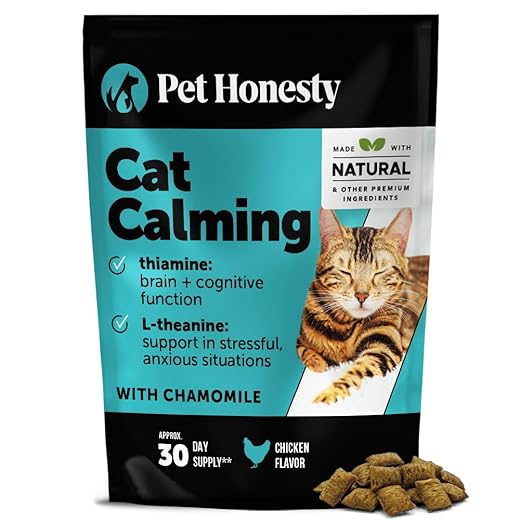
- Chamomile-Flavored Treats: Known for its calming properties, chamomile is a gentle option for anxious cats.
- Kava Kava Treats: This herb may help reduce anxiety and promote relaxation in cats.
- Pumpkin and Sweet Potato Treats: These ingredients can be beneficial for digestive health and are comforting. They often attract felines, offering a soothing effect.
- Hemp-Based Treats: Treats made with hemp can offer calming benefits without the psychoactive effects associated with THC.
Common Mistakes to Avoid
Here are a few common pitfalls to watch out for:
- Ignoring Underlying Health Issues: Always rule out health problems with your vet before assuming your cat’s reactions are purely behavioral.
- Overusing Treats: Too many calming treats can upset your cat’s stomach or lead to weight gain. Moderation is key.
- Not Monitoring Reactions: Pay attention to how your cat responds to new treats, as some may not work for all cats.
- Neglecting Environmental Factors: Treats can help, but creating a less stressful environment is also crucial for your cat’s anxiety.
- Forgetting to Offer Variety: Cats can become bored with the same flavors. Rotate treats to keep them interested and engaged.
FAQs
- What are the signs of anxiety in cats? Cats may hide, vocalize more than usual, over-groom, or display aggressive behavior.
- Can I give my cat regular human snacks as calming treats? Not all human food is safe for cats, so stick to treats specifically designed for felines.
- How often can I give calming treats to my cat? Follow the package instructions and consult with your vet for specific recommendations based on your cat’s needs.
- What if my cat doesn’t like the calming treats? Try different flavors or formulations. Cats can be picky eaters, but many options are available.
- Is catnip safe for all cats? Catnip is generally safe, but not all cats respond to it. About 1 in 3 to 1 in 2 cats may not be affected.
Conclusion
Finding catnip-free treats for calming anxious felines can significantly enhance your cat’s quality of life. With the right information and products, pet parents can help their cats feel safer and more secure. Always consider consulting a veterinarian for personalized advice and explore the various options to suit your kitty’s unique needs. Happy treating!