

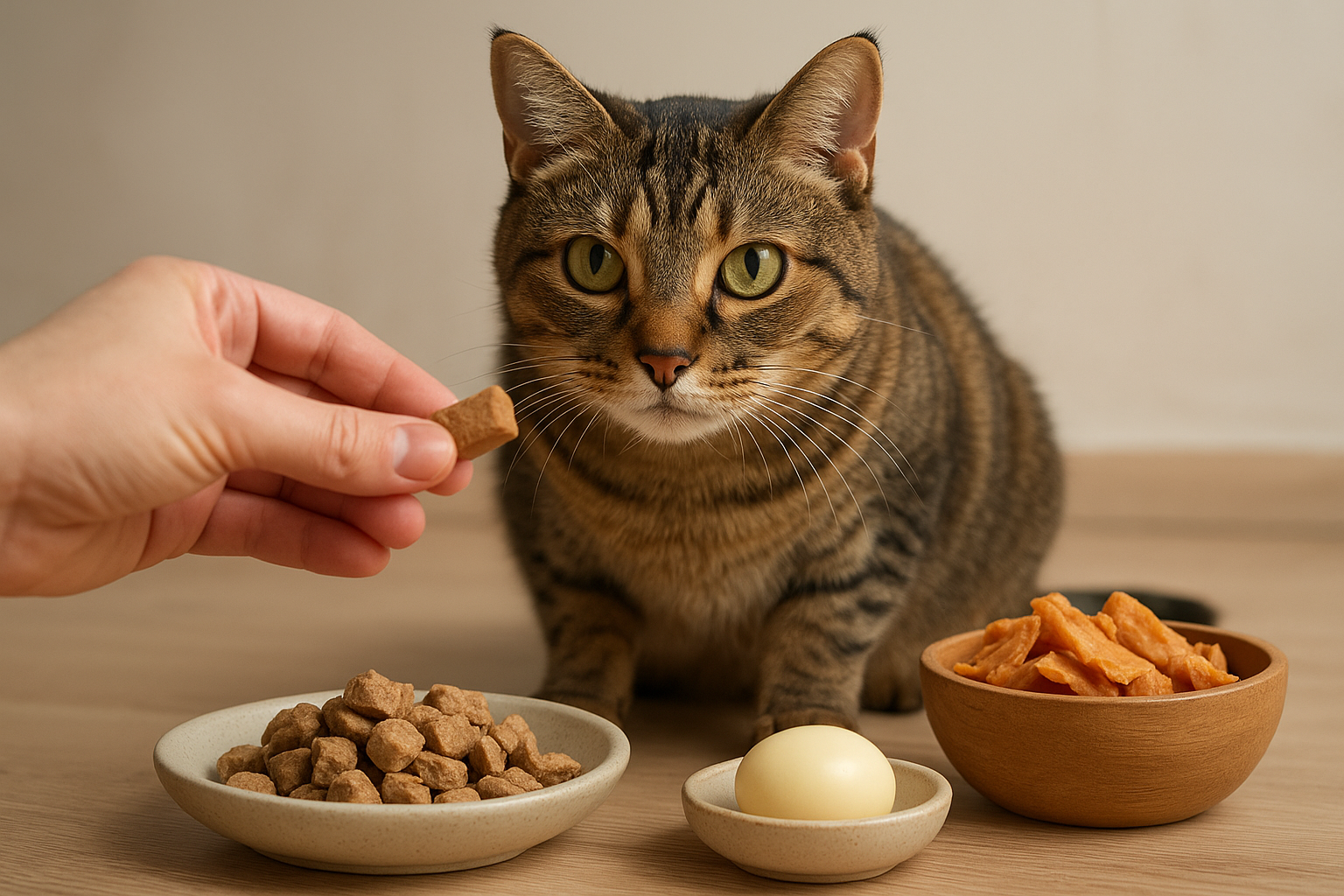

Managing Feline Diabetes with Low-Sugar, High-Protein Treat Options
Feline diabetes can be a challenging condition for both cats and their owners. Understanding how to manage this condition, especially through diet, is essential. Offering low-sugar, high-protein treats can help keep your cat healthy and satisfied.
Why This Topic Matters for Pet Parents
Diabetes in cats is growing more common. Learning how to manage this condition is important for pet parents. Understanding diet is key to controlling blood sugar levels and improving overall health.
Key Insights
- Feline diabetes occurs when a cat’s body cannot produce enough insulin.
- Diet plays a major role in managing diabetes.
- Low-sugar treats help prevent blood sugar spikes.
- High-protein treats support muscle health and energy.
- Regular vet check-ups are essential for monitoring diabetes.
Expert Tips
Here are some expert recommendations to help you manage your cat’s diabetes:
- Consult your vet: Always talk to your veterinarian before changing your cat’s diet.
- Choose quality treats: Look for treats that are specifically designed for diabetic cats.
- Read labels: Ensure that treats are low in carbohydrates and sugars.
- Monitor portion sizes: Even healthy treats can lead to weight gain if overfed.
- Stay consistent: Keep a regular feeding schedule to help regulate your cat’s sugar levels.
Best Products or Treat Types
Here are some great options for low-sugar, high-protein treats:
- Freeze-dried meats: They are pure meat with no added sugars, making them a perfect protein-rich treat.
- Fish-based treats: Look for tuna or salmon treats that are low in carbohydrates.
- Homemade chicken jerky: Simply make dehydrated chicken strips for a tasty and healthy snack.
- Dried liver:** High in protein and packed with nutrients, dried liver is a nutritious choice.
- Egg-based treats: Cooked eggs or treats made from egg protein can be a great source of nutrition.
Common Mistakes to Avoid
Here are some common pitfalls to steer clear of:
- Ignoring ingredient labels: Don’t overlook hidden sugars in treats.
- Overfeeding treats: Treats should only make up a small portion of your cat’s overall diet.
- Inconsistent feeding times: Irregular meal times can affect blood sugar levels.
- Skipping vet appointments: Regular veterinary visits are crucial for monitoring your cat’s health.
- Not adjusting serving sizes: When adding treats, ensure you adjust the main meals accordingly.
FAQs
- How can I tell if my cat has diabetes?
- Symptoms include increased thirst, frequent urination, weight loss, and lethargy. Consult your vet for a proper diagnosis.
- Can my diabetic cat eat regular cat treats?
- No, regular treats are often high in sugar and carbohydrates. Choose low-sugar, high-protein options instead.
- Are there any human foods safe for diabetic cats?
- Some cooked meats like chicken or turkey can be safe, but avoid any processed human foods.
- What should be the main part of a diabetic cat’s diet?
- A diet rich in high protein and low in carbohydrates is best. Consult your vet for specific dietary recommendations.
- Can diabetes in cats be reversed?
- In some cases, diabetes can be managed or put into remission with appropriate diet and care, but it’s essential to work closely with your vet.
Conclusion
Managing feline diabetes with low-sugar, high-protein treats is a critical part of keeping your cat healthy. By understanding dietary needs and carefully selecting treats, you can help maintain your cat’s health and happiness. Always consult with your veterinarian to tailor the best diet plan for your furry friend.