

The Ultimate Guide to Safe Human Foods as Dog Treats (Vet-Checked List)
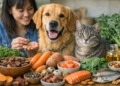
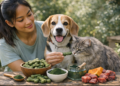
Every dog owner wants to give their furry friend the best, including tasty treats. But which human foods are safe for dogs? In this guide, we’ll explore vet-checked human foods that make great dog treats, ensuring your pup enjoys delicious snacks without any risks.
Why This Topic Matters for Pet Parents
Many pet parents want to spoil their dogs with treats. However, not all foods that are safe for humans are safe for dogs. Understanding which human foods are safe can help avoid serious health issues while boosting your dog’s nutrition. It’s essential for:
- Promoting better health and nutrition.
- Preventing potential food-related illnesses.
- Strengthening the bond between you and your dog through shared snacks.
Key Insights
Here are some key insights into safe human foods for dogs:
- Moderation is crucial; too much can lead to weight gain.
- Always wash fruits and vegetables before sharing with your pet.
- Some human foods are toxic to dogs, like grapes and chocolate.
- Introduce new foods slowly, observing your dog for any adverse reactions.
- Consult your vet if unsure about a specific food.
Expert Tips
Veterinarian-approved tips for sharing human foods with your dog:
- Start with small amounts: Introduce new foods gradually to avoid digestive upset.
- Prepare foods properly: Cook and chop foods like chicken or carrots to prevent choking.
- Avoid additives: Make sure that the human food does not contain seasonings like garlic and onion, which are harmful to dogs.
- Read labels: If you’re buying prepared foods, check for any harmful ingredients.
Best Products or Treat Types
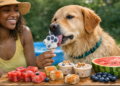
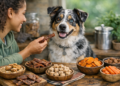
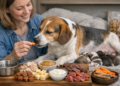
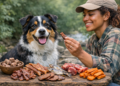
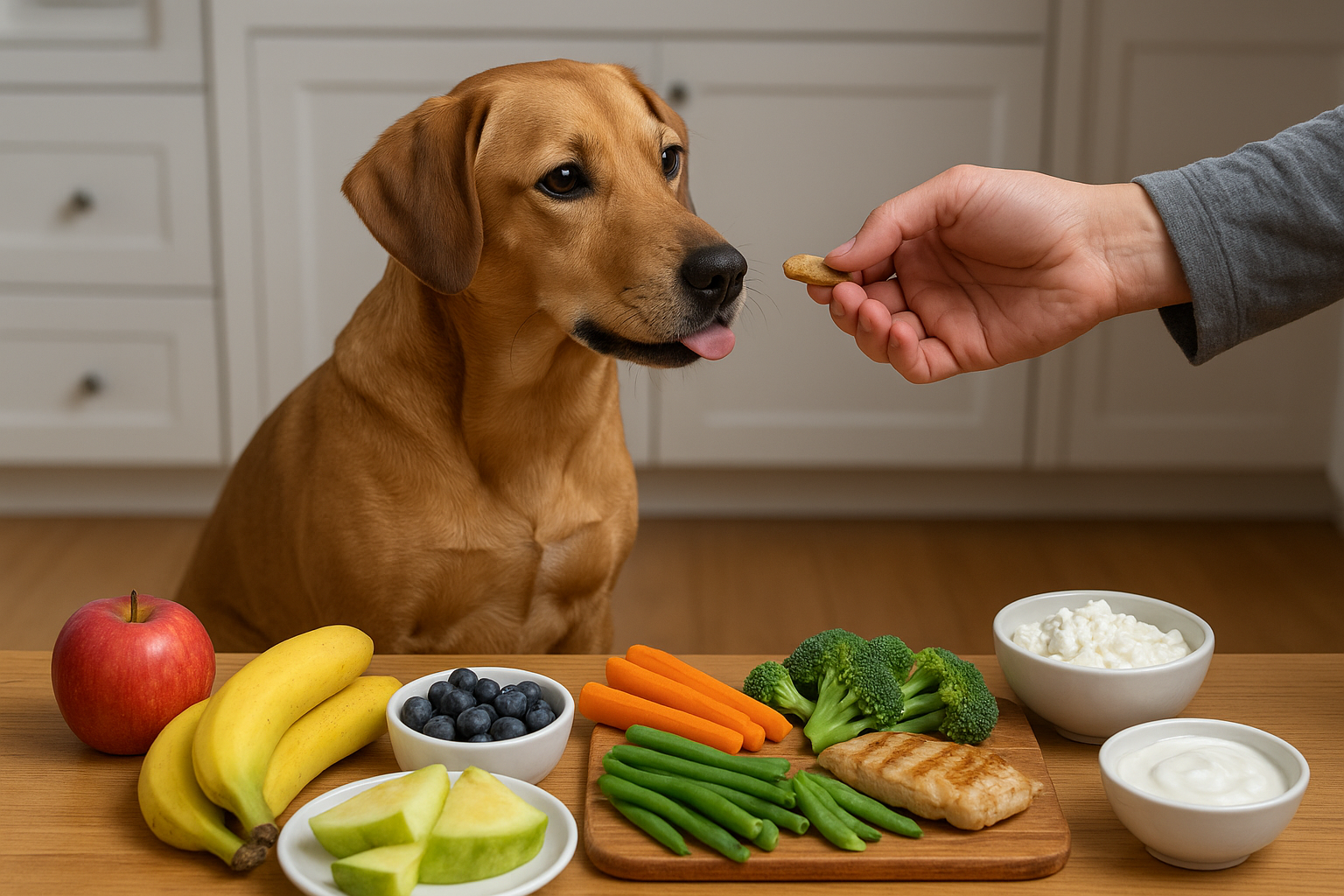
Here are some safe human foods that make excellent dog treats:
- Fruits:
- Apples (remove seeds)
- Blueberries
- Bananas (in moderation)
- Watermelon (seedless)
- Vegetables:
- Carrots
- Green beans
- Sweet potatoes (cooked)
- Peas
- Proteins:
- Cooked chicken (no bones or skin)
- Cooked turkey
- Fish (like salmon, with care for bones)
- Dairy (in moderation):
- Plain yogurt (unsweetened and unflavored)
- Cottage cheese
- Grains:
- Brown rice
- Oats (plain cooked)
Common Mistakes to Avoid
Watch out for these common pitfalls when feeding your dog human foods:
- Sharing foods that are toxic (e.g., chocolate, grapes, onions).
- Feeding treats too often can lead to obesity.
- Not preparing food properly (raw vegetables can cause choking).
- Ignoring allergies or sensitivities your dog may have.
- Forgetting to maintain a balanced diet—treats should only make up a small portion of daily intake.
FAQs
1. Can I give my dog peanut butter?
Yes, but make sure it does not contain xylitol, as this sweetener is toxic to dogs. Stick to natural, unsweetened peanut butter.
2. What human foods should I completely avoid?
Avoid grapes, raisins, chocolate, onions, garlic, and avocados. These foods can be toxic to dogs.

3. How many treats can I give my dog each day?
As a general rule, treats should not exceed 10% of your dog’s daily caloric intake. Check with your vet if unsure.
4. Can dogs eat dairy products?
Some dogs can handle dairy in small amounts, while others may be lactose intolerant. Introduce it gradually and watch for any digestive issues.
5. Are homemade treats healthier for dogs?
Homemade treats can be healthier since you control the ingredients. Ensure they are made with safe, healthy components.
6. How should I store human foods for my dog?
Store perishable items in the refrigerator and keep packaged items in a cool, dry place. Use within a reasonable timeframe to prevent spoilage.
Conclusion
Feeding your dog safe human foods can lead to healthy and tasty treat options. Always consult with your veterinarian if you’re unsure about a specific food’s safety. With this guide, you can confidently choose treats that will make your dog happy and healthy. Remember, moderation and safety are key!