

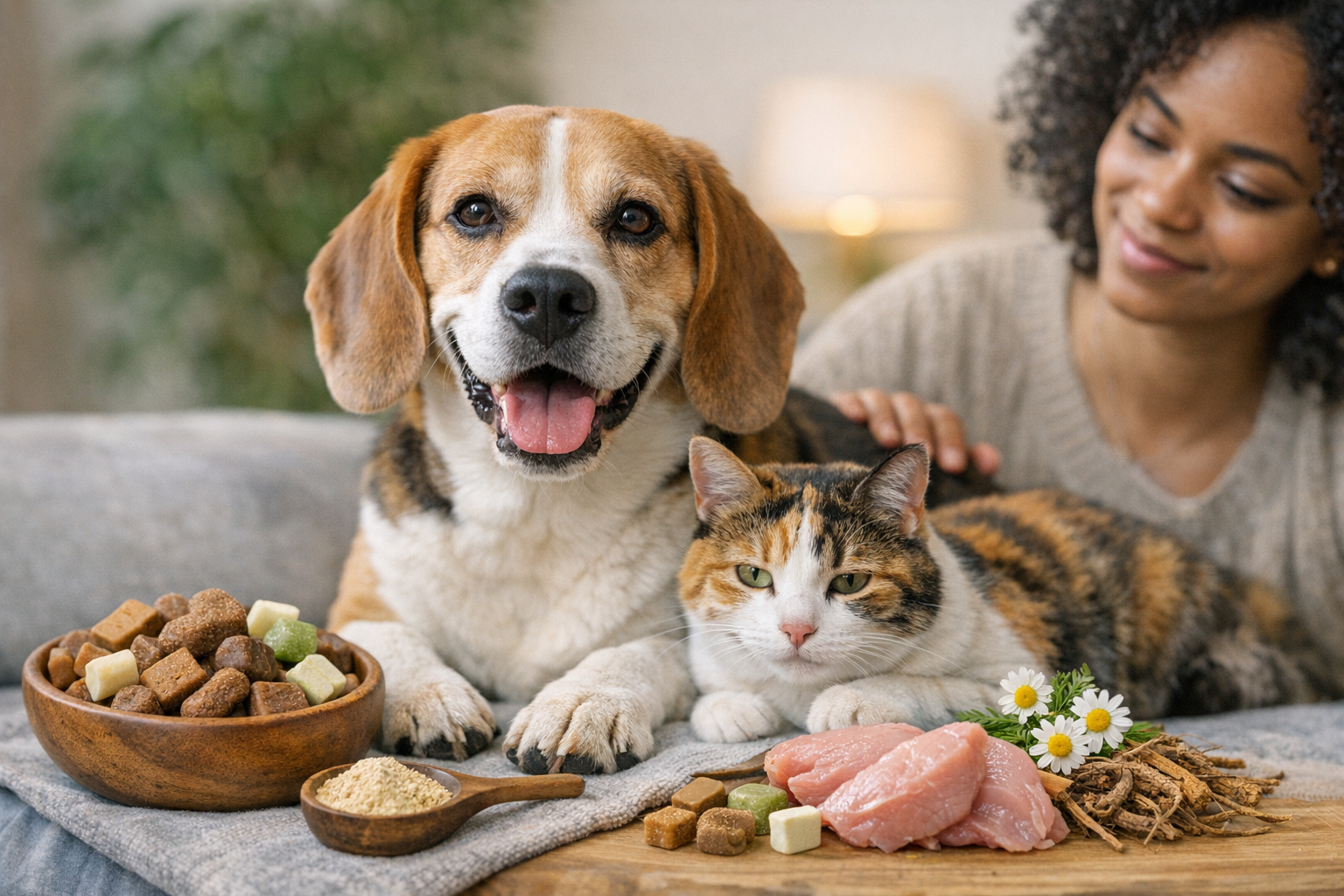
The Benefits of Tryptophan in Calming Pet Treats (Science Explained)
Tryptophan is an important amino acid that helps improve pet behavior and promotes relaxation. Many calming pet treats contain tryptophan to help reduce anxiety in dogs and cats. Understanding how tryptophan works can help pet parents choose the best calming solutions for their furry friends.
Why This Topic Matters for Pet Parents
Many pets experience anxiety from various sources, including loud noises, new environments, or even separation from their owners. This can lead to stress-related behaviors such as excessive barking, scratching, or hiding. Tryptophan, found in some calming pet treats, has been shown to help alleviate these issues. Learning about tryptophan can empower pet parents to make better choices for their pets’ mental health.
Key Insights
- Tryptophan is an amino acid: It is essential for the production of serotonin, a chemical that helps regulate mood.
- Serotonin and calming: Increased serotonin levels lead to improved mood and reduced anxiety in pets.
- Sources of tryptophan: Tryptophan can be found in many foods, such as turkey, fish, and certain grains.
- Effective at various ages: Calming treats can benefit pets of all ages, from puppies to seniors.
- Natural vs. synthetic: Many products utilize natural sources of tryptophan, making them a safer choice.
Expert Tips
Veterinarians recommend the following when considering tryptophan-based calming treats:
- Consult your vet: Always talk to your veterinarian before introducing new treats, especially if your pet has health issues.
- Choose high-quality brands: Look for treats from reputable manufacturers that list ingredients clearly.
- Start with small doses: Introduce the treat gradually to see how your pet reacts.
- Combine with other strategies: Use calming treats alongside other anxiety-reducing methods, like training and exercise.
- Monitor your pet: Observe your pet’s behavior and adjust the dosage or product if necessary.
Best Products or Treat Types
When looking for calming treats containing tryptophan, consider the following types:
- Soft chews: These are easy for pets to eat and often contain additional calming ingredients like chamomile or valerian root.
- Biscuit-style treats: Crunchy biscuits can be a fun way for pets to enjoy calming benefits, often infused with natural flavors.
- Powdered supplements: These can be sprinkled on food and often contain concentrated levels of tryptophan and other calming nutrients.
- Gummies: Some treats come in gummy form, appealing to pets who enjoy chewy options.
- Raw food mixes: Some raw pet food options include natural sources of tryptophan and are a good choice for holistic pet care.
Common Mistakes to Avoid
Here are some common errors that pet parents should avoid when using calming treats:
- Over-relying on treats: Treats should complement other anxiety-reducing strategies, not replace them.
- Ignoring dosage recommendations: Always follow the guidelines for the specific treat to avoid overconsumption.
- Not observing behavior: Failing to monitor changes in your pet’s behavior can lead to missed opportunities for adjustment.
- Choosing low-quality products: Cheaper treats may not have effective levels of active ingredients; invest in quality.
- Waiting too long for results: Calming treats may take time to work; give your pet a chance to adjust.
FAQs
1. What is tryptophan?
Tryptophan is an essential amino acid that helps produce serotonin, which regulates mood and anxiety.
2. How does tryptophan help with my pet’s anxiety?
Tryptophan increases serotonin levels in your pet’s brain, leading to a calmer demeanor and reduced anxiety.
3. Are tryptophan treats safe for all pets?
Most pets can safely consume tryptophan treats, but it’s best to consult your veterinarian first, especially if your pet has health issues.
4. How quickly do calming treats take effect?
Effects can vary, but many pets show a calmer disposition within 30 to 90 minutes after treatment.
5. Can I give my pet calming treats every day?
It may be suitable for some pets to receive daily calming treats, but always follow the recommended dosage and consult your vet.
6. What should I look for in calming treats?
Look for treats that feature clear labeling, high-quality ingredients, and check for additional calming components like valerian root or chamomile.
Conclusion
Tryptophan plays a significant role in helping to calm stressed pets. By choosing the right calming treats, you can provide your furry friends with relief from anxiety and improve their overall well-being. Remember to consult your veterinarian and monitor your pet’s behavior for best results. With the right approach, both you and your pet can enjoy a more peaceful environment.