
Best Treats for Dogs with Laryngeal Paralysis (Soft and Easy to Swallow)
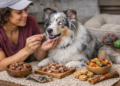
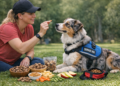
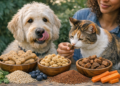
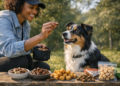
Finding the right treats for dogs with laryngeal paralysis can be challenging. These dogs often struggle with swallowing, so treats must be soft and easy to manage. In this article, we will explore why this topic matters, key insights, expert tips, and the best types of treats for your dog.
Why This Topic Matters for Pet Parents
Laryngeal paralysis is a condition that affects a dog’s ability to breathe properly. It can cause coughing, choking, and difficulty swallowing. Choosing the right treats can help maintain their quality of life. The wrong treats can worsen their condition, so knowing which ones are safe and suitable is essential.
Key Insights
- Laryngeal paralysis affects air flow, making swallowing difficult.
- Soft treats are often best because they are easier to chew and swallow.
- Always consult with your veterinarian before introducing new treats.
- Monitor your dog closely while eating to prevent choking risks.
Expert Tips
Veterinarians recommend the following when selecting treats for dogs with laryngeal paralysis:
- Soft Texture: Choose treats that are soft and moist. This makes them easier to chew and swallow.
- Small Size: Opt for smaller treats to minimize choking hazards.
- Natural Ingredients: Look for treats with few, natural ingredients. Avoid artificial additives that can upset your dog’s stomach.
- Hydration: Ensure your dog stays well-hydrated, as dehydration can worsen swallowing difficulty. Pair treats with plenty of water.
- Vet Approval: Always talk to your veterinarian about any new treats, especially if your dog has special dietary needs.
Best Products or Treat Types
When looking for treats, consider the following types that are generally safe for dogs with laryngeal paralysis:
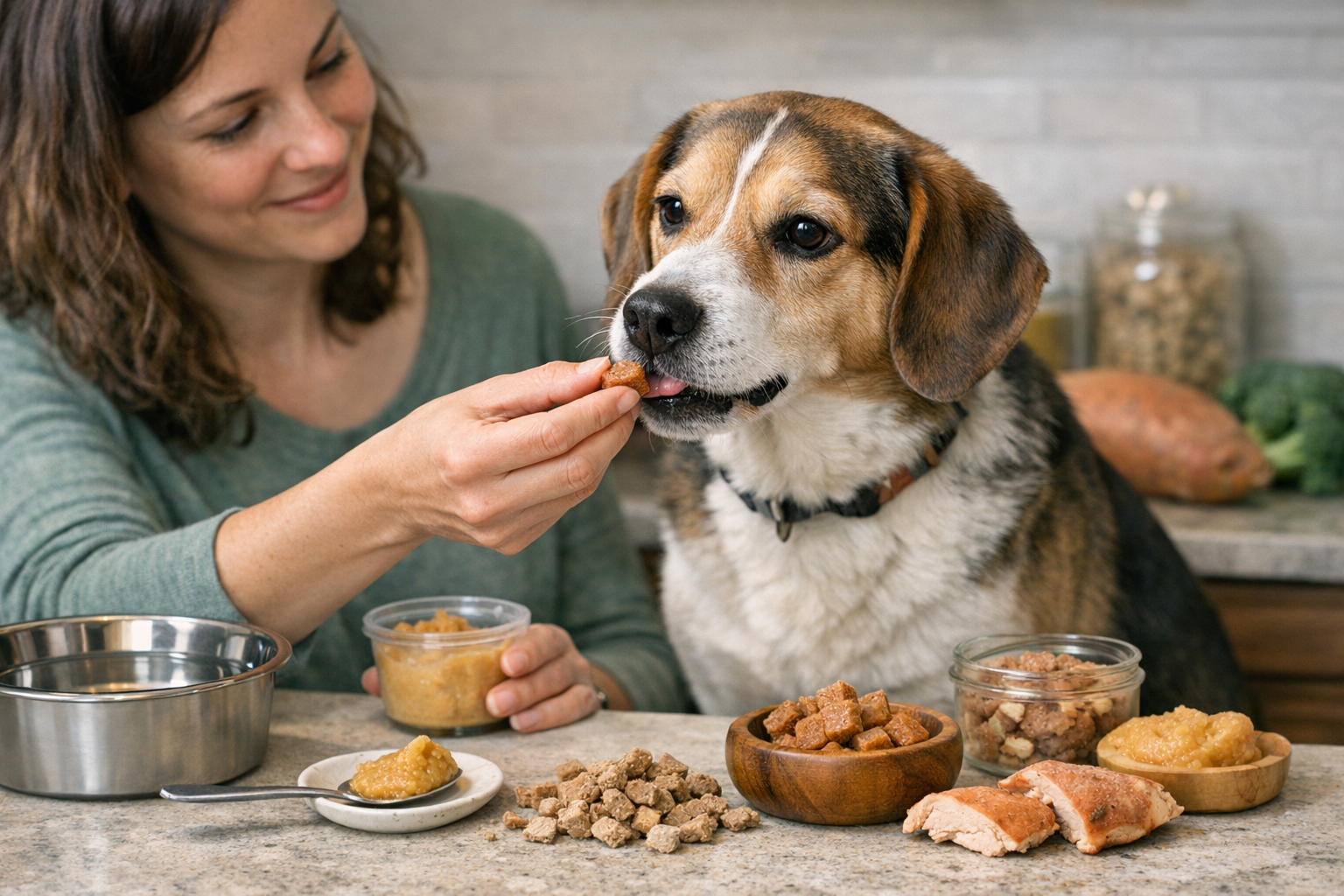
- Soft Chews: These are designed to be gentle on delicate throats and are easy to swallow.
- Puréed Treats: These can be offered in a syringe or as a spread. They are very easy to consume.
- Moist Dog Food: Sometimes, the class of dog food can double as soft treats. Choose high-quality brands with softer textures.
- Homemade Treats: Making treats at home allows you full control over the ingredients. Use simple, soft ingredients like pureed veggies or soft meats.
- Freeze-Dried Treats: Ensure these are soft and can easily be crumbled or hydrated for easier consumption.
Common Mistakes to Avoid
When choosing treats for dogs with laryngeal paralysis, avoid these common pitfalls:
- Ignoring Texture: Hard or crunchy treats can be dangerous for dogs with this condition.
- Neglecting Portion Control: Treats should be small and given in moderation to avoid overwhelming your dog.
- Skipping Vet Consultations: Always check with a veterinarian if you are uncertain about new treats.
- Avoiding Monitoring: Keep an eye on your dog while eating to catch potential choking incidents.
- Purchasing Without Reading Labels: Always check ingredient lists for allergens or harmful substances.
FAQs
1. Can I give my dog regular treats if they have laryngeal paralysis?
It’s best to avoid regular treats. Opt for soft, easy-to-swallow options instead.
2. How can I tell if a treat is safe for my dog?
Look for soft textures, natural ingredients, and consult your veterinarian for recommendations.
3. Should I limit how many treats I give my dog?
Yes, treats should be given in moderation. Follow your vet’s advice on portion sizes.
4. What are some homemade treat ideas for dogs with laryngeal paralysis?
You can make pureed sweet potatoes or chicken. Just ensure they are blended until soft.
5. Are there any specific ingredients I should avoid?
Yes, avoid artificial flavors, preservatives, and any allergens specific to your dog, such as wheat or soy.
6. How often can I give my dog treats?
Follow your veterinarian’s guidance, but generally, treats should not exceed 10% of your dog’s daily calorie intake.
Conclusion
Choosing the best treats for dogs with laryngeal paralysis requires care and consideration. Selecting soft, easy-to-swallow options can help your furry friend enjoy their snacks without discomfort. Always consult your veterinarian before making any changes to your dog’s diet, and remember to keep a close eye on how they handle their treats. By taking the time to ensure their health and safety, you can help your pup live a more comfortable and enjoyable life.