
Dealing with Possessiveness: Training Your Dog to Trade Items for a Treat
Possessiveness in dogs can be a common issue for pet parents. Teaching your dog to trade items for a treat can help manage this behavior and foster a positive bond between you and your furry friend. In this article, we’ll explore why addressing possessiveness is important, key insights into the training process, expert tips, and common mistakes to avoid.
Why This Topic Matters for Pet Parents
Understanding and managing possessiveness in dogs is crucial for several reasons:
- Ensures a safe environment for children and other pets.
- Reduces stress for both you and your dog.
- Encourages healthy social interactions with other dogs and people.
Key Insights
Here are some important points to keep in mind as you begin training your dog:
- Possessive behavior often arises from insecurity or fear.
- Trading can be effective in redirecting a dog’s focus away from the item they are possessive over.
- Positive reinforcement is key to successful training.
- Consistency in training routines is vital for long-term behavior change.
Expert Tips
Veterinarians and dog trainers offer practical advice for dealing with possessiveness:
- Start with Low-Value Items: Begin by using items your dog doesn’t see as highly valuable. This can be a toy that’s not their favorite or an object they rarely interact with.
- Use High-Value Treats: Use treats that your dog loves, like freeze-dried meat or a soft, chewy treat. This makes trading more appealing for them.
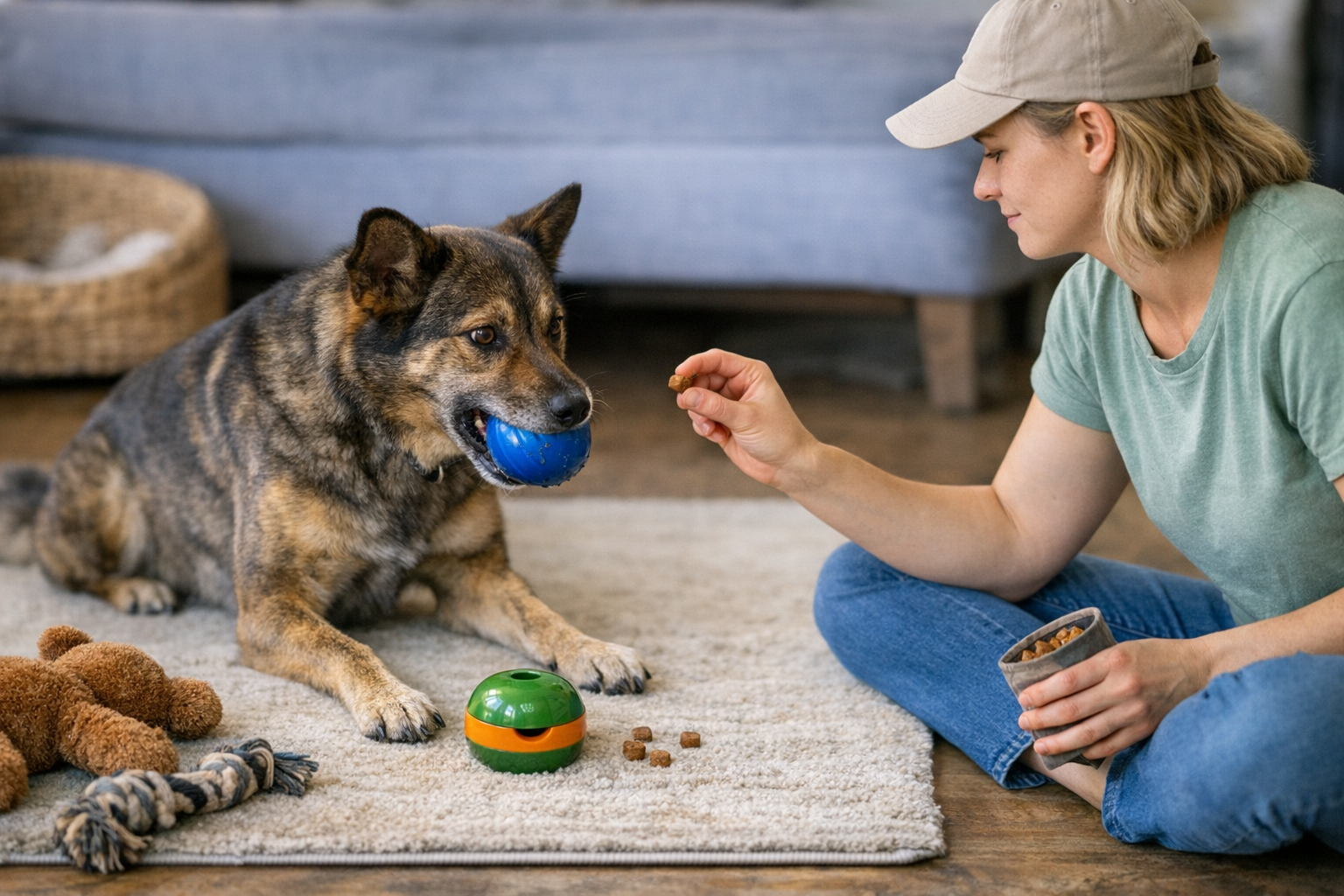
- Teach the “Trade” Command: When your dog has the item, say a command like “trade” and present the treat. When they drop the item, praise them and give the treat instantly.
- Practice Regularly: Consistent practice will help your dog understand that trading leads to something good. Set aside time daily to work on this skill.
- Ensure a Calm Environment: Remove distractions and keep training sessions short and focused to maintain your dog’s attention.
Best Products or Treat Types
When choosing treats to use in training, consider the following options:
- Soft Chewy Treats: These are easy for your dog to digest and quickly rewarding.
- High-Value Protein Sources: Treats made from chicken, beef, or fish are often irresistible to dogs.
- Interactive Toys: Toys that dispense treats can help redirect possessiveness toward play.
- Fresh Veggies: Some dogs enjoy crunchy veggies like carrot sticks or green beans as a healthy treat option.
Common Mistakes to Avoid
Here are several pitfalls to watch out for during training:
- Using Items That Are Too Valuable: Don’t start with items your dog is overly attached to, as it can escalate possessiveness.
- Impatience: Training takes time. Be patient and allow your dog to learn at their own pace.
- Forgetting Consistency: Inconsistent habits can confuse your dog and hinder their learning.
- Using Negative Reinforcement: Avoid scolding or punishing your dog for possessiveness. It can create fear and worsen the issue.
FAQs
1. How long does it take to train my dog to trade items?
Training time varies. Some dogs may learn quickly, while others may take weeks. Consistent practice is key.
2. Can I train an older dog the same way?
Yes! While it may take longer, older dogs can learn new behaviors just like puppies.
3. What should I do if my dog won’t drop the item?
Try using treats to get their attention or wait until they’re distracted before attempting to trade.
4. Is it safe to take items from my dog?
It’s generally safe if done correctly. Just ensure you’re training them to understand that giving up an item results in something positive.
5. Should I intervene if my dog is possessive with other pets?
Yes, it’s essential to prevent conflict between pets and help your dog learn to trade or share items positively.
Conclusion
Dealing with possessiveness in dogs can be challenging, but training them to trade items for treats can lead to better behaviors. By using positive reinforcement, practicing patience, and avoiding common mistakes, you can help your dog feel more secure and less protective over their belongings. Remember, a calm and loving approach is the most effective way to build trust and strengthen your bond with your canine companion.