
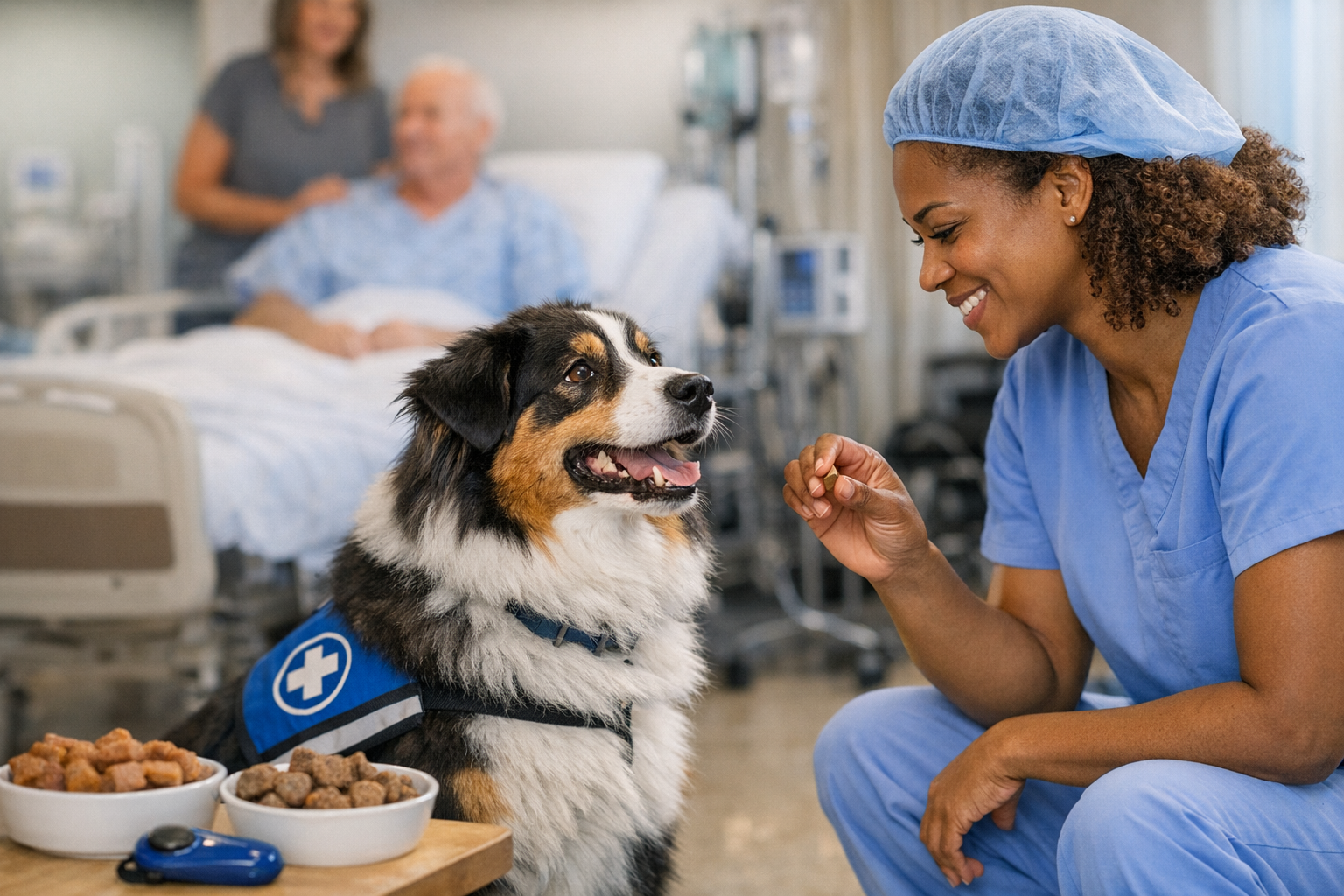
Using Treats to Train Dogs for Therapy Work and Hospital Visits
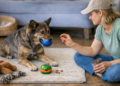
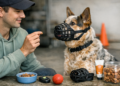
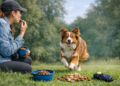
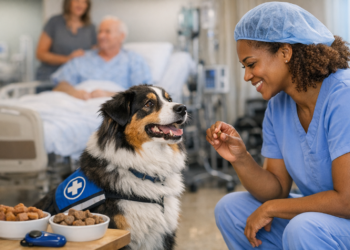
Training dogs for therapy work or hospital visits can be rewarding. Using treats can make this process easier and more enjoyable for both the dog and the handler. This article will guide you through the importance of treats in training and how to choose the right ones for your furry friend.
Why This Topic Matters for Pet Parents
As a pet parent, you want your dog to be well-behaved and happy, especially in sensitive environments like hospitals and therapy settings. Understanding how to use treats effectively can help your dog learn faster and feel more comfortable during visits. Here are some reasons why this topic matters:
- Promotes positive behavior in dogs.
- Helps reduce anxiety in both dogs and patients.
- Improves bond between the dog and owner.
Key Insights
Here are some essential insights to consider:
- The right treats can motivate your dog to learn new behaviors.
- Training with treats can create a positive experience for your dog.
- Short training sessions are more effective than long ones.
- Consistency and positive reinforcement are key to successful training.
Expert Tips
To effectively use treats in training, consider these veterinarian-style recommendations:
- Choose High-Value Treats: Use treats that your dog loves. They should be special enough to motivate your dog during training.
- Size Matters: Treats should be small to prevent overfeeding. This also allows for frequent rewards during training sessions.
- Timing is Everything: Reward your dog immediately after they perform the desired behavior. This helps them associate the action with the treat.
- Gradually Reduce Treats: As your dog learns, gradually decrease the number of treats used and reinforce with praise.
- Practice in Different Environments: Train in various settings to help your dog generalize behaviors, especially in places they will visit like hospitals.
Best Products or Treat Types
Here are some types of dog treats that work great for training in therapy work:
- Soft, Chewy Treats: These are easy to chew and swallow, making them ideal for quick rewards.
- Treats with Low Calories: Look for low-calorie options to prevent weight gain during training.
- Freeze-Dried Meat: These are often irresistible to dogs and packed with protein.
- Homemade Treats: You can control the ingredients and make them healthy and tasty for your dog.
- Training Clickers: While not a treat, they can enhance your training by marking desired behaviors before rewarding with treats.
Common Mistakes to Avoid
When using treats for training, avoid these mistakes:
- Using Irrelevant Treats: Don’t use treats your dog doesn’t care for. It’ll lead to ineffective training sessions.
- Overdoing It: Too many treats can lead to weight gain. Always factor treats into your dog’s daily food intake.
- Inconsistency: Don’t change your training commands or rewards. Consistency is crucial for your dog to learn.
- Neglecting Praise: Don’t rely solely on treats. Use vocal praise and petting to reinforce good behavior.
FAQs
- How long should training sessions be? Keep sessions short, around 5-10 minutes, to keep your dog engaged.
- Can I use my dog’s regular food as treats? Yes, as long as the portions are small enough to reward them appropriately.
- What if my dog isn’t food motivated? Try using toys or praise as rewards instead of treats.
- How do I know if a treat is high-value? If your dog is more excited about it than their regular food, it’s high-value.
- Can I train my dog without treats? Yes, but using treats can speed up the learning process.
Conclusion
Using treats to train dogs for therapy work and hospital visits can be effective and enjoyable for both you and your furry friend. By choosing the right treats, avoiding common mistakes, and following expert tips, you can help your dog become a well-trained therapy companion. Make sure your training sessions are consistent and positive, and soon your dog will be ready to bring joy and comfort to those in need.