
The ‘High-Value Treat’ Hierarchy: What Motivates Your Dog Most?
Understanding what motivates your dog can greatly improve training and reward strategies. High-value treats can increase your dog’s enthusiasm, making training sessions more productive. In this article, we’ll explore what high-value treats are, how to choose them, and why they’re important for your dog’s behavior.
Why This Topic Matters for Pet Parents
Choosing the right treat is essential for effective training. High-value treats can:
- Enhance a dog’s learning experience
- Encourage positive behavior
- Strengthen the human-animal bond
By understanding what treats your dog loves most, you can elevate training sessions and improve communication with your furry friend.
Key Insights
Here are some insights into high-value treats:
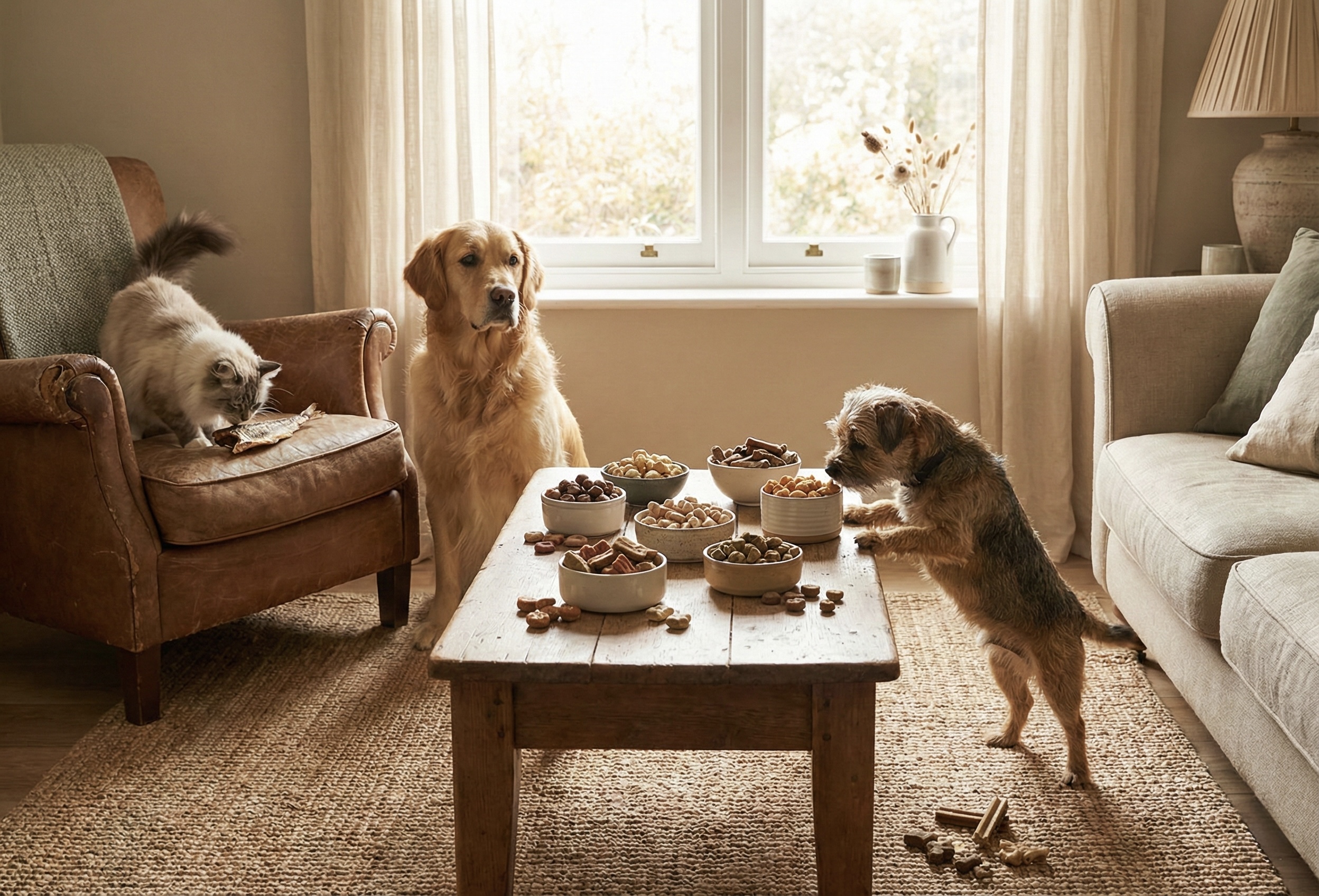
- High-Value vs. Low-Value Treats: High-value treats are often more tempting than regular food or low-value options like kibble.
- Different Dogs, Different Tastes: Each dog has unique preferences. What motivates one dog might not appeal to another.
- Use in Training: Save high-value treats for important commands or challenging training sessions to keep your dog engaged.
- Ingredients Matter: Treats made with high-quality ingredients often have a stronger aroma and flavor.
Expert Tips
To choose the best high-value treats for your dog, consider these veterinarian-style recommendations:
- Know Your Dog’s Preferences: Pay attention to what treats excite your dog the most. Experiment with different tastes and textures.
- Monitor Treat Size: Keep treats small to avoid overfeeding, especially during training. You want to reward frequently without filling them up.
- Use Treats Sparingly: Reserve high-value treats for special occasions to maintain their desirability.
- Read Labels: Choose treats with natural ingredients and without artificial additives. Look for meat, vegetables, or whole grains.
Best Products or Treat Types
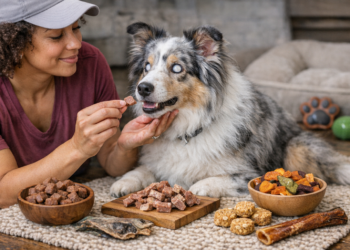
While specific brands may vary, here are some types of high-value treats that are generally well-received by dogs:
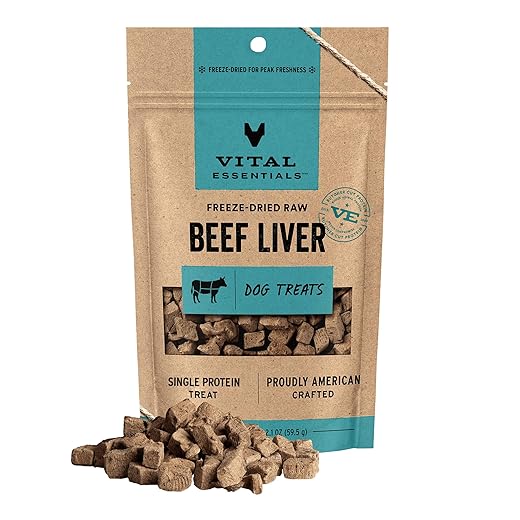
- Freeze-Dried Liver: Rich in nutrients and often irresistible to dogs.
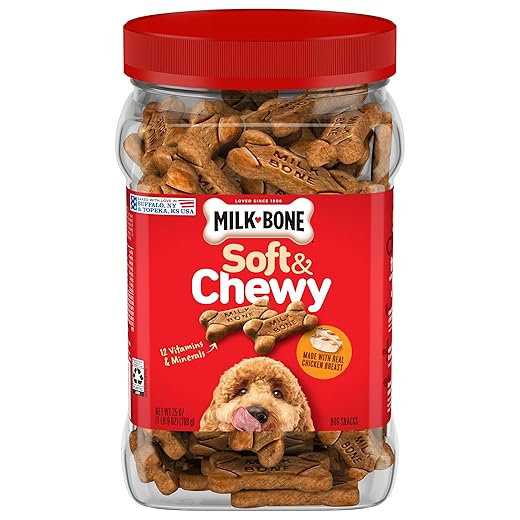
- Soft and Chewy Treats: These are easy to consume quickly, making them effective during training.
- Peanut Butter Treats: Dogs usually love the taste of peanut butter, making it a high-value option.
- Low-Fat Cheese: Small pieces of cheese can be an excellent motivator for many dogs.
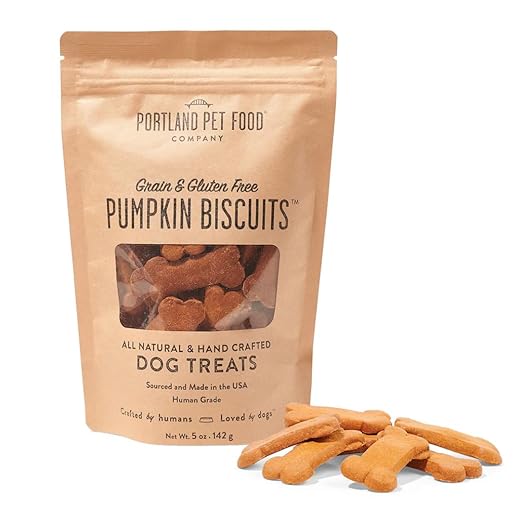
- Homemade Treats: Make your own using simple ingredients like pumpkin and oats to customize flavors.
Common Mistakes to Avoid
Here are some pitfalls to watch out for when choosing or using treats:
- Using High-Calorie Treats Too Often: Frequent use can lead to obesity. Balance treat intake with regular meals.
- Ignoring Allergies: Be aware of any food sensitivities your dog may have before introducing new treats.
- Overlooking Training Context: Using the same treats for regular feeding and training can reduce their allure.
- Giving Too Many Large Treats: This can distract your dog and reduce the effectiveness of positive reinforcement.
FAQs
- What is a high-value treat? A high-value treat is a reward that your dog finds particularly enticing, often more appealing than regular food.
- How can I find out what treats my dog loves most? Start with a variety of treats and observe your dog’s response. Take note of what they get excited about.
- Can I use regular dog food as a treat? Yes, but it may not be as motivating as high-value options. Use it in combination with other treats for training.
- How often should I give treats in training? Use treats frequently during the initial phases of training, but gradually reduce the frequency as your dog learns.
- Are homemade treats as effective? Yes, homemade treats can be very effective. Just ensure they are safe and appealing to your dog.
Conclusion
Understanding the ‘high-value treat’ hierarchy is crucial for effective training and behavioral reinforcement. By recognizing your dog’s preferences and integrating high-value treats thoughtfully, you can improve your training sessions and deepen your bond with your pet. Remember to choose quality ingredients, use treats strategically, and be mindful of your dog’s health. With these insights, you’ll be well on your way to motivating your furry friend like a pro!