

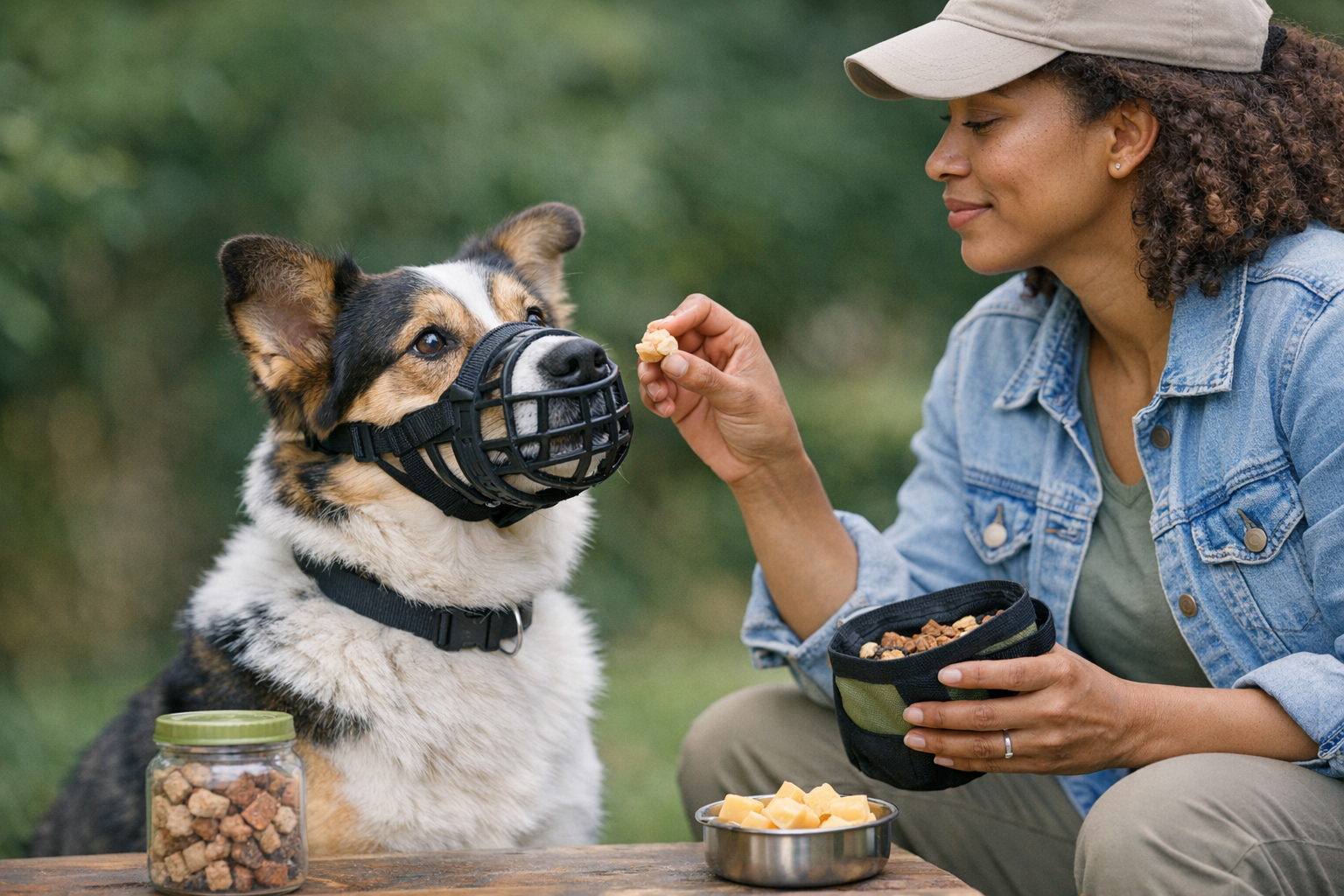
How to Train Your Dog to Wear Muzzle (Using High-Value Treats)
Training your dog to wear a muzzle can seem challenging, but with the right approach, it can be simple and rewarding. Using high-value treats can make the process more enjoyable for both you and your furry friend. In this guide, we’ll explore effective training techniques tailored for your pet.
Why This Topic Matters for Pet Parents
Understanding how to train your dog to wear a muzzle is important for safety and peace of mind. A muzzle can help in various situations, including:
- Veterinary visits
- Grooming appointments
- Interactions with other dogs or people
Knowing how to properly introduce a muzzle can prevent stress for your dog and help you manage their behavior in potentially overwhelming situations.
Key Insights
- Positive reinforcement is essential in training.
- Start slowly and allow your dog to explore the muzzle at their pace.
- Use high-value treats to increase your dog’s motivation.
- Be patient and consistent during the training process.
- Practice makes perfect; short sessions are more effective than long ones.
Expert Tips
Veterinarians recommend the following strategies for muzzle training:
- Choose the Right Muzzle: Use a soft basket muzzle that allows your dog to pant and drink.
- Desensitize Gradually: Introduce the muzzle slowly—start with just letting them sniff it.
- Use Treats Liberally: Reward your dog each time they interact positively with the muzzle.
- Practice Regularly: Aim for daily training sessions, even if they’re only a few minutes long.
- Stay Calm: Your energy affects your dog. Stay relaxed to help your dog feel more comfortable.
Best Products or Treat Types
When training your dog to wear a muzzle, the type of treats you use makes a big difference. Here are some great options:
- Soft Training Treats: These are small and easy to chew, making them ideal for frequent rewards.
- High-Value Protein Treats: Items like chicken or turkey can be more motivating for picky eaters.
- Freeze-Dried Meat: This option is super tasty and great for keeping your dog’s interest.
- Cheese or Peanut Butter: Many dogs love these, and they can make training sessions extra special.
Common Mistakes to Avoid
Training can take time, and it’s easy to make mistakes along the way. Here are some common pitfalls to watch out for:
- Rushing the Process: Trying to rush can create fear and anxiety.
- Punishing Bad Behavior: Focus on positive reinforcement instead of negative reactions.
- Neglecting to Practice: Infrequent training can slow progress.
- Choosing the Wrong Muzzle: Make sure it fits well and suits your dog’s breed.
FAQs
1. Can all dogs wear muzzles?
Most dogs can be trained to wear a muzzle, but it’s important to choose the right type for their size and temperament.
2. How long should training sessions be?
Keep sessions short—around 5 to 10 minutes—to maintain your dog’s interest and focus.
3. What if my dog refuses to wear the muzzle?
Go back to earlier steps in the training process, and try introducing the muzzle more gradually with lots of treats.
4. Is it okay to leave the muzzle on for long periods?
No, muzzles should not be left on for long periods. Only use them during specific situations where necessary.
5. How can I ensure my dog is comfortable wearing a muzzle?
Make sure your dog associates the muzzle with positive experiences by always rewarding them when they wear it.
6. Should I muzzle my dog if they show aggression?
If your dog shows aggression, consult with a professional trainer or veterinarian for tailored advice before using a muzzle.
Conclusion
Training your dog to wear a muzzle doesn’t have to be daunting. With patience, consistency, and the right high-value treats, you can help your dog feel comfortable and secure. You’ll both gain confidence during visits to the vet, grooming appointments, and interactions with other pets. Remember, every dog is unique, so adapt your training approach to fit your furry friend’s needs. Happy training!